
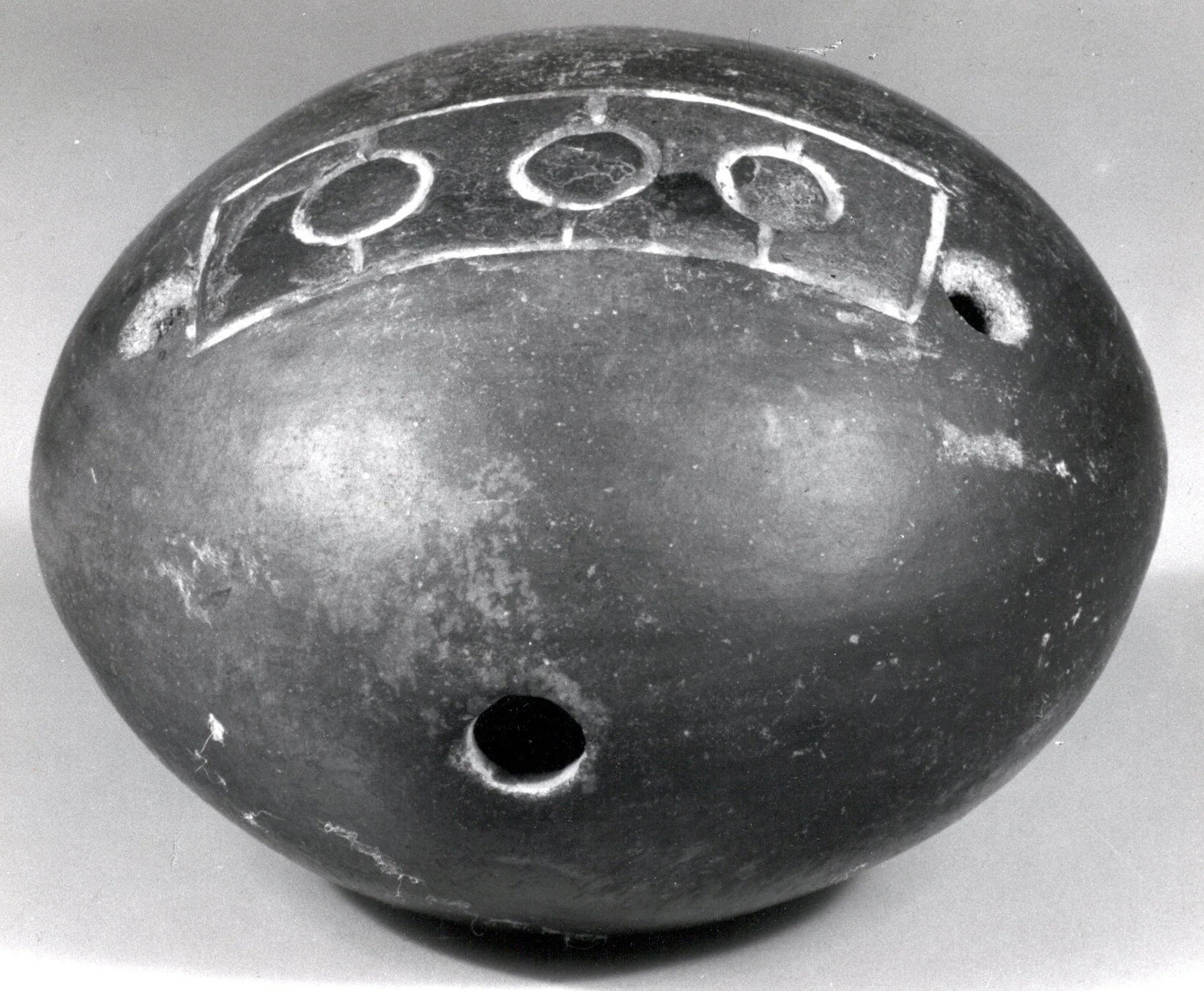

This article clearly explains the differences between two wind instruments that the general public often associates with one another.
Their tone, playing technique, and construction give them very different sonic identities. We explain why each instrument deserves individual attention.
This short guide is intended for beginners and curious musicians. It provides simple criteria for choosing an instrument that suits your artistic goals.
By browsing our articles, you will find practical examples and ways to explore the subject further. To learn about the history of certain instrument families, consult a technical overview of the zampoña and other traditional models in this instrument guide.
The following sections examine ergonomics, sound, and contemporary uses so that every reader can recognize and appreciate each instrument on its own merits.
Ocarina vs. pan flute: do not confuse these two instruments
A simple comparison shows how design influences sound and handling. Both belong to the family of wind instruments and have a free mouthpiece, but their construction shapes every note.
Their forms and playing techniques differ considerably. Their internal structures and the placement of their holes affect both tone and sound projection.
Unlike some other wind instruments, these ancestral models produce vibrations when the player blows directly across an open mouthpiece. Choosing between them often comes down to ergonomic preferences or an interest in the history associated with each instrument.
- Unique design: it influences the range and clarity of the sound.
- Technique: lip position and breath determine the attack.
- Use: each can be incorporated easily into daily practice, depending on the sound you want.
By examining these characteristics, this article helps musicians choose according to their comfort and musical goals.
Historical and cultural origins
From pre-Columbian America to Italian workshops, the history of these sounds has developed over many centuries.
Andean heritage: earthen flutes still accompany Inca ceremonies today. These multi-tubed and globular instruments were used in ritual music and strengthened community ties.
The flute’s heritage
In the 16th century, Hernán Cortés brought globular instruments back to Europe. These objects introduced musicians and craftspeople to new sounds.
The evolution of the ocarina
In the 19th century, Giuseppe Donati transformed the design by increasing the number of holes to ten, creating a 10-hole instrument. This innovation made it easier to play more complex chords in concerts and amateur practice.
- This development illustrates the meeting of cultures.
- A transition from rudimentary materials to more refined instruments.
- In March, historians and musicians often celebrate this diversity.
“Cultural exchanges broadened the range of available sounds and enriched European music.”
| Period | Region | Material | Key change |
|---|---|---|---|
| 16th century | Americas → Europe | Earthenware | Spread of globular instruments |
| 19th century | Italy | Clay / ceramic | Addition of 10 holes (Donati) |
| Modern era | Worldwide | Mixed materials | Design adapted for practice and performance |
Analysis of manufacturing materials
Analyzing the material used sheds light on the relationship between form and resonance.
A close examination shows that bamboo tubes remain the standard for the traditional pan flute. Their cutting and precise alignment determine the accuracy and purity of the notes.
The body of an ocarina is often made from terracotta. Over time, plastic and metal have also been introduced to improve durability.
A professional instrument may require up to 40 hours of workshop labor. This time is spent adjusting each pipe or cavity to produce the exact pitch.
- A globular design for the ocarina and aligned tubes for the pan flute.
- Modern ocarinas combine several materials for greater durability.
- Airflow varies: an open tube and a hollow body create different types of resonance.
This analysis shows that form and material directly influence tone and longevity. Your choice depends on the desired sound, weight, and maintenance requirements.
Differences in design and shape
An instrument’s silhouette immediately reveals how it is played.
The designs reflect two contrasting approaches: one relies on aligned tubes, while the other uses a compact, globular body.
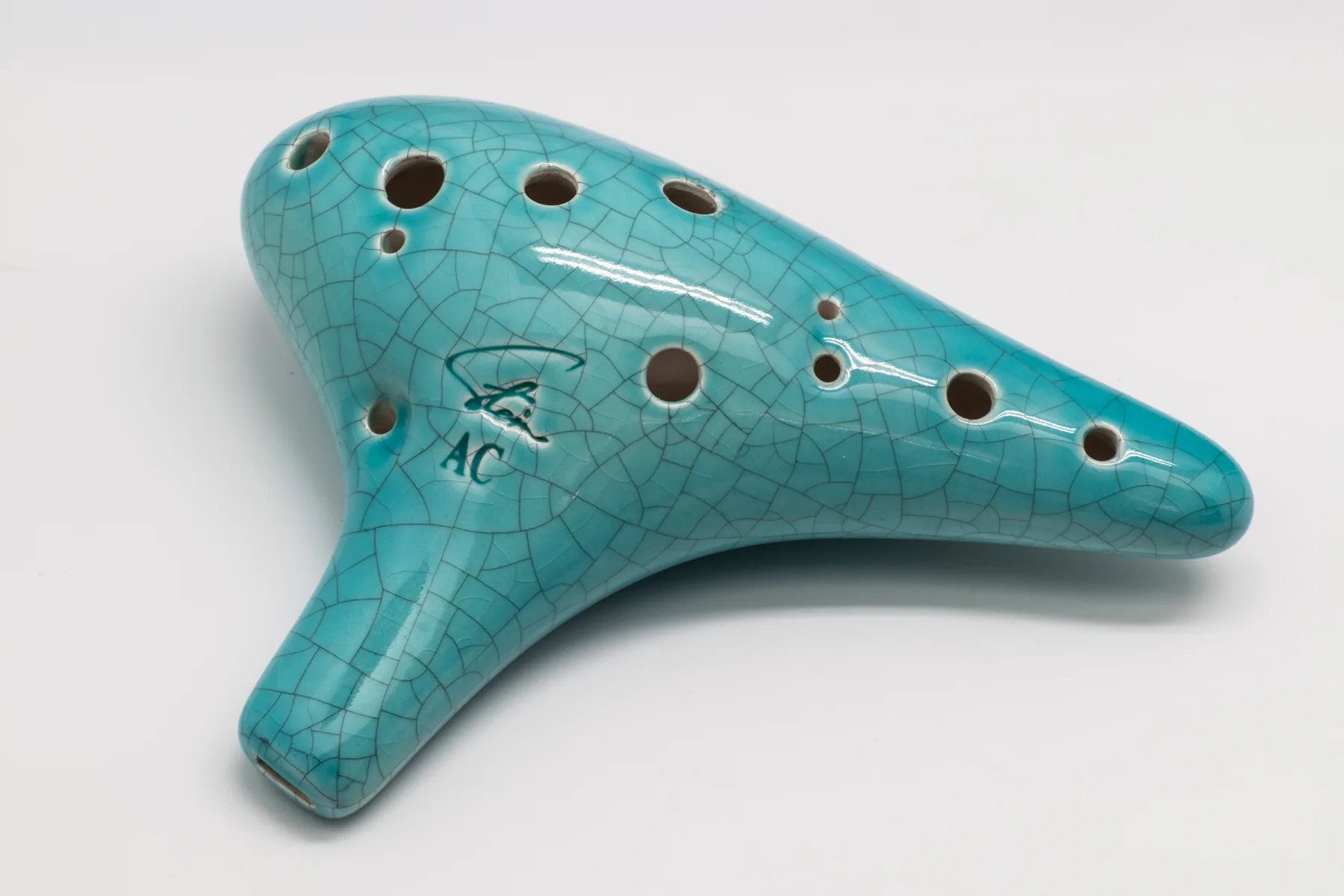
The shape determines hand position and how the holes are covered. A suitable grip improves dexterity and playing speed.
- Size and portability: the compact instrument is easier to carry.
- Mechanics: the tubes allow smooth lateral movement during fast passages.
- Ergonomics: the globular body provides an intuitive and often distinctive grip.
| Feature | Tubular instrument | Globular instrument | Impact |
|---|---|---|---|
| Design | Aligned tubes | Single-piece body | Determines playing movements and sound projection |
| Grip | Hands positioned laterally | Palm grip | Influences speed and comfort |
| Size / range | Variable and often modular | Compact and often fixed | Changes the range and portability |
Sound and acoustic characteristics
Analysis and attentive listening reveal sharply contrasting sound profiles. A study by the Paris Acoustics Laboratory indicates that the pan flute covers approximately three times as many frequencies as a globular body. This finding helps explain the difference in their tonal palettes.
Tone and resonance
Each note of the ocarina resonates with an intimate softness. A pipe, by contrast, produces brighter and more piercing sounds.
Breath control remains crucial for staying in tune and producing effects such as vibrato. The pipe generates complex harmonics that enrich the perceived sound.
Range and compass
The pan flute’s range can reach high notes that are valued in concert performance. The siku’s double row, known as ira and arka, offers considerable versatility.
- Analysis: an extended frequency spectrum for the pan flute.
- Notes: softness and intimacy for the ocarina.
- Effects: breath transforms air into varied melodies.
“Mastering the breath is the key to transforming air into captivating sounds.”
| Characteristic | Globular body | Pipe / row |
|---|---|---|
| Spectrum | Narrow and focused | Broad and rich in harmonics |
| Register | Moderate | Extended, reaching high notes |
| Use | Intimate and melodic | Concerts and bright textures |
Breathing methods and playing techniques
Mastering your breath transforms a movement into a precise melody.
For the tubular flute, the player must direct air tangentially across the mouthpiece. This technique produces clear, stable sounds.
On the ocarina, coordination between fingering and air pressure is essential. A slight variation in pressure changes the pitch and intensity of the sound.
Moving the chin creates expressive vibrato. This small gesture controls modulation and adds depth to melodies.
Each instrument requires a particular approach to breath management. Note duration and dynamics vary according to its shape and size.
- Glissandos: rapid hand movements across the tubes create smooth transitions.
- Control: a steady airflow keeps notes in tune.
- Practice: breathing and fingering exercises support improvement.
| Technique | Action | Sound effect |
|---|---|---|
| Tangential airflow | Direct air across the mouthpiece | Clear sounds and projection |
| Air pressure | Vary the strength of the breath | Pitch and intensity |
| Chin movement | Small oscillations | Natural vibrato |
Learning curve for beginners
Learning a wind instrument often involves developing breath control and coordination. The early stages require careful listening and regular exercises.
Sixty-eight percent of teachers believe that the ocarina requires precise control of air pressure. This makes it more difficult to keep each note in tune.
Common technical challenges
The main obstacles for beginners are fingering and airflow management.
- Mastering notes: precision is needed to avoid playing out of tune.
- Learning time: approximately 6 months to learn the fundamentals of the ocarina, compared with a year for the pan flute.
- Breathing: teacher-recommended exercises help stabilize the sound.
Ocarinas require a refined playing technique. Air pressure directly influences the pitch of a note.
“Patience and repetition make all the difference when supported by regular practice and breathing exercises.”
| Aspect | Difficulty | Advice |
|---|---|---|
| Playing notes in tune | High | Slow exercises with a metronome |
| Coordinating fingers over the holes | Moderate | Practice scales daily |
| Breath control | High | Guided abdominal breathing |
Accessibility and market availability
Online sales have expanded the selection and made rare instruments easier to obtain.
Ocarinas remain relatively uncommon in physical stores. Many enthusiasts consult specialized articles to compare the available options.
A growing number of online shops offer varied selections of instruments for every budget.
Pan flutes are more commonly found in traditional music stores than high-end ocarinas. It is therefore important to compare prices and warranties.
Practical advice: read reviews, verify quality certifications, and favor sellers that provide reliable after-sales service in your country.
| Consideration | Typical situation | Tip |
|---|---|---|
| In-store availability | Limited for rare instruments | Search online and in specialist stores |
| Online selection | Broad, with variable prices | Compare the number of reviews and return policies |
| Value for money | Varies between sellers | Favor certifications and warranties |
Fragility and instrument care
Caring for an instrument begins with understanding its weak points.
Ceramic instruments are particularly fragile. A fall can crack the material and alter the sound.
Instruments made from tubes withstand impacts more effectively. However, sudden changes in air conditions and temperature may warp or split the tubes.
Regular maintenance prevents dust from accumulating. Clean the interior with soft cloths and suitable brushes.
- Protection: use a hard case to prevent damage while traveling.
- Material: plastic versions provide a durable alternative for beginners.
- Inspection: check the fit and size of the end pieces after every journey.
Ultimately, durability depends primarily on the quality of the materials and prompt repairs. Control your breathing and protect your wind instrument during transport so that you can continue playing with confidence.
Role in popular culture and video games
Video games introduced this instrument to an entire generation.
The Legend of Zelda: Ocarina of Time (1998) transformed perceptions of this small sound-making object. Koji Kondo’s soundtrack introduced millions of players to its distinctive notes and tones.
The phenomenon generated genuine enthusiasm, with worldwide sales reportedly rising by 400%. Melodies incorporated into the game’s audio effects enhance immersion and popularize the instrument’s use in sound design.
- Cultural impact: the instrument became a symbol in the worlds of gaming and music.
- On stage: video game music concerts highlight these tones to evoke nostalgia among fans.
- Celebrations: in March, the community often celebrates this development and shares cover performances.
“The union of gameplay and melody gave new life to a small, ancient instrument.”
Price comparison
Price differences reflect manufacturing complexity and sound quality.
An entry-level instrument remains affordable. A mid-range model often costs less than €100, making it accessible to beginners.
Double and triple ocarinas require a larger budget. Expect to pay between €150 and €400 for carefully made versions that offer better tuning and a wider range.
At the other end of the spectrum, a professional pan flute may cost several thousand euros. This price reflects the expertise required and the refinement of the materials.
- Compare prices before buying: quality and intended uses vary with cost.
- Budget for accessories and concert maintenance expenses: a case, cleaning cloth, adjustments, and repairs.
- Investing in a good instrument is a sensible choice for long-term progress.
| Range | Indicative price | Use |
|---|---|---|
| Entry level | < €100 | Learning |
| Mid-range (double / triple) | €150–€400 | Advanced practice |
| Professional range | Several thousand euros | Concert / professional performance |
“The best value for money depends on your musical goals and how often you play.”
Finally, always compare several offers. The right choice depends on your needs and the other instruments you play.
Advice for choosing your first instrument
Your first wind instrument should be chosen with ergonomics and playing enjoyment in mind.
Before buying, try several instruments in a store or workshop. Check whether the grip suits your hands and body, and assess how the instrument responds to your breath.
The ocarina is often recommended for its compact size and portability. It suits beginners looking for a light and simple instrument.
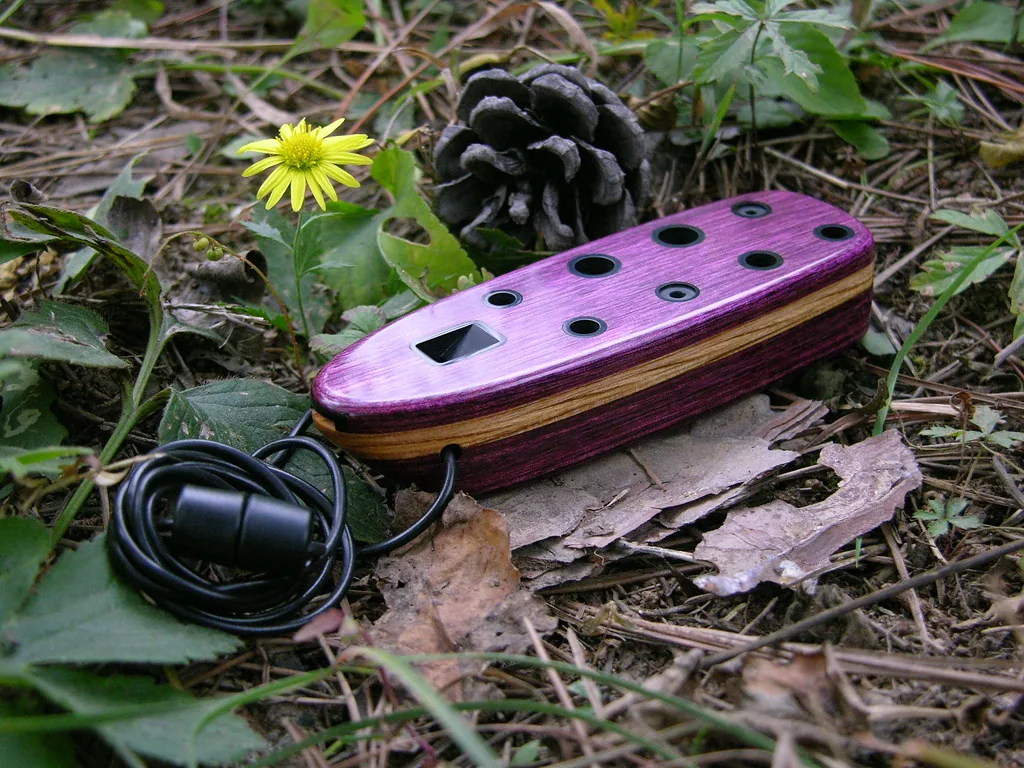
The pan flute appeals to players with its melodious sounds and versatility in ensemble performances. If you enjoy clear, bright melodic lines, try several instruments before deciding.
Consult several specialized articles to compare the advantages and limitations. You can also read a detailed overview in this guide to make a more informed choice.
- Try the instrument before buying to assess playing comfort.
- Consider transport and maintenance requirements.
- Ask experienced musicians for advice and lasting guidance.
| Criterion | Advantage | Best suited to |
|---|---|---|
| Handling | Comfort develops quickly | Beginners and young players |
| Sound color | Tones ranging from soft to bright | Soloists and ensembles |
| Portability | Compact format / easy transport | Travelers and enthusiasts |
The importance of regular practice
A short daily playing routine produces noticeable results within a few weeks. Regular practice is the key to improving on any instrument and developing your ear.
Teachers often recommend short but frequent sessions. A few minutes each day are more effective than one long session every month.
Perseverance helps players overcome technical difficulties. It strengthens muscle memory and makes complex fingering patterns on wind instruments easier to perform.
- Discipline: daily practice turns movements into habits.
- Progress: short exercises improve stamina and tuning.
- Motivation: simple goals maintain the desire to play.
“Consistency transforms effort into mastery, especially after several months of dedicated practice.”
Conclusion
To conclude, remember that each instrument has its own sonic personality and suits different musical goals.
In conclusion, this article has highlighted the essential differences between these instrument families. The choice comes down to ergonomics, tone, and the history behind their designs.
Each option has its own distinct charm. Your preference will depend on your musical goals and playing comfort. The final decision also depends on your commitment to regular practice.
Whichever you choose, learning to play is an enriching adventure that requires patience and passion. Explore, listen, and let the pleasure of making music guide you.