
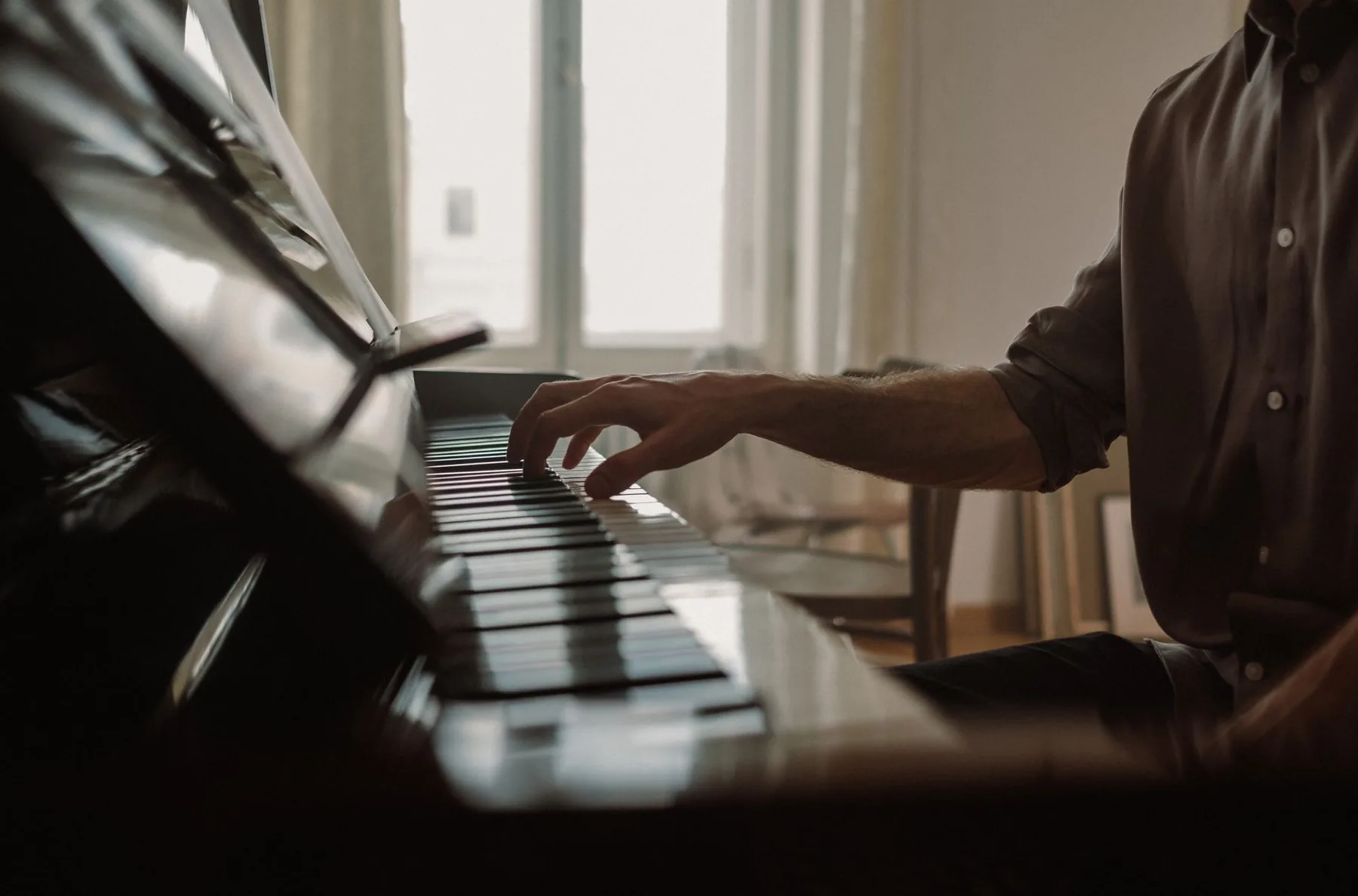
How has the piano evolved over time?
The piano has undergone a fascinating evolution over the centuries, progressing from rudimentary forms to true masterpieces of musical technology.
The earliest keyboard instruments, such as the clavichord and harpsichord, appeared during the Middle Ages. The clavichord allowed players to vary the volume according to the pressure applied to the keys, while the harpsichord produced sound by plucking its strings. However, these instruments had limitations, particularly in terms of dynamic range.
In 1700, Bartolomeo Cristofori, an Italian instrument maker, invented the pianoforte. This revolutionary instrument used hammers to strike the strings, making it possible to control the dynamics of the sound from piano (soft) to forte (loud). This innovation marked the beginning of the piano’s modern evolution.
During the 18th century, technical improvements were made to the pianoforte. Johann Andreas Stein and Sébastien Érard, for example, introduced innovations such as pedals and improved hammer mechanisms. These advances gave the instrument greater expressiveness and responsiveness.
The 19th century saw the rise of the Industrial Revolution, which enabled the mass production of pianos. Upright pianos became popular because of their compact size and lower cost. Leading composers of the period, including Beethoven and Chopin, helped popularize the instrument and expand its repertoire.
In the 20th century, innovations such as the cast-iron frame and cross-stringing improved the strength and sound quality of pianos. Digital and electronic pianos also emerged, offering new musical possibilities and greater accessibility.
In summary, the piano evolved from simple forms of stringed instruments into complex and versatile instruments, thanks to technical innovations and the influence of great musicians. Today, it remains a central instrument in classical and contemporary music.

What is the history of the saxophone, and how was it invented?
The saxophone was invented in 1846 by Adolphe Sax, a Belgian musical-instrument maker. Born in 1814, Sax was passionate about improving musical instruments. He grew up in the workshop of his father, who was also an instrument maker, and gained valuable expertise there.
The idea for the saxophone arose from Sax’s desire to combine the qualities of wind and string instruments. He wanted an instrument capable of producing a powerful, expressive sound that could stand out in military bands and classical ensembles. In 1841, he presented his invention, the “saxophon,” at the Exhibition of Belgian Industry. However, he did not receive the patent for his new instrument until 1846.
The saxophone is distinguished by its brass body, conical shape, and mouthpiece fitted with a single reed. Although it is made of metal, it belongs to the woodwind family because of the way it produces sound. The reed vibrates against the mouthpiece, causing the column of air inside the instrument to vibrate.
The invention of the saxophone was well received by composers and musicians. Hector Berlioz, a renowned French composer, was among the first to recognize the instrument’s potential and incorporate it into his compositions. Over time, the saxophone found a place in many musical genres, including jazz, rock, funk, and classical music.
Today, the saxophone is a versatile and popular instrument, prized for its broad tonal and expressive range. Its history bears witness to the ingenuity and passion of Adolphe Sax, who succeeded in creating a unique and enduring instrument.
What are the different types of saxophones, and how do they differ?
The saxophone is a wind instrument available in several types, each with its own characteristics and sound. Here is an overview of the main types of saxophone and their differences:
- Soprano saxophone : the soprano saxophone is the smallest of the commonly used saxophones. It is straight and produces a clear, bright sound. It is often used in jazz and classical music. Its compact size makes it easier to transport, but it requires precise embouchure control to avoid squeaking.
- Alto saxophone : the alto saxophone is slightly larger than the soprano and has a curved shape. It is one of the most popular saxophones and is often the first choice for beginners. It produces a rich, warm sound suited to a wide range of musical styles, from classical and jazz to pop.
- Tenor saxophone : the tenor saxophone is larger than the alto and produces a deeper, more powerful sound. It is commonly used in jazz, rock, and blues. Its greater size requires more breath capacity and a different embouchure technique from that used for smaller saxophones.
- Baritone saxophone : the baritone saxophone is larger still and produces a deep, resonant sound. It is often used in jazz ensembles and orchestras. Its size and weight can make it more difficult to handle, but it adds a unique depth to the music.
- Bass saxophone : the bass saxophone is one of the largest saxophones and produces a very low sound. It is used less often than the other types, but it is valued for its ability to provide a solid sonic foundation in musical ensembles.
Each type of saxophone has its own characteristics, making it suitable for different musical styles and playing contexts. Whether for jazz, classical, or contemporary music, there is a saxophone for every musical need.
How do percussion instruments enrich music and culture?
Percussion instruments form an essential and diverse category within the world of music. Found in nearly every culture, these instruments produce sound when they are struck, shaken, or scraped. They fall into two broad categories: pitched percussion, such as the xylophone, marimba, or steel drum, and unpitched percussion, such as the drum, djembe, or tambourine. On this blog, you can read my Panda Drum review as well as articles about other percussion instruments.
The richness of percussion lies in its ability to set the rhythm, provide accompaniment, and enhance a melody. Instruments such as the drum kit and cajón are essential to contemporary genres including rock and flamenco. Others, such as Indian tablas and African drums, play a key role in traditional and ceremonial music.
They are made from a variety of materials, combining wood, skins, metals, and synthetic materials to offer a broad range of sounds. Today, modern instruments such as the handpan and tongue drum bring a fresh melodic dimension that appeals to enthusiasts of meditative music.
Percussion is not limited to rhythm: these instruments tell stories, convey emotion, and give every percussionist a unique means of expression, whether performing as a soloist or as part of an ensemble.
Recent articles
Ocarina notes: how to produce an in-tune sound
Want to know how to produce an in-tune note on the ocarina? Discover practical tips and techniques for mastering your breath and playing accurately.
Ocarina Notes: The First Essentials You Need to Know
New to music? Explore our complete guide to ocarina notes and learn the essential basics you need to play your first melodies with ease.

How to Play the Ocarina Without Knowing How to Read Music
Want to learn music? Discover how to play the ocarina without knowing how to read music with our practical, simple guide that is accessible to everyone.