
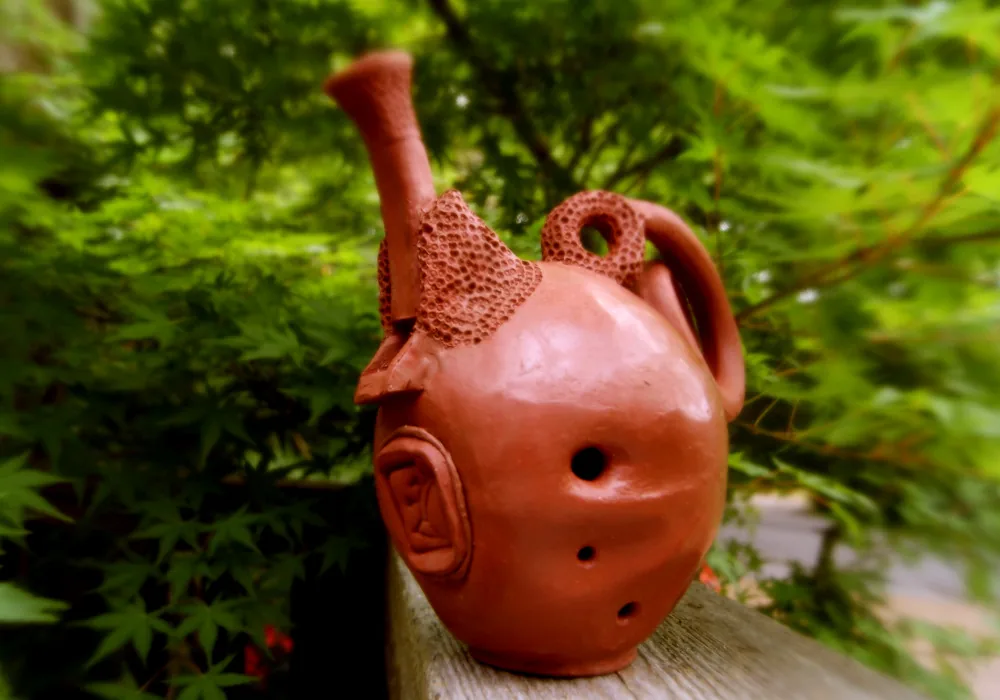

The ocarina is appealing because of its simplicity and gentle voice. It allows beginners to learn tunes quickly.
Finding good pieces is essential for making progress. This guide presents the most useful online and printed resources for instruments in C, F, or G.
We explain how to choose music based on the key and number of holes. This helps you avoid fingering mistakes and play with greater confidence.
Learning to read tablature and understand music notation opens up a varied repertoire, from video-game themes to traditional tunes. To get started, read our guide to reading tablature and choosing the right clef.
An introduction to the ocarina for beginners
The first step for a beginner is to learn breath control, the basic notes, and tablature.
This wind instrument is accessible and lightweight. It is often made from ceramic or plastic, making it easy to buy and maintain.
One study shows that regular practice improves cognitive abilities by 37%. With a good method, 94% of users manage to play their first melodies and make rapid progress.
For beginners, music becomes an educational hobby. Skills develop through short exercises and simple scores.
- Learn basic fingerings and breathe correctly.
- Follow visual tablature to progress without having mastered music notation.
- Use reliable resources to support each practice session.
For suitable step-by-step support, see our beginner’s guide, which explains the fundamentals and provides progressive exercises.
Ocarina sheet music: why use it and where to find easy pieces
Choosing suitable tablature makes every practice session clearer and more productive. Visual systems speed up memorization and reduce frustration. A good guide combines symbols with timing indications to guide your playing.
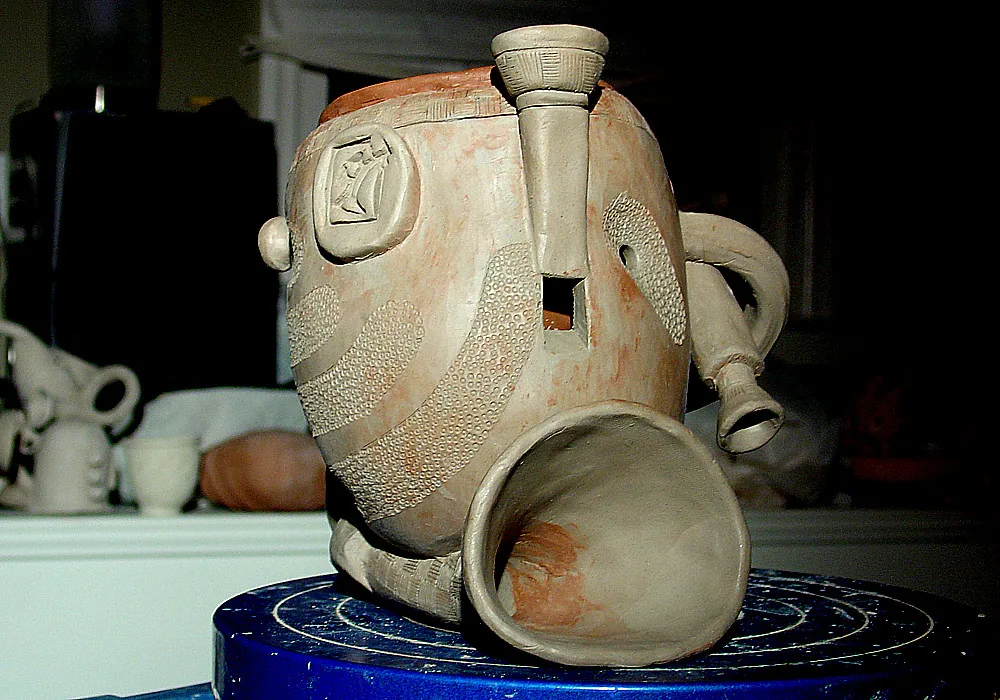
The benefits of color coding
Simple tablature uses color coding to guide beginners. This system lets players recognize finger positions at a glance.
STL Ocarina offers resources that use these codes. They make learning much more intuitive and efficient.
The appeal of popular melodies
Learning familiar tunes helps maintain motivation. The included symbols indicate the beats and make the musical repertoire easier to perform.
“A clear score turns a practice session into a pleasure.”
- Seeing fingerings helps you memorize them.
- Color coding reduces mistakes.
- Popular melodies provide a motivating framework for improvement.
Understanding the basics of music notation and tablature
Mastering a few elements of music notation makes it much easier to decipher tablature quickly.
Music notation is a universal language. It works alongside tablature to identify notes and read rhythms.
Understanding note lengths and beats allows you to preserve the expression of the music.
- Good tablature shows which holes to cover and simplifies reading.
- Basic symbols—quarter notes, half notes, and rests—are easy to remember.
- Learning these reference points provides access to a broader repertoire than memorization alone.
“Reading a score becomes natural when you connect music notation with tablature.”
| Element | What it indicates | Why it is useful |
|---|---|---|
| Notes | Pitch and name | Help identify the key |
| Note lengths | Quarter note, half note, eighth note | Help you keep the rhythm |
| Tablature | Hole positions | Quick reading for beginners |
To learn more, read our guide to reading tablature and practicing effectively.
The benefits of visual tablature for making progress
Visual representations accelerate learning by connecting each note with a physical movement.
Visual tablature helps you progress quickly by showing which holes to cover for each note. It makes moving from reading to playing easier.
Why beginners prefer hybrid formats
About 82% of beginners prefer hybrid tablature. This format combines the logic of music notation with the simplicity of fingering diagrams.
- Tablature directly connects notes with the holes that must be covered, speeding up the physical response.
- Hybrid formats suit every ability level and ease the transition to standard sheet music.
- Reading becomes more fluid when you understand the connection between tablature and the musical staff.
“A clear display makes it possible to see tangible progress in every practice session.”
In practice, these tools strengthen hand–eye coordination and help you play more confidently. For beginners, choosing simple and hybrid tablature supports steady progress.
Choosing an instrument by its number of holes
The hole configuration directly affects the instrument’s range and fingering.
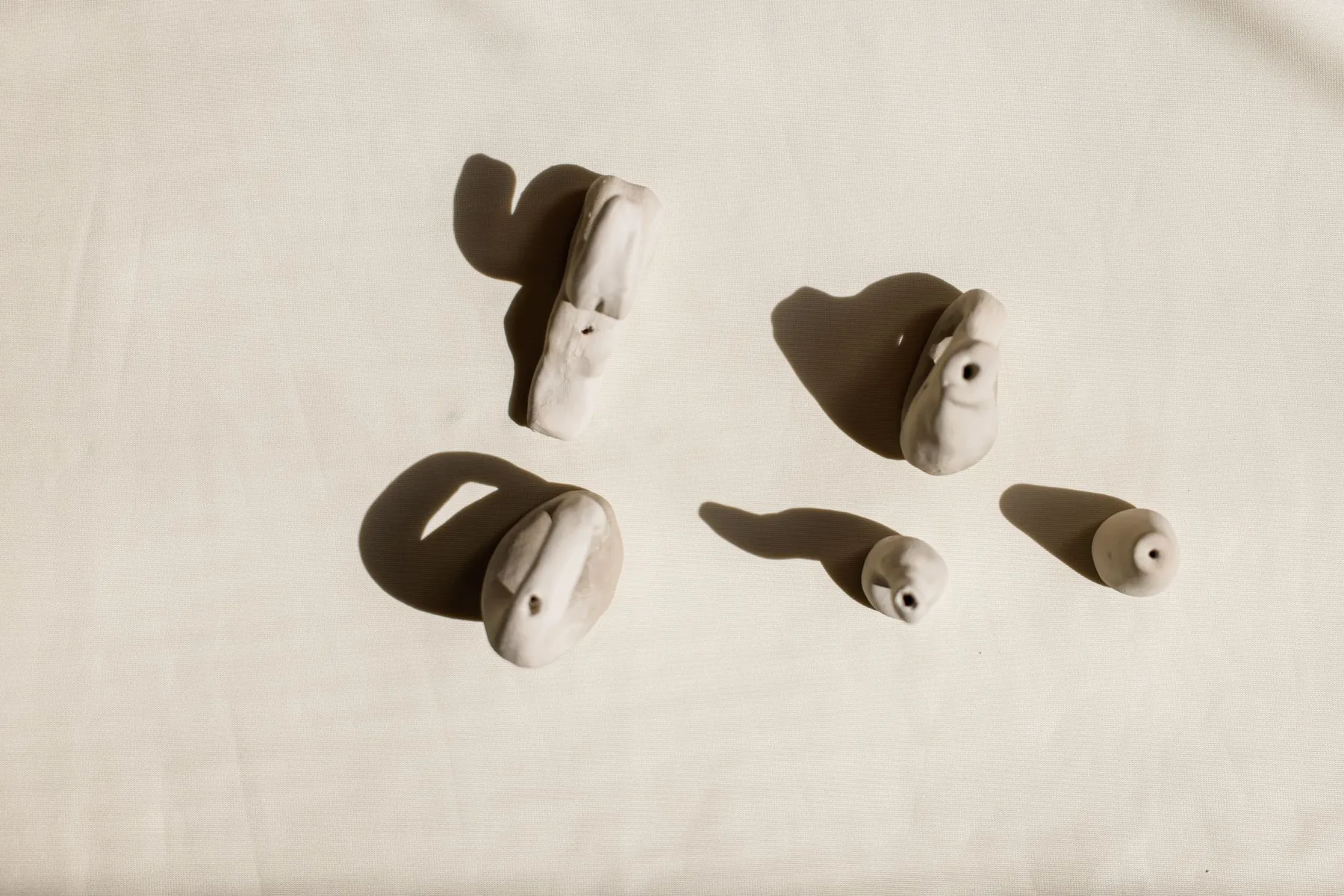
Twelve-hole models are the most versatile. About 89% of online resources are devoted to them, making beginner sheet music easier to find.
Four- or six-hole versions are suitable for taking your first steps. They offer simple fingerings and a quick learning curve.
- Accessibility: simple formats for getting started.
- Versatility: 12 holes for exploring more pieces.
- Accuracy: understanding how the configuration affects notes helps you master the instrument.
| Model | Advantage | Suitable for |
|---|---|---|
| 4 holes | Very simple fingerings, ideal for playing short melodies | Beginners |
| 6 holes | Good progression and a wider range | Developing learners |
| 12 holes | Wide range of notes and abundant learning resources | Players seeking versatility |
The importance of key when choosing pieces
Checking your instrument’s key first prevents you from wasting hours deciphering an incompatible score.
The correct key directly determines the fingering. If the key does not match, the movements become confusing and the student stops progressing.
Tristan Laurens states that 35% of students give up when their sheet music does not match their instrument. This statistic highlights the need for care.
Its effect on fingering and transposition
A note may vary depending on the tuning. Understanding the role of the number of holes and the instrument’s range prevents transposition errors.
- The instrument’s key influences finger positions and simplifies learning.
- Always check whether the score is compatible with your instrument’s range.
- Classical scores often need to be adapted before they can be played.
“Checking the key saves time and preserves motivation.”
In short, choosing pieces requires care: make sure the score matches the rhythm and key before you begin.
Using online resources to obtain sheet music
Being able to access reliable tablature in a few clicks genuinely helps beginners progress.
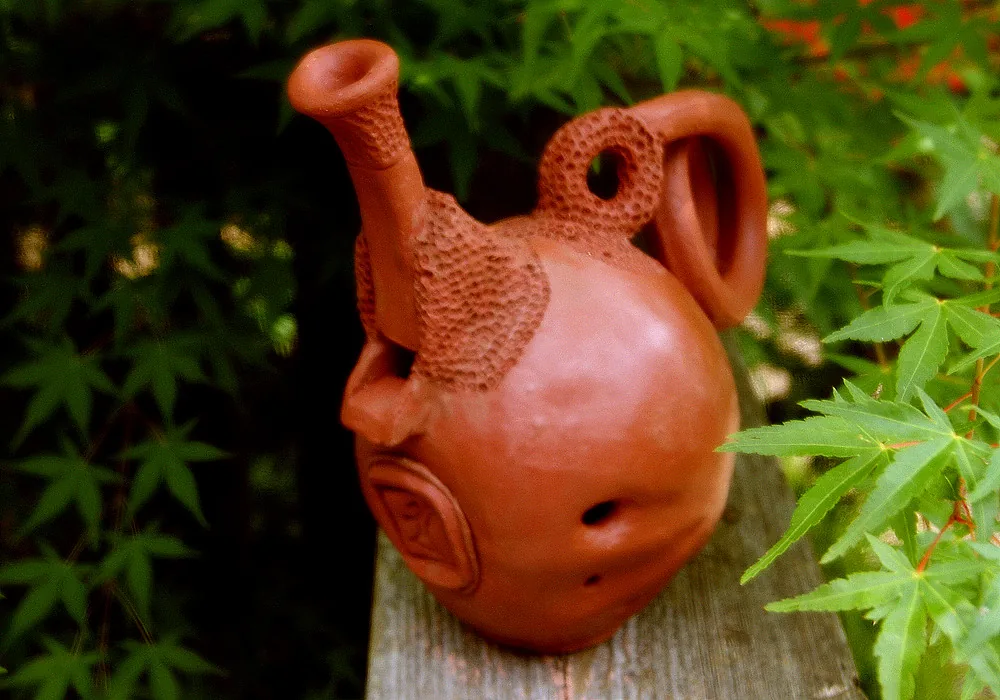
Specialist websites often provide libraries organized by difficulty and number of holes. STL Ocarina, for example, offers more than 300 free resources arranged to make learning easier.
These platforms let you quickly download everything needed to expand your musical repertoire. Choose verified sources to avoid tablature or tuning errors.
- Filter by ability level, style, or instrument to save time.
- Check comments and ratings to confirm the quality.
- Download beginner-friendly versions to progress quickly.
“Good resources reduce frustration and make practice more enjoyable.”
| Criterion | Advantage | Tip |
|---|---|---|
| Sorted by difficulty | Gradual progression | Start with beginner levels |
| Downloads | Immediate access to tablature | Save files on a reliable device |
| Filters (style, number of holes) | Accurate targeting | Use filters to find material suited to your instrument |
To deepen your understanding of tablature and make better use of these resources, read our complete guide to ocarina tablature.
Recommended printed methods and books
For rapid progress, nothing replaces a good method book with exercises and audio tracks.
Ocarina Method Book 1 is a standard reference. It includes an accompanying CD that helps synchronize breathing and rhythm.
These books provide progressive exercises suitable for each ability level. They address difficulties one step at a time, preventing learners from rushing ahead.
The benefits of methods with audio support
Sound guides the student: listening to an accompaniment makes it easier to perceive tempo and intonation.
Books are often more comprehensive than basic online tablature. Organizations such as Musique de Terre and STL Ocarina select methods and scores with audio accompaniment for beginners.
- A consistent structure for daily practice.
- Progressive exercises for overcoming technical difficulties.
- Audio support for refining listening skills and phrasing.
“A good ocarina method book turns practice into measurable progress.”
To complement your resources, see our selection and download guides through this link: selection of methods and sheet music.
Techniques for reading tablature effectively
Knowing how to decipher a diagram makes practice more fluid from your very first attempts. Tablature uses intuitive symbols representing notes and their lengths. This helps beginners play without mastering every aspect of music notation.
Start by learning the hole-numbering system. Identify which positions correspond to the notes on your instrument. Then observe the indicated beats to maintain the rhythm.
Managing beats and repetitions is crucial. Use visual markers for rests and breaths. Braces often indicate notes played in one continuous breath; this is a basic technique for fluid playing.
A common mistake is confusing rests with notes. Read the tablature carefully before you begin playing. Practice slowly, one measure at a time, and then increase the speed.
“Breaking tablature into small sections makes learning more effective.”
- Identify the symbols and note lengths.
- Master the hole-numbering system.
- Mark rests and braces to manage your breath.
Practical advice for getting started successfully
A successful start depends on sensible equipment choices and regular practice. Choose an ergonomic model that fits your hands. This reduces tension and makes fingering easier for beginners.
Choosing an ergonomic model
Musique de Terre offers models recommended for their comfort. A lightweight, well-shaped instrument helps you maintain a good playing position during exercises.
The importance of posture
Keep your back straight and your shoulders relaxed. Control your breathing and hold the instrument at a comfortable height to avoid tension.
Daily practice
Fifteen minutes a day is enough to consolidate your command of the notes and your playing skills. Use a case, metronome, and practice kit to organize your sessions.
- Practice regularly in short sessions to progress quickly.
- Use free resources and tutorials to improve your intonation.
- Share your progress in the comments to receive constructive feedback.
“Consistency matters more than quantity: fifteen focused minutes are better than a disorganized hour.”
For step-by-step assistance, see our practical guide: learn a song step by step.
Managing rhythm and repetition with a metronome
A metronome turns a scattered session into accurate, consistent practice. Using one is among the best practical ways to master rhythm and timing.
Start slowly and increase the tempo little by little. A metronome lets you isolate a phrase and repeat each measure until the movement feels secure.
Keeping the beat prevents common rhythmic mistakes among beginners. Working in short sections strengthens muscle memory and improves accuracy.
Add a metronome with a case to your equipment so it is always close at hand. It structures your sessions and helps you control timing and repetitions without losing the musical thread.
“A steady tempo transforms casual practice into a polished performance.”
- Break difficult passages into sections and repeat them with a metronome.
- Alternate between slow and fast practice to build confidence.
- Devote each session to a specific goal to improve as a musician.
Conclusion
The key to lasting progress is regular practice, good resources, and clear goals. A study shows that making music stimulates cognitive abilities and makes learning more rewarding.
Choose beginner-friendly sheet music and, if possible, a 12-hole model to access a broad repertoire. Use specialist websites and online resources to find hybrid tablature or standard scores suited to your level.
Master the basic techniques, read each tablature carefully, and share your progress in the comments. To learn how to read tablature, see our guide: read tablature.