
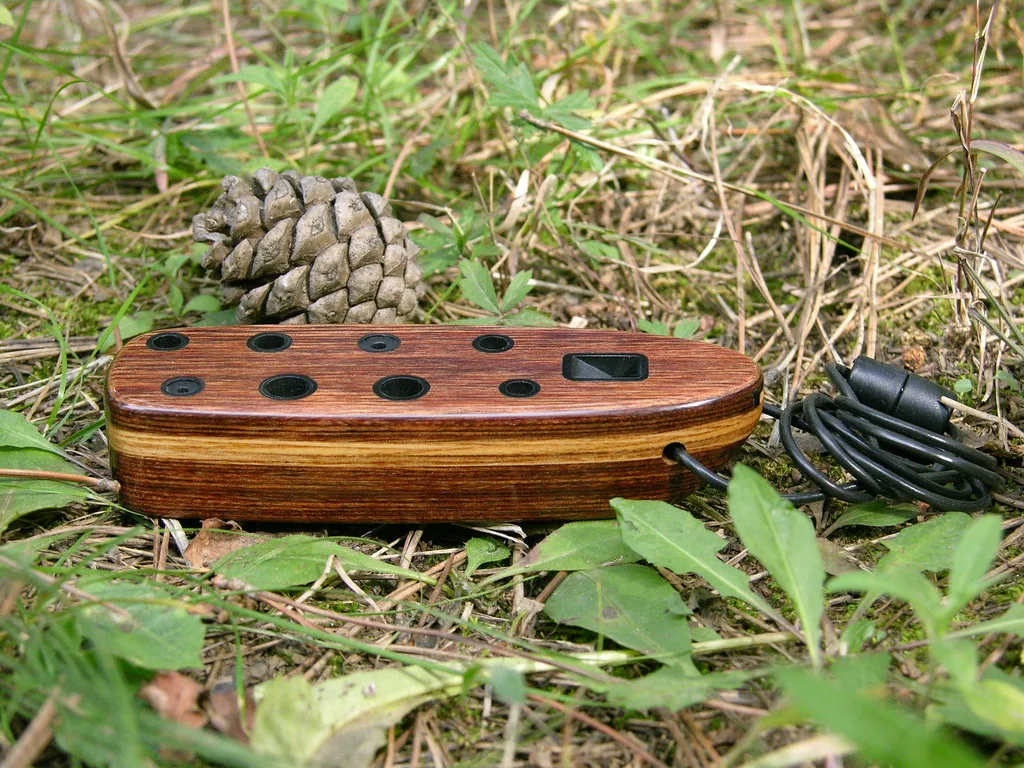

The ocarina is a wind instrument that is ideal for beginners. With a few weeks of regular practice, you can make rapid progress.
This guide presents clear techniques for controlling your breath and adopting the correct posture. You can develop musical skills even if you cannot read music.
Choosing a good instrument prevents the frustration caused by poor sound quality. A suitable choice makes learning easier and practice more enjoyable.
Whether you choose to teach yourself or take structured lessons, this article guides you step by step. It aims to make the experience accessible and motivating for English-speaking learners.
- Make rapid progress through regular practice.
- Breath control and posture are essential.
- Choose a quality instrument to set yourself up for success.
Understanding the history and origins of the ocarina
The history of this instrument spans continents, from the Americas to nineteenth-century Italian workshops. Archaeological remains associated with the Maya and Aztec civilizations attest to its ancient, sometimes ritual use.
In 1853, Giuseppe Donati popularized the modern form. His oval design standardized the arrangement of the holes and made the instrument easier to learn.
An instrument with ancient roots
Pre-Columbian instruments show that simple forms could already create resonance and produce music. These instruments endured through the centuries and inspired craftspeople in Europe.
Manufacturing materials
Modern ocarinas are mainly made from two materials: ceramic, which produces a warm tone, and plastic, which is more robust.
- The oval shape and arrangement of the holes create the characteristic resonance.
- Ceramic models produce a deep sound, while plastic models are durable and well suited to beginners.
- Recent techniques have improved the accuracy and sound quality of ocarinas.
This historical and technical journey explains why this wind instrument remains popular. It combines tradition with innovation and helps players develop lasting musical skills.
Learn to play the ocarina: the basics for getting started
Before attempting a melody, use a stable grip and measured breath to produce clear notes.
Hold the instrument at chest height, angled slightly upward. This position encourages resonance and a fuller tone.
Your breath should remain gentle and steady. Blowing too hard produces shrill, unpleasant notes. Breathe calmly and control each exhalation.
- Coordinate your breath with the placement of your fingers over the holes.
- Begin with individual notes before moving on to melodies.
- Progress slowly to broaden the range of sounds you can produce.
This basic method supports smooth progress. By working this way, you will quickly learn how to produce both gentle and more complex sounds with your ocarina.
To explore the technique in greater depth and follow a complete method, consult beginner-friendly resources in English.
Choosing your first wind instrument
Your first instrument should combine comfort, suitable pitch, and durability.
For an adult who wants to explore a wide range of melodies, a twelve-hole transverse model is the most versatile choice. It provides a broader range of notes and greater flexibility.
Transverse or pendant
Pendant models with four to six holes are compact and ideal for children or for playing while traveling.
Comparing pitch ranges
Choosing between soprano, alto, and bass affects the pitch and level of difficulty. A soprano has a bright sound; an alto balances tone and comfort; and a bass requires more breath.
Ceramic or plastic
Ceramic produces a rich tone. Plastic provides strength and durability.
| Type | Holes | Advantage | Recommended for |
|---|---|---|---|
| Transverse | 12 | Versatile, broad range | Adults and ambitious musicians |
| Pendant | 4 to 6 | Compact and simple | Children and beginners on the move |
| Ceramic | Varies | Sound quality | Students seeking a rich tone |
| Plastic | Varies | Impact resistant | Outdoor use and learning |
Tip: choose a properly tuned, standardized model to ensure the best possible learning experience.
Adopting the ideal posture for better breathing
Controlled posture improves both breathing and note quality. Stand upright with your back straight and your feet firmly planted on the floor. This position encourages diaphragmatic breathing and reduces tension.
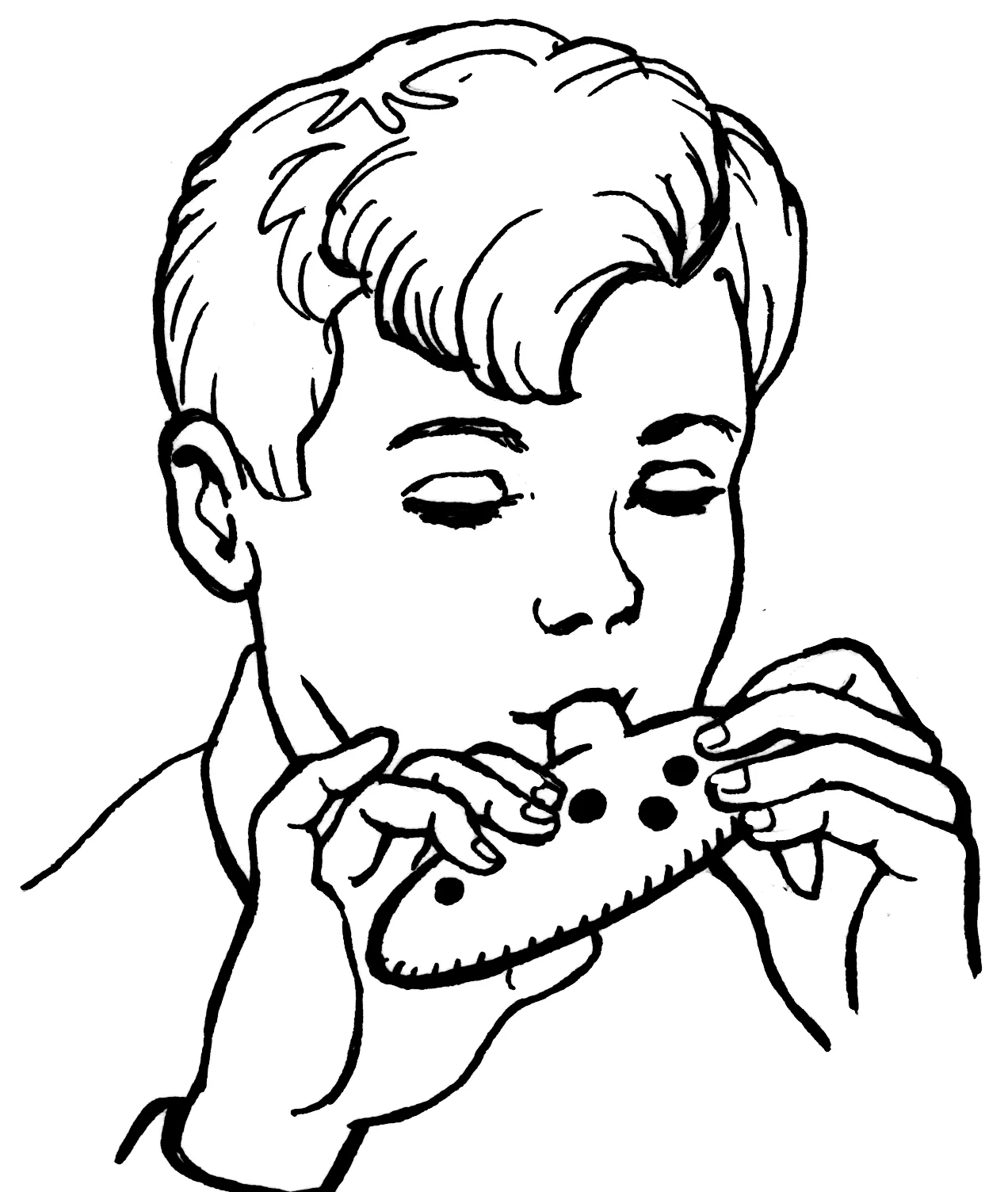
Avoid gripping the mouthpiece; lips that are too tight can cause whistling and restrict airflow. Keep your jaw relaxed for greater accuracy.
Position your fingers without tensing them. A relaxed grip makes it easier to seal the holes and play smoothly. Good hand position also helps coordinate breathing and fingering.
Practice the candle exercise: blow gently enough to make a flame flicker without extinguishing it. This exercise teaches you to regulate the airflow and sustain each note steadily.
Correct posture reduces fatigue and allows you to hold long notes without strain. By combining posture, breathing, and technique, you will improve both accuracy and musical expression.
To develop your technique and breathing exercises further, consult a complete resource on beginner techniques.
Mastering fundamental fingerings
Accurate finger placement over each hole makes all the difference when producing notes that are in tune.
The numbering system runs from 1 to 6 and provides a simple reference. Each number corresponds to a specific hole. Memorizing this system makes learning the positions faster.
The hole-numbering system
Position your fingers so that they cover each hole completely. An imperfect seal causes air leaks and out-of-tune notes.
- Accuracy: place the pad of your finger over the center of the hole.
- Comfort: keep your fingers slightly curved for greater agility.
- Method: slowly repeat positions 1 through 6, then gradually increase the tempo.
| Element | Description | Practical advice |
|---|---|---|
| Numbering | Holes 1 to 6, from nearest to farthest | Memorize their order visually, then say the numbers aloud |
| Placement | Finger pad centered over each hole | Check the seal in every position |
| Goal | Accurate notes and smooth transitions | Practice for 5 to 10 minutes each day |
Mastering these fingerings provides the essential foundation for playing more complex melodies. For additional support, consult a complete beginner’s guide and follow progressive, standardized exercises.
Practicing scales to improve agility
Regular scale practice improves the fluidity of your finger movements and the accuracy of your notes.
Practice routine: devote 15 minutes each day to the C major scale. This exercise develops finger agility and helps you memorize the fingering for every hole.
Set a metronome to 60 BPM. Practice ascending and then descending, slowly at first. A steady tempo helps you control your breath and maintain even notes.
Tip: concentrate on sealing the holes completely and exhaling gently as you ascend. This preserves sound quality across the instrument’s entire range.
- 15 minutes each day — rapid progress.
- Metronome at 60 BPM — a steady tempo.
- Check that the holes are fully sealed — accurate intonation.
| Goal | Duration | Tool | Expected result |
|---|---|---|---|
| Finger agility | 15 minutes | Metronome at 60 BPM | Smoother transitions |
| Breath control | 15 minutes | Ascending exercises | Stable tone |
| Fingering accuracy | 15 minutes | Repeated C major scales | Better intonation |
| Endurance | 3 to 4 weeks | Daily practice | Longer sustained notes |
To explore the method further and find suitable tablature, consult this guide to getting started and playing easy tablature. To understand learning timelines more clearly, you can also read this article about the piano: how long does it take to make progress?
Decoding sheet music and tablature
Reading tablature makes popular melodies more accessible. The symbols show which holes to cover, making them immediately understandable for beginners.
Reading tablature
Ocarina tablature uses clear symbols. Each symbol corresponds to a specific fingering; following this notation helps you begin playing more quickly.
Advantage: you can play familiar melodies without knowing how to read staff notation. The method remains enjoyable and structured.
Understanding standard notation
The treble clef and note values remain useful if you want to perform more complex scores.
Software such as MuseScore can help transpose a score to suit your instrument’s key. This opens up a broad repertoire and makes arrangements easier.
- Tablature lets you begin playing melodies quickly.
- Standard notation provides a deeper understanding of notes and fingerings.
- Digital tools make transposition simple and convenient.
To continue learning, consult a beginner’s guide that combines tablature and sheet music in a step-by-step progression.
Refining advanced playing techniques
Improving accuracy requires regular exercises focused on breath control and finger dexterity.
Begin with a daily routine: 15 minutes of improvisation followed by slow scales. This practice develops creativity and finger agility.
Use a digital tuner during long-note exercises to stabilize your notes and improve intonation. Listen carefully and adjust your airflow gradually rather than forcing the pitch.
Diaphragmatic vibrato adds distinctive expression to a performance when used with control.
Also work on an upright posture and the position of the mouthpiece to keep your sounds stable during fast passages. Study demanding pieces such as “Flight of the Bumblebee” to develop speed and precise finger placement over the holes.
For a guided method and practical exercises, consult this guide for learning without reading music. It complements this advanced practice plan well.
Maintaining your instrument to preserve its sound quality
Regular maintenance extends the life of your instrument and preserves its tone.
Wipe the mouthpiece with a soft cloth after every session. This removes moisture and limits deposits that can affect tonal accuracy.
Clear moisture and loose particles carefully, following the manufacturer’s instructions for your instrument’s material. Avoid abrasive tools that could damage the windway or internal surfaces.
Storage and protection advice
Store the ocarina in a dry place with a stable temperature. This helps prevent deformation and tiny cracks, especially in ceramic instruments.
Use a sturdy padded case to provide effective protection against impacts.
A small daily precaution preserves the instrument’s quality and improves playing comfort.
- Allow the instrument to air-dry after cleaning.
- Regularly check the condition of the holes and any fitted joints.
- Avoid prolonged exposure to direct sunlight or moisture.
| Action | Frequency | Advantage |
|---|---|---|
| Wipe the mouthpiece | After every playing session | Reduces moisture and extends the instrument’s life |
| Clear the windway gently | As recommended by the manufacturer | Removes moisture and loose particles |
| Air-dry | After cleaning | Preserves sound quality |
| Store in a rigid padded case | At all times | Protects ceramic from tiny cracks |
Conclusion
Short, regular sessions are enough to move forward on this musical journey. With just a few minutes each day, every player can improve while enjoying a variety of melodies.
Mastering this instrument is within reach: a good choice of model and material—soprano, alto, or ceramic—and simple maintenance will preserve the quality of its sound. Proper posture and a clear method provide the foundation for lasting progress.
Join communities and consult learning resources to expand your repertoire. For tablature and practical materials, read this guide to ocarina tablature. The best advice is to remain patient and methodical.