


Discovering this ancient instrument helps us understand its unique journey. Officially invented in Italy by Giuseppe Donati in 1853, its roots nevertheless extend back to globular flutes found in Mesoamerica, Asia, Africa and Europe.
Our guide offers a clear overview of this musical object. You will find articles explaining how it is made, its distinctive shape, often compared to a small goose, and its playing techniques. This instrument has endured through the ages, adapting to different cultures and musicians’ needs.
This first section lays the groundwork for understanding its sound quality and the player’s technique. It suggests ways to explore the history, practice and development of this fascinating instrument in greater depth.
Ocarina: Definition, Meaning, Origin and How It Works
The instrument’s small cavity conceals a fascinating acoustic principle. Classified as a Helmholtz resonator, it belongs to the family of ducted vessel flutes.
How it works: the player blows into a dedicated mouthpiece. The moving air vibrates inside the cavity. These vibrations create pure, often melancholic tones capable of expressing a wide range of emotions.
Characteristics:
- An ovoid shape with no keys—a simple design for beginners.
- Its operation as a Helmholtz resonator determines pitch according to the volume of air.
- Its tone can sound nostalgic and sometimes poignant, depending on the performance.
The ocarina remains an accessible musical instrument. Its technique relies more on breath control and fingering than on complex mechanics. This helps explain why it has endured across centuries and cultures.
The Ancestral Roots of the Vessel Flute
Traces of vessel flutes have been found on several continents, revealing a history far older than that of modern Europe.
Clay remains show that peoples living far apart were already making simple sound-producing objects. These clay pieces had a spherical shape that made it easier to produce pure notes.
African Remains
In Central Africa, excavations have uncovered a 30,000-year-old terracotta whistle. This small object foreshadows the acoustic principles of a later instrument.
The Runik Discovery
In Kosovo, the Runik ocarina, unearthed in 1966, measures approximately 8 centimetres and has four holes. Dating from the Neolithic period, it is more than 8,000 years old.
- Vessel flutes dating back 12,000 years have been found in Egypt.
- These objects could already play several notes and attest to early musical expertise.
- Their globular shape and clay construction recall the characteristics of modern ocarinas.
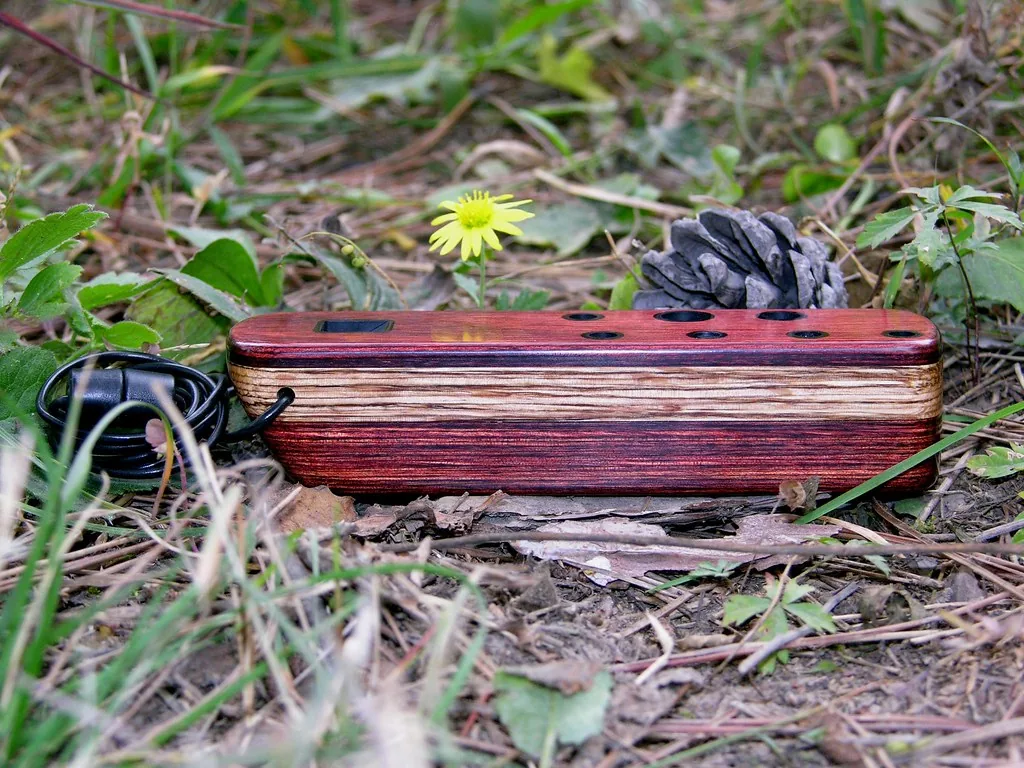
Research confirms that several cultures developed these objects independently. The relationship between these ancient instruments and the modern ocarina therefore appears to be the result of parallel developments.
The Influence of Mesoamerican and Asian Civilizations
Several civilizations fashioned vessel flutes for ritual and everyday use. These objects share a simple shape that encouraged their spread and rapid adoption from one people to another.
The Role of the Chinese Xun
The xun is a Chinese instrument that has been used for more than 7,000 years. It is played by blowing across its outer edge, a technique different from that of modern ocarinas.
In the Americas, the Chibcha people of Colombia made globular flutes from clay or gold between 500 BC and 1536. Eight-hole Peruvian examples demonstrate notable technical sophistication.
- In Asia, the xun relies on acoustic principles similar to those of ocarinas.
- The Chibcha people produced objects in clay and gold, demonstrating remarkable ingenuity.
- The technique of blowing across the outer edge distinguishes the xun.
- Eight-hole Peruvian examples attest to mastery of musical notes.
- The ovoid shape helped these instruments spread across continents.
These remains show how different cultures shaped the ocarina’s development before it reached Europe.
The Instrument’s Transformation in Europe
The journey of these small instruments from the New World to European courts marked a major cultural turning point. After a period of decline, their rediscovery through colonial expeditions renewed interest in their distinctive timbre.
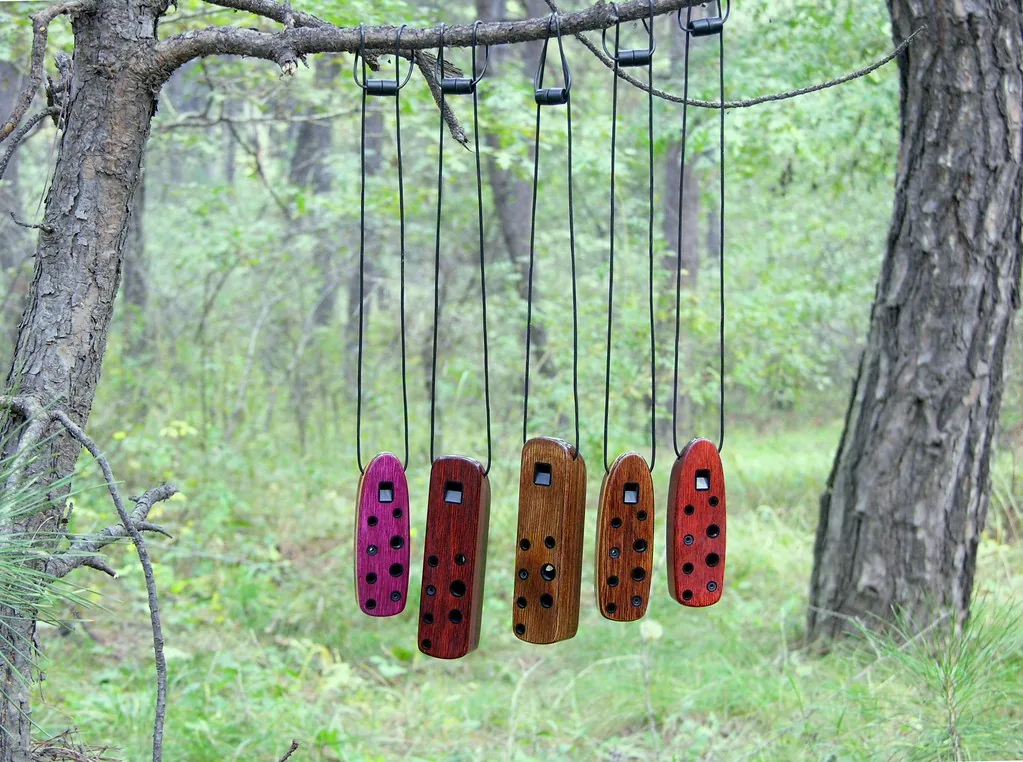
In 1527, Aztec musicians presented to Charles V fascinated the court with their performances. This direct encounter demonstrated that these objects could transcend their role as toys and become genuine musical instruments.
At the same time, Europe had its own local models, such as the gemshorn, which originated in fifteenth-century Germany and was made from a hollowed-out chamois horn. These exchanges encouraged adaptations to locally available materials and musicians’ tastes.
The result was a gradual spread: first as a curiosity, then through wider adoption. Ocarinas became part of several European cultures and evolved to meet performers’ practical and aesthetic needs.
“The meeting of sounds transformed popular objects into respected instruments.”
Giuseppe Donati and the Birth of the Modern Ocarina
In Budrio in 1853, a young brickmaker changed the destiny of a small wind instrument. Giuseppe Donati, then aged 17, shaped a simple yet complete instrument from fired clay.
His classic model had 10 holes. This configuration made it possible to play a complete scale of notes accurately.
The Invention of the Classic Model
Donati refined the shape to optimize tuning and projection. This technical development transformed an object often regarded as a toy into a genuine musical instrument.
In 1864, he founded the “Gruppo Ocarinistico Budriese” to promote his model throughout Europe.
The Name’s Etymology
The term comes from “ucarèina,” a word in the Bolognese dialect that evokes a small goose’s head. The resemblance of its outline inspired the name now commonly used.
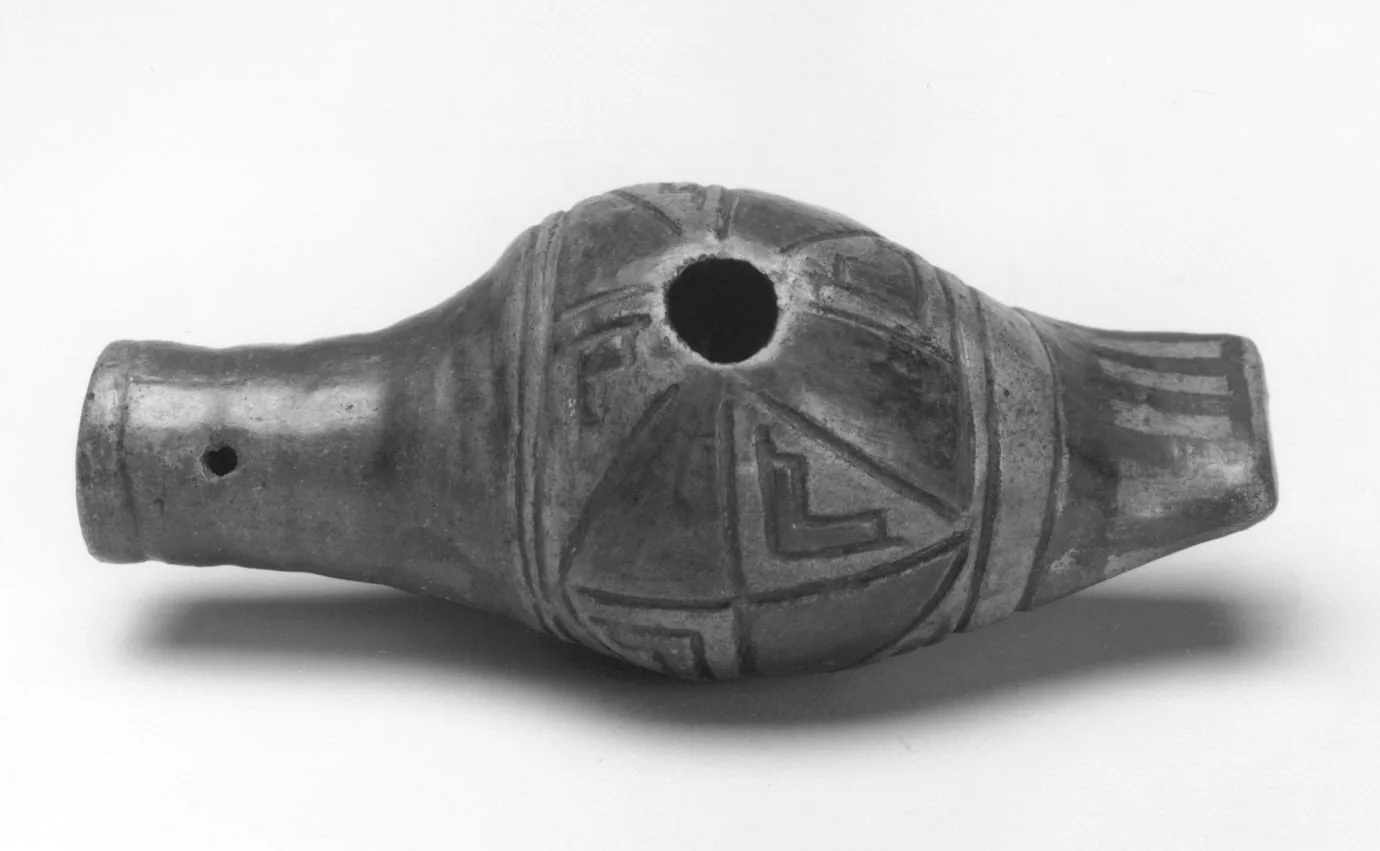
- 1853: a 10-hole terracotta model.
- Transformation from a toy into a respected instrument.
- Organized promotion through the group founded in 1864.
| Year | Event | Characteristic |
|---|---|---|
| 1853 | Invented by Giuseppe Donati in Budrio | Clay model, 10 holes, ovoid shape |
| 1864 | Founding of the Gruppo Ocarinistico Budriese | Promotion and standardization of the model |
| Late nineteenth century | Adoption within European musical circles | Recognition as a serious instrument |
To learn more about the history and development of this instrument, read our practical guide to the ocarina.
Technical Developments and New Models
Twentieth-century innovations greatly expanded the tonal palette of this popular instrument.
The Contribution of the Twelve-Hole Model
In 1928, Japanese sculptor Takashi Aketagawa added two holes to the classic model. This 12-hole design improved intonation and extended the instrument’s range.
Multiple Chambers
Models with two or three chambers extend the range and allow chords to be played. These designs open up new possibilities for musicians.
Construction Materials
Construction materials vary and include porcelain, wood, metal and modern plastic. Each material affects tone colour and durability.
These advances have transformed the ocarina into a versatile instrument. Contemporary ocarinas offer more holes, a transverse grip and a range approaching that of the flute. They make it possible to play more accurate notes and more expressive phrases.
The Role of Popular Culture in Its Rediscovery
Popular culture brought this instrument back into the collective imagination through several landmark works.
The video game The Legend of Zelda: Ocarina of Time (1998) played a decisive role. In this adventure, the hero uses an ocarina to progress through the story. This use engraved the instrument’s image in the memory of an entire generation.
Cinema also contributed. Ennio Morricone incorporated a low-pitched arghilofono into The Good, the Bad and the Ugly (1966), adding a distinctive colour to the soundtrack. Animated series such as Captain Harlock further strengthened its poetic aura.
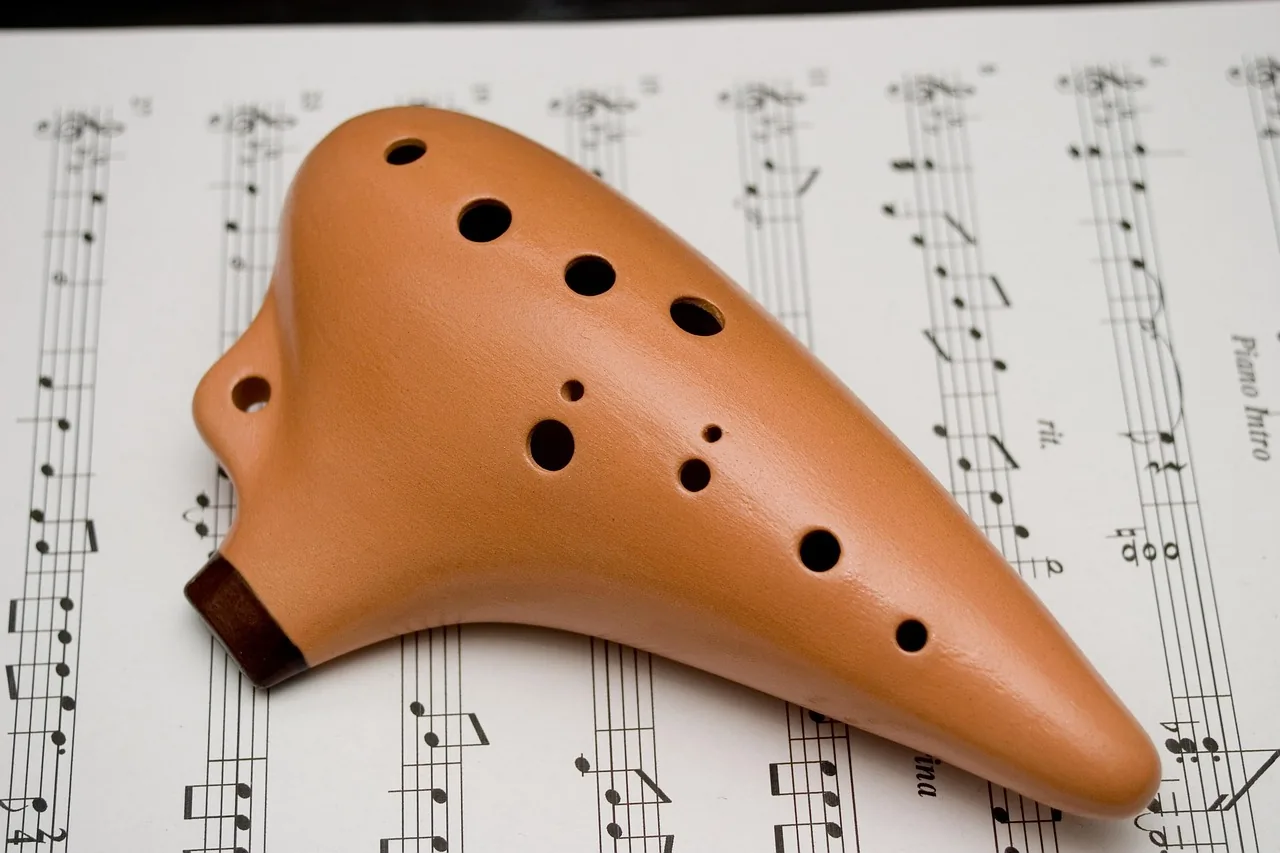
- Worldwide visibility: games and films introduced the instrument to a broad audience.
- Image: its shape, reminiscent of a bird’s head, makes it easy to recognize visually.
- Revival: these appearances encouraged diverse audiences to rediscover ocarinas.
| Medium | Year | Impact |
|---|---|---|
| Video game (Zelda) | 1998 | Worldwide popularization and increased searches and sales |
| Cinema (Morricone) | 1966 | Dramatic tonal colour and interest from composers |
| Animated series | 1970s–1990s | Nostalgic image and wider presence in popular culture |
To explore its history further and choose your instrument, read our practical guide to the ocarina.
Advice for Choosing and Caring for Your Instrument
To choose the right instrument, begin by assessing the quality of its material and the arrangement of its holes. Check the number of holes; the more there are, the wider the potential range. Examine the fineness of the fired clay and the consistency of the bore holes.
Test the mouthpiece to ensure that it remains comfortable during long playing sessions. A model that is easy to hold supports progress and helps maintain accurate intonation.
When buying, favour specialist retailers. For example, Instruments du Monde offers more than 80 models suited to different skill levels.
- Care: gently clean the holes with a flexible rod to prevent dust from accumulating.
- Store the instrument in a dry place and avoid sudden temperature changes.
- Choose an easy-to-carry model that retains enough range for your pieces.
| Criterion | What to Check | Impact |
|---|---|---|
| Number of holes | 6 to 12, or even more | Range and note accuracy |
| Material | Terracotta, porcelain, plastic | Tone colour and durability |
| Mouthpiece | Shape and comfort | Ease of playing |
Conclusion
In conclusion, this journey shows how a simple sound-producing object endured through the centuries to become a genuine musical instrument.
Its history is rooted in ancient cultures and, thanks to Giuseppe Donati in 1853, it secured a lasting place on the stage. Mastering the holes and breathing techniques makes it possible to produce highly accurate notes.
Whether you are a beginner or an experienced musician, numerous articles and practical guides can help you improve. If you would like to try making one at home, read our tutorial on how to make a clay ocarina.
In summary, this instrument continues to captivate audiences with its unique sound and its ability to endure across eras.