
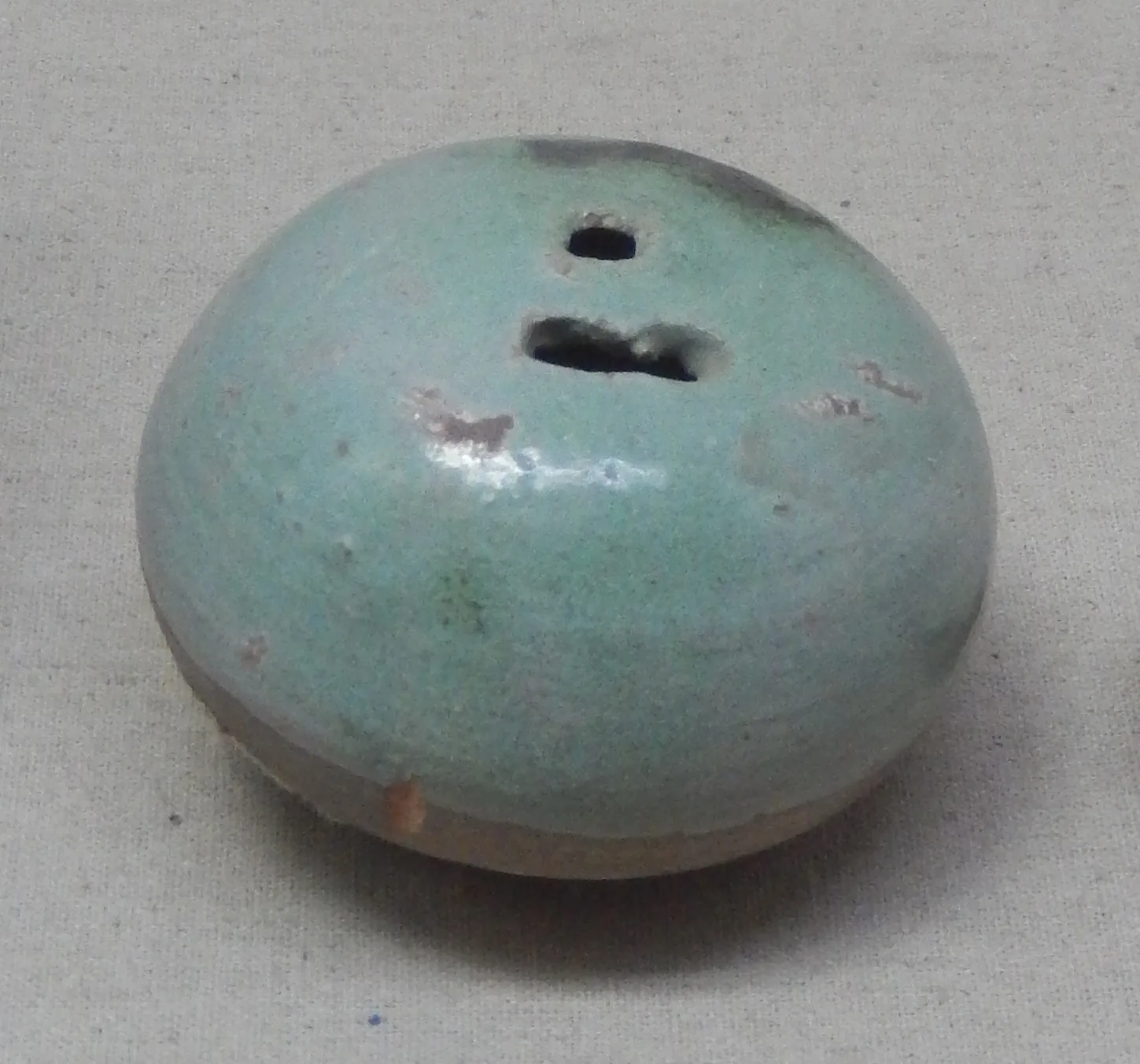

The word ocarina comes from the Bolognese dialect word ucaréṅna, meaning “little goose”. The name followed the object into nineteenth-century Italy, where it acquired its modern form. Its history, however, goes back to ancient whistles used on several continents.
This keyless, ovoid wind instrument has a distinctive silhouette. Its shape directly affects its tone: smaller models produce bright sounds, while larger ones produce lower notes. Its simple design dates back to the earliest prehistoric whistles.
To learn more about its roots and development, read this historical overview of the ocarina. Understanding its name, etymology, and uses helps reveal its present-day cultural impact.
Ocarina: Definition, Origins, and Distinctive Features of This Instrument
Small in size, it is remarkable for its resonance principle and distinctive tone.
Classified as a woodwind, this sound-producing object works as a Helmholtz resonator: an enclosed cavity pierced with holes. Blowing into it causes the air in the cavity to vibrate rather than a column of air along a tube.
Its tone is often described as melancholic or nostalgic. Its gentle notes and natural vibrato are captivating. Musicians use it for simple tunes as well as more elaborate pieces.
“A globular resonator produces a rounded, expressive tone suited to intimate melodies.”
- Keyless, ovoid structure.
- Operation based on the Helmholtz principle.
- Historical uses: rituals, ceremonies, and musical recreation.
| Feature | Sound effect | Use |
|---|---|---|
| Ovoid shape | Rounded, stable tone | Solo performance, accompaniment |
| Enclosed cavity (Helmholtz) | Fundamental frequencies, tonal purity | Traditional and meditative music |
| Globular flute (classification) | Limited but expressive scales | Rituals, teaching |
For a closer look at its history and its place among globular flutes, read this overview: learn more.
The Ancient Roots of the Globular Flute
Archaeological evidence reveals that globular flutes have existed on several continents since ancient times. These objects attest to the regular use of breath to produce sounds through a pierced cavity.
Remains from Mesoamerica
Among the Aztecs, the huilacapiztli was often made from fired clay or bone. These instruments frequently had four holes for changing the pitch.
The Legacy of Asian Cultures
In China, the xun dates back approximately 7,000 years. Its ovoid shape recalls more recent versions and illustrates continuity in the instrument’s design.
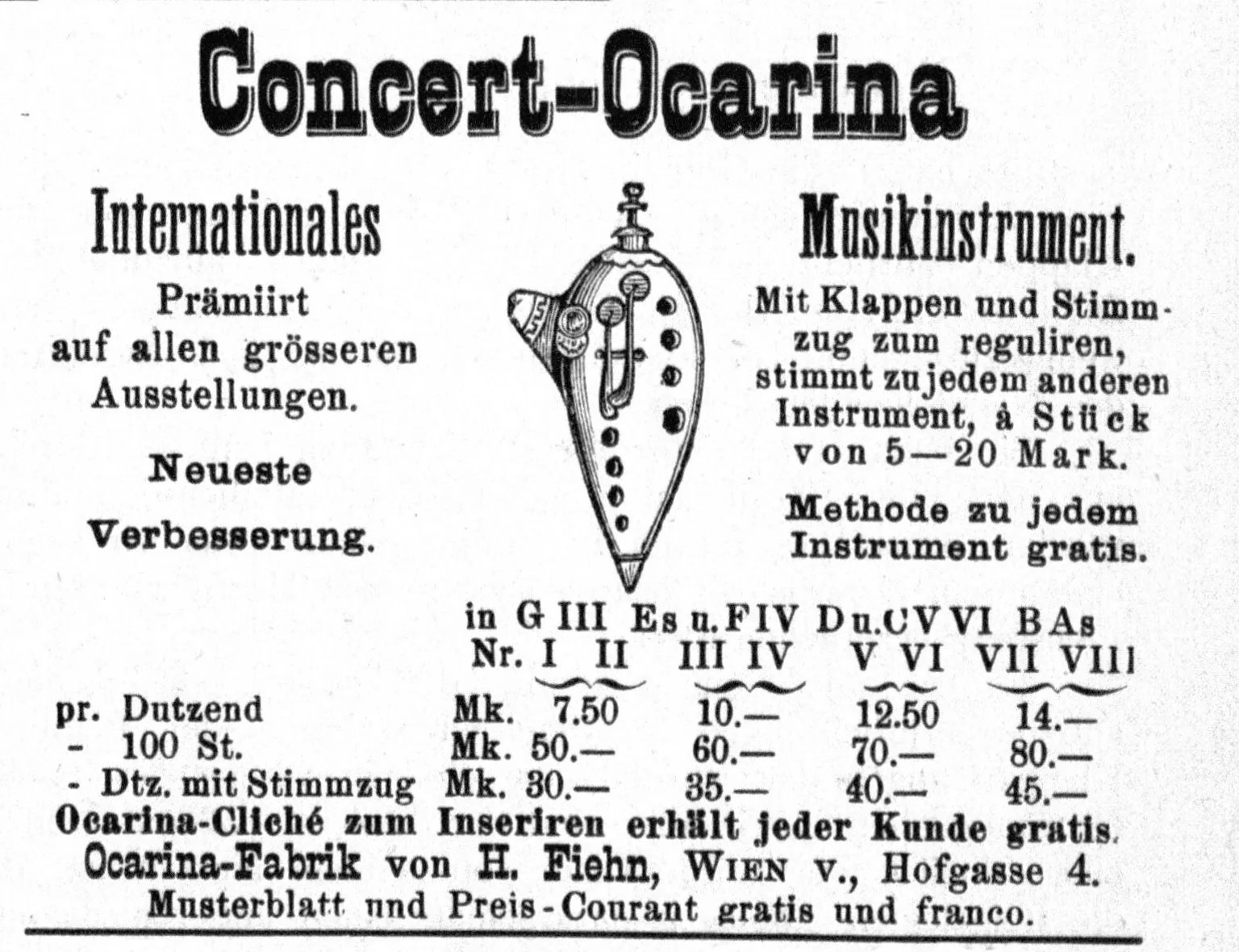
- The Runik ocarina, discovered in Kosovo, is more than 8,000 years old and has four holes.
- The Chinese xun has a similar silhouette and a long tradition of ritual use.
- Clay remains the preferred material for this type of object in many cultures.
“Globular flutes demonstrate simple ways of harnessing human breath to create sound.”
For a more scientific overview of the remains and their analysis, read this study of ancient globular flutes.
The Birth of the Modern Ocarina in Italy
The transformation that elevated this musical toy into a true instrument took place in Budrio in 1853.
Giuseppe Donati designed a ten-hole version. This configuration allowed players to use every finger and opened the way to more complex melodies.
Donati chose the name that evoked a little goose in the local dialect. This word replaced the artisanal names used by nineteenth-century bakers and craftspeople.
Before this innovation, the object often remained a toy. One notable European predecessor was the gemshorn, carved from a chamois horn. It relied on the same simple principle of combining breath with finger holes.
“Thanks to the ingenious arrangement of the holes, musicians could now perform complex pieces.”
| Year | Innovation | Impact |
|---|---|---|
| 1853 | Donati’s 10-hole version | Standardized playing technique and extended range |
| 19th century | Adoption of the local name | Spread through popular music |
| Before 1853 | Gemshorns and musical toys | Ritual and recreational use |
Construction and Manufacturing Materials
Its construction combines shape, a beak, and a mouthpiece to produce a precise sound. The underlying principle remains that of a Helmholtz resonator: an enclosed cavity designed to resonate when the player blows into it.
Materials vary: terracotta remains prized for its warm tone. Ocarinas can also be made from porcelain, wood, bone, plastic, metal, or even worked plant materials.
The ovoid shape maximizes resonance, while the central beak directs the airflow. The number of holes, generally between 4 and 12, determines the range available to the musician.
- A design based on the Helmholtz principle for a pure tone.
- Materials selected for their tonal color and durability.
- A calibrated mouthpiece for precise breath control.
“The quality of the shaping and windway completely changes the instrument’s tonal personality.”
For more practical details, read this construction guide.
An Overview of the Different Types of Ocarinas
Several families can be distinguished by their shape and the arrangement of their holes. These variations affect range, handling, and tone.
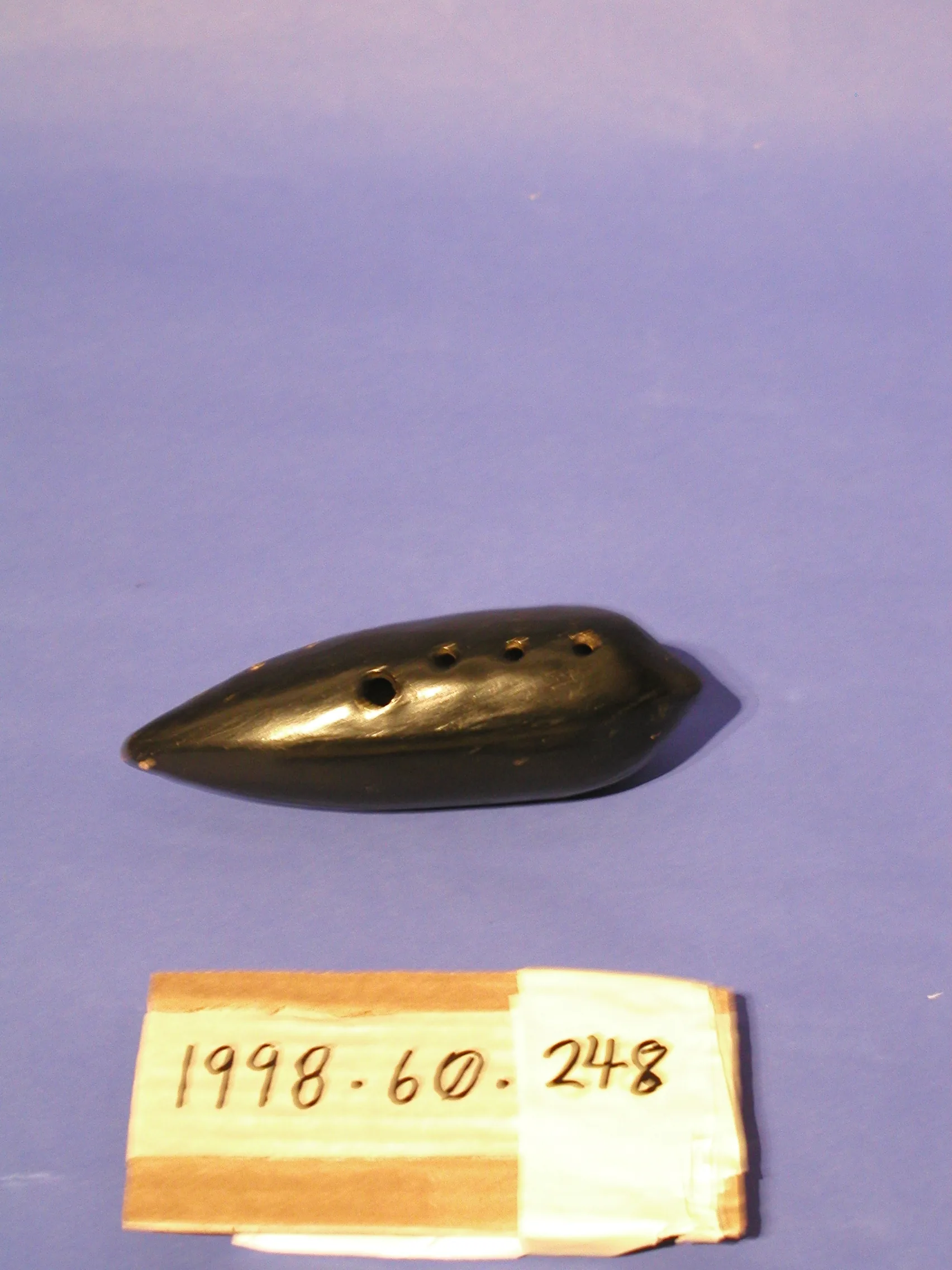
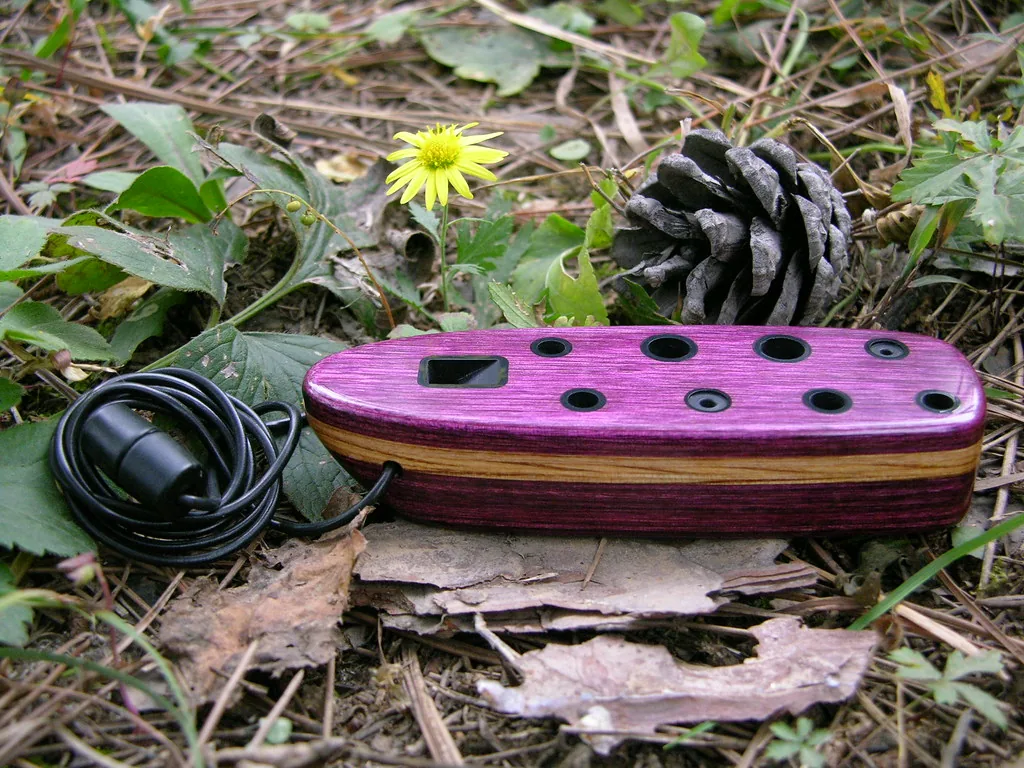
Transverse Models
The transverse model is held horizontally and played with both hands. It is the most common type and allows players to move comfortably from one note to the next.
Pendant Models
Pendant ocarinas are small and easy to carry. Despite their size, they have a mouthpiece and enough holes to play genuine melodies.
Multi-Chamber Models
Multi-chamber instruments, including double and triple models, offer a wider range of harmonic possibilities.
They contain several mouthpieces and cavities, making it possible to produce chords and richer tonal colors.
- Transverse model: ergonomic and comfortable for melodic playing.
- 12 holes (1928): Takashi Aketagawa extended the range with a twelve-hole version.
- Multi-chamber models: harmonic richness and polyphonic playing.
“The arrangement of the holes guides the musician through a variety of registers, from low to high.”
To understand construction variants and their effect on sound, read this construction guide.
The Instrument in Popular Culture and Classical Music
The instrument’s modern fame owes as much to video games as it does to composers’ experiments. The worldwide success of The Legend of Zelda: Ocarina of Time introduced it to millions of players. At the same time, contemporary composers incorporated its distinctive tone into concert works.
György Ligeti included four ocarinas in his Violin Concerto (1990–1993). Their use creates novel textures that blend simple timbres with orchestral complexity.
On screen, the instrument often appears molded from terracotta, although metal and plastic versions can also be seen in films and television series. Multi-chamber models require precise movements: players may need to shift the mouthpiece to change cavities.
- Popularity through Zelda
- Presence in classical music (Ligeti)
- Various materials: terracotta, metal, plastic
| Setting | Function | Practical note |
|---|---|---|
| Popular culture | Video-game icon | Media exposure |
| Classical music | Orchestral color | Advanced techniques |
| Production | Various materials | The holes and shape affect the sound |
For further information, read this ocarina overview.
Conclusion
Its history shows how a simple ovoid shape found its way onto stages and into homes. From its ancient roots to the version standardized by Donati, the ocarina has earned a place in both popular and classical music.
The reference to a “little goose” illustrates a strong cultural connection. Modern models, which may have as many as twelve holes, offer an astonishing range of possibilities for amateurs and stage performers alike.
If you would like to explore its story in greater depth, read this dedicated overview of its history and origins. We hope this guide has helped you better understand this timeless musical object.