
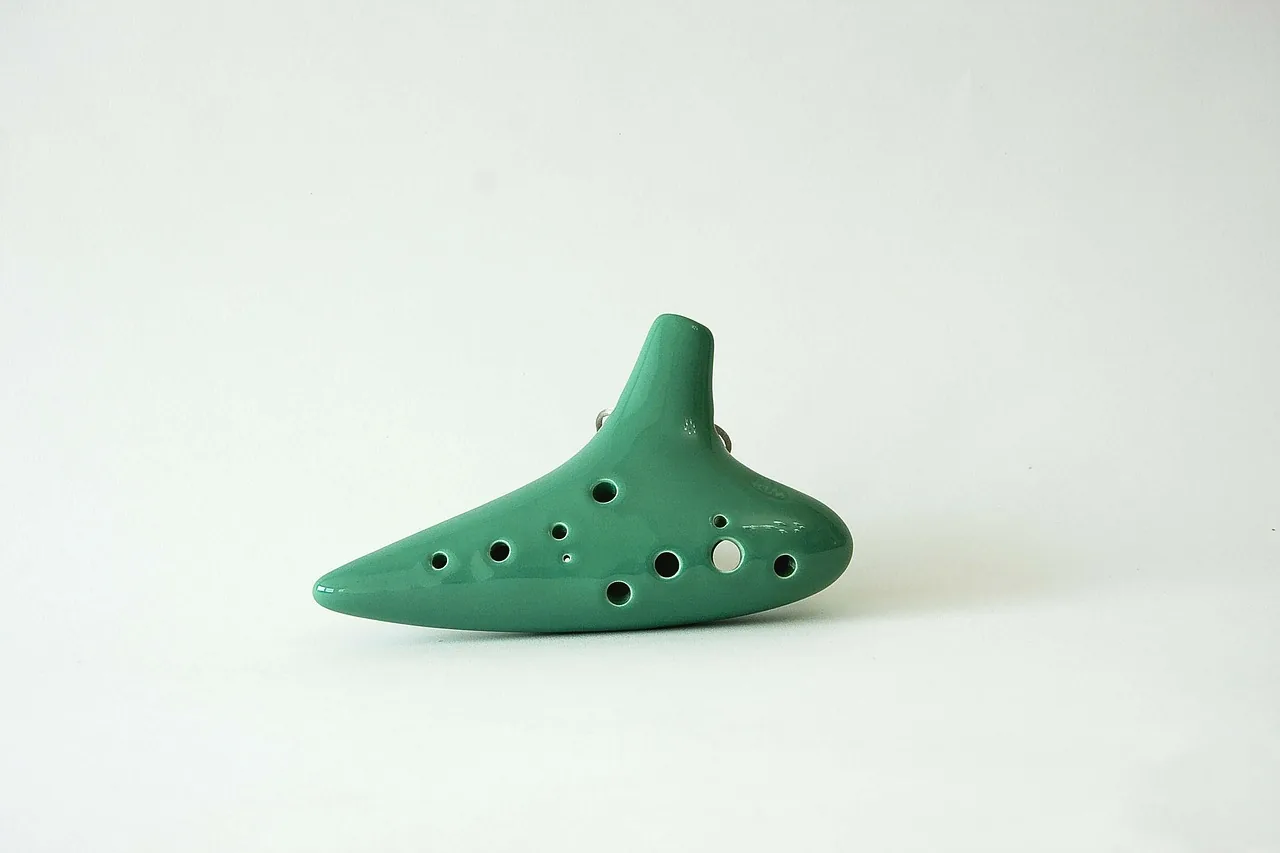

One breath, one story. This article is a clear guide for beginners looking to make a reliable first purchase. Popularized by games such as Zelda, the ocarina is once again finding a place in the lives of music lovers and collectors.
Be careful: nearly 20% of buyers report tuning problems with low-cost models. This can make learning a long and frustrating process for beginners.
To limit the risks, choose recognized brands such as STL Ocarina or Musique de Terre. These makers offer better accuracy and quality that makes it easier to progress.
This guide will help you make the right choice, identify counterfeits, and understand the essential technical criteria for a durable first investment.
An introduction to the world of the ocarina
From the pre-Columbian world to our modern pockets, this wind instrument has endured through the ages.
The story begins more than 12,000 years ago, when the Maya were already using such instruments in sacred ceremonies.
Redesigned by Giuseppe Donati in 1853, the ocarina remains a distinctive instrument. Its globular chamber produces a clear tone. Players appreciate its simplicity and portability.
Its modern popularity grew thanks to the iconic soundtrack of The Legend of Zelda: Ocarina of Time. To learn more about the influence of contemporary compositions, read this soundtrack analysis.
- Origin: Maya rituals and ancient craftsmanship.
- Materials: ceramic, wood, and modern plastic.
- Uses: portable music-making, education, and recreation.
| Period | Material | Use |
|---|---|---|
| Antiquity (12,000 years ago) | Ceramic | Ceremonies |
| 1853 | Modernized design | Education |
| Present day | Plastic and handcrafted materials | Portable recreation |
Ocarina musical instrument: what you need to know before buying
From the clay of ancient workshops to models inspired by pop culture, its journey is remarkable.
Ancient origins
Giuseppe Donati redesigned the instrument in 1853, giving it a standardized form that helped it spread across Europe.
The earliest ceramic examples were used in rituals and already reflected a search for a particular tone. Craftsmanship remains crucial to accurate tuning and harmonic richness.
Modern popularity and cultural influence
Recent ceramic and plastic models often feature designs inspired by video games and pop culture.
Recognized brands such as STL Ocarina and Musique de Terre publish guides to help players choose their first model.
| Criterion | Ceramic | Plastic |
|---|---|---|
| Tone | Warm and rich | Clearer and more uniform |
| Range | Varies with the shape | Often standardized |
| Recommended use | Concerts and collecting | Learning and portable practice |
Understanding the different hole configurations
Each hole configuration opens up specific melodic possibilities.
The twelve-hole model is the standard choice for many players. It offers a chromatic range of about 1.5 octaves, making it ideal for more complex pieces.
Compared with six-hole models, it provides access to a wider range of notes. Compositions requiring alternating semitones therefore become playable.
Advantages of the twelve-hole model
Proper technique requires covering the holes with the pads of your fingers to produce accurate notes. This reduces air leaks and improves sound quality.
Beginners often choose this model for its versatility, despite its slightly steeper learning curve. Choosing a good model is a wise investment if you want to progress quickly.
- More notes: an extended scale for playing chromatic passages.
- Wider range: about 1.5 octaves for creating varied moods.
- Quality requirement: perfectly calibrated holes to prevent leaks.
As you explore the different types of ocarina, remember that the number of holes and the precision with which they are made determine the instrument’s range and melodic complexity. To explore reliable types and configurations, see this overview of ocarinas.
Analysis of manufacturing materials
The material affects both the sound and everyday use.
Advantages of ceramic for resonance
Ceramic models produce a warm, rich tone. On average, they are said to offer about 15 dB more volume than plastic versions.
Glazed finishes can improve resonance by up to 20%, making studio recording easier.
Bear in mind, however, that ceramic is more fragile: the risk of breakage increases by about 30%. This choice favors sound quality over durability.
Why choose plastic as a beginner
Plastic is appealing because it is lightweight, durable, and affordable. Some models, such as the Night by Noble, can withstand more than 500 hours of playing.
These models tolerate temperature changes better and are suitable for outdoor or on-the-go practice.
- Advantage: durable and practical for learning.
- Disadvantage: a more uniform tone, though sufficient for most uses.
Choosing the right range and tuning
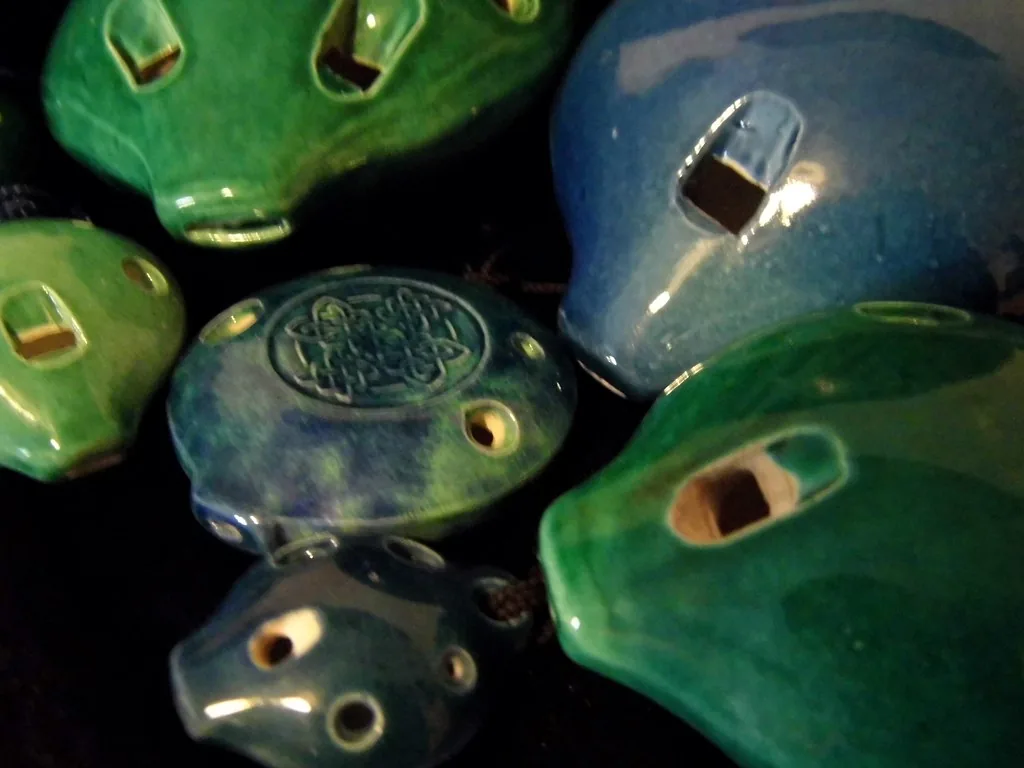
Choosing the right range profoundly changes how you play and progress.
Among beginners, nearly 85% choose an instrument tuned to C major. This is the most common key in tutorials and makes reading sheet music easier.
The range defines the span of available notes. Many models offer up to 1.5 octaves, which is enough to approach a variety of pieces.
Your choice of tuning—C, G, or F—depends on the repertoire you want to play. If you plan to play with other musicians, check for an A440 tuning certificate: it is a sign of quality and accurate intonation.
Twelve-hole models remain recommended for their extended range. They make it easier to learn scales and access chromatic notes.
For a first ocarina suited to your goals, read our advice and compare the different types before making your final choice. See our guide: Choosing your first ocarina
Comparison of recognized brands
Recognized brands stand out through the quality of their tuning and finishes.
STL Ocarina and its varied ranges
STL Ocarina offers more than 300 models.
Many include an A440 tuning certificate, which is useful for playing accurately in an ensemble.
The range includes models for beginners and advanced players.
Plastic versions offer good durability, while ceramic instruments prioritize tone.
Musique de Terre and artisanal excellence
Musique de Terre, recognized as a Living Heritage Company, emphasizes craftsmanship.
Its multichamber Triple C3 model extends the range across several octaves and produces richer notes.
Handcrafted and exclusive models
Handcrafted instruments offer carefully executed finishes and precise tuning.
The budget required for a quality piece varies; exceptional finishes can cost up to €210.
Favor established brands to reduce the risk of counterfeits, which is estimated at 60% online.
Twelve-hole models remain an excellent choice for beginners because they balance ergonomics with musical possibilities.
| Brand | Strengths | Indicative price |
|---|---|---|
| STL Ocarina | Wide selection, A440 tuning, plastic or ceramic options | €30–€180 |
| Musique de Terre | Craftsmanship, multichamber Triple C3, refined finishes | €90–€210 |
| Local artisan | Unique finishes, custom tuning | €120–€210 |
To explore the benefits of ceramic and handcrafted models in greater depth, read our guide to the ceramic ocarina.
Tips for starting with good technique
Good posture and consistent daily habits can quickly transform a beginner’s playing.
Posture: hold the instrument at an angle of about 45° to maintain a steady breath. This produces a clearer sound and supports accurate intonation.
Cover the holes completely with the pads of your fingers. This grip reduces air leaks and improves note quality.
Practice for 15 minutes a day. Play scales and articulation exercises while saying “too” or “doo”, then record your sessions.
Recording: listening back reveals out-of-tune notes and helps you target corrections.
- Use reliable tutorials, such as those from STL Ocarina, to learn basic techniques.
- Choose an ergonomic model suited to your hand to make complex fingerings easier.
- Consistency is key: short, regular sessions produce the best results.
“Mastery comes from purposeful repetition.”
The importance of tuning and ergonomics
Accurate notes and a comfortable grip have a lasting effect on your enjoyment of playing.
Ergonomics and playing comfort
Accurate tuning is essential: nearly 20% of buyers report tuning problems with low-end models. Poor accuracy complicates learning and diminishes playing quality.
Choose a model whose shape suits the anatomy of your hand. A stable grip reduces tension and helps prevent pain during long sessions.
Ceramic instruments offer a richer tone, but their weight requires a firm grip. Control the air pressure: every note should be produced with a steady breath to maintain accurate intonation.
Check the tuning once a month with an app such as Tuner T1. This simple step preserves sound quality over time and provides a better playing experience.
“An ergonomic model lets you focus on expression rather than fatigue.”
To practice fingerings and check the hole layout, consult this six-hole fingering guide. Good ergonomics combined with reliable tuning makes all the difference.
Guide to avoiding online counterfeits
To protect your enjoyment of playing, learn to recognize the signs of a counterfeit before completing your purchase.
Nearly 60% of products sold on general-purpose marketplaces are claimed to be copies. They impair tuning and make learning frustrating. Be wary of offers that seem too good to be true.
Favor recognized brands such as STL Ocarina or Musique de Terre. These makers often provide a certificate of authenticity, a serial number for ceramic instruments, and customer support.
Check customer reviews and request a tuning certificate before paying. The holes on counterfeits are often poorly calibrated, resulting in inaccurate notes.
Practical advice: avoid unusually low prices and always ask for a warranty. Reputable sellers provide after-sales support and a clear returns policy.
“Staying vigilant when buying online protects both your investment and your enjoyment of playing.”
| Criterion | Official seller | Common counterfeit |
|---|---|---|
| Certificate / serial number | Yes, included | Often absent |
| Tuning | Verified (A440) | Inaccurate |
| Customer service | Guaranteed / after-sales support | Nonexistent |
| Price | Consistent with the quality | Unusually low |
To learn more about checking the authenticity of other handcrafted objects, read our guide: how to identify an authentic Tibetan singing bowl.
Care and maintenance for a long service life
A few maintenance habits are enough to preserve excellent playing quality. Regular care protects the tuning and limits wear.
Regular cleaning
For ceramic models, use a diluted mixture of white vinegar and lukewarm water. Rinse thoroughly and leave the instrument to air-dry away from sunlight.
Clean the holes with a dedicated kit to prevent deposits that can distort notes. Plastic versions are more forgiving, but they should still be wiped after use.
Safe storage
The risk of mold increases by 40% in humid conditions. Store your ocarina in a padded, ventilated case to prevent damage.
Avoid thermal shocks and prolonged exposure to sunlight: cracks are often irreversible. Check the tuning every month to detect any changes.
| Action | Frequency | Why |
|---|---|---|
| General cleaning | After each light use / weekly | Prevents saliva and dust from accumulating |
| Cleaning the holes | Monthly | Preserves hole precision and accurate intonation |
| Tuning check | Monthly | Helps identify the effects of impacts or changes in the material |
Thorough maintenance promotes the instrument’s longevity and continued enjoyment. To discover its history and famous music associated with it, read this dedicated article.
Essential accessories for musicians
The right accessories extend the life of your ocarina and simplify daily practice.
Protection: a padded case, such as STL’s €15 model, protects against impacts. For a ceramic ocarina, choose a hard case if you travel frequently.
Maintenance: cleaning kits costing about €9 help preserve the precision of the holes and the quality of the tone. Regular cleaning prevents deposits that distort notes.
A digital tuner helps most beginners check the accuracy of each note. Simplified method books and sheet music accelerate the learning of scales and fingerings.
To take your playing further, multichamber models extend the range and make it possible to play more complex passages. A sturdy neck strap or stand keeps the instrument within reach and prevents falls.
“A good choice of accessories improves the quality of your practice and helps you sustain it over time.”
| Accessory | Use | Indicative price |
|---|---|---|
| Padded case (STL) | Everyday protection | About €15 |
| Cleaning kits | Cleaning the holes and maintaining accurate tuning | About €9 |
| Hard case | Transporting a ceramic ocarina | Depends on the model |
Conclusion
In short, making a good initial choice opens the way to years of progress and enjoyment.
Choose quality: opt for models from recognized brands such as STL Ocarina or Musique de Terre. Accurate tuning and a suitable material—plastic for durability or ceramic for tone—maximize satisfaction and help you avoid counterfeits.
Assess the range, number of holes, and your budget. Practice the basic techniques regularly and maintain the instrument to ensure a long service life. This article guides you toward the best choice and helps you join a community of enthusiasts.