
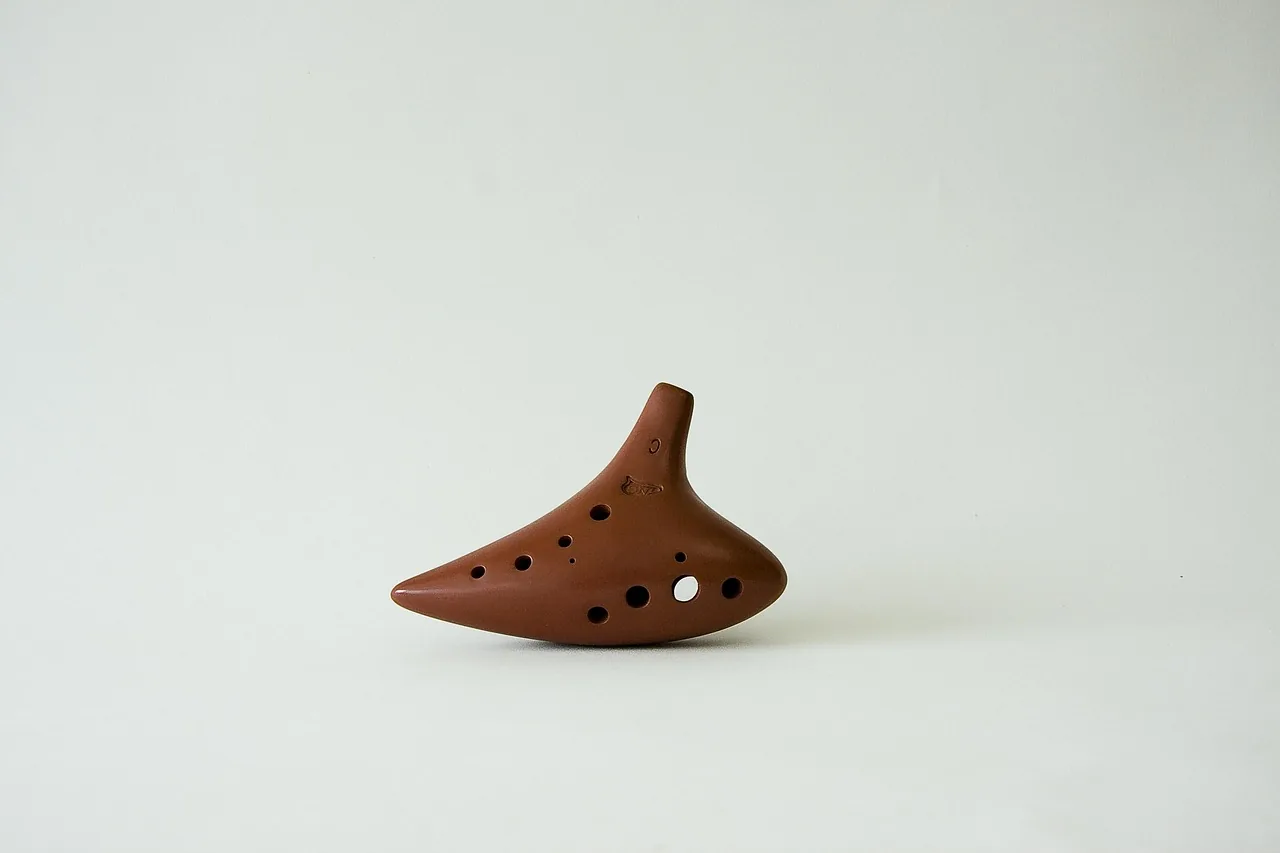

Delve into the origins of a vessel flute that has fascinated people for centuries. Officially invented in Italy in 1853 by Giuseppe Donati, the modern instrument draws on much older traditions.
Archaeological remains show that similar flutes existed in Mesoamerica, Asia, Africa, and Europe. These discoveries reveal a cultural diffusion that contributes to the ocarina’s heritage value.
In this article, we explain how this wind instrument evolved. You will learn why so many musicians appreciate its gentle tone. Each instrument bears a unique character shaped by choices of form and material.
Throughout the article, we connect ancient inventions with contemporary musical uses. The aim is to provide a clear picture of the instrument’s technical development and artistic appeal.
The ocarina: history, sound, and musical uses
The varied silhouette of this wind instrument ranges from a simple oval to figurative shapes depicting animals or objects. This visual diversity follows an acoustic logic: each form alters the resonance.
At the heart of the instrument is an enclosed, often rounded chamber that concentrates the air and produces clear notes. This design enables precise pitch control and creates a gentle tone.
In practice, the instrument is valued for its ability to carry intimate melodies in many different settings. Manufacturing techniques inherited from ancient craftsmanship help explain this acoustic quality.
On the world stage, it occupies a distinctive place: simple in appearance yet rich in expression. Its uses range from folk music to contemporary compositions, offering a surprisingly broad palette of sounds.
The ancient roots of vessel flutes
The earliest traces of small flutes with spherical chambers date back to prehistoric times. Isolated finds show that such instruments were being made long before the modern era.
African remains
In Central Africa, a 30,000-year-old clay whistle bears witness to an ancient practice. This simple object suggests that sound production already played a role in rituals or everyday interactions.
Discoveries in Europe
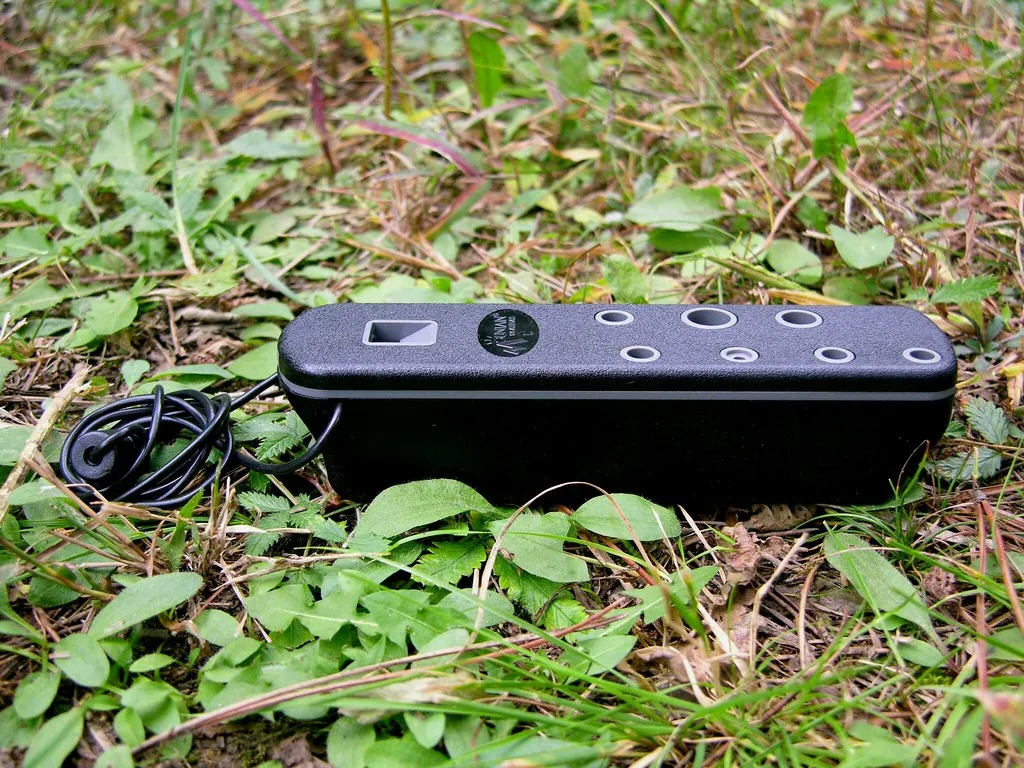
In Kosovo, the approximately 8,000-year-old Runik ocarina has four holes. This small instrument demonstrates remarkable technical skill in the Neolithic period.
- The earliest instruments could play a few notes.
- Most had four holes, enough for short ritual melodies.
- The form varied with the materials used: clay, bone, or stone.
| Region | Approximate age | Characteristics |
|---|---|---|
| Central Africa | About 30,000 years | Clay whistle, simple sound |
| Balkans (Runik) | About 8,000 years | Four holes, enclosed chamber |
| Various regions | Prehistoric period | Various materials, ritual use |
These discoveries emphasize that the desire to make music is universal. Different cultures fashioned these objects to connect the visible world with the sacred.
The influence of Mesoamerican and Asian cultures
Pre-Columbian and Asian civilizations followed parallel paths in the development of vessel flutes.
In Mesoamerica, the Maya and Aztecs made clay ocarinas, often in figurative forms. These instruments were used in ceremonies and carried melodies associated with rituals.
In Asia, the Chinese xun, which is more than 7,000 years old, proves that a similar tradition existed far from the Americas. The xun reflects a continuity in which music accompanied celebrations and solemn occasions.
- Many objects had several holes for playing a variety of notes.
- The South American ovoid form inspired other types of instruments around the world.
- Curt Sachs’s research highlights the role of the Chibcha people in Colombia between 500 BCE and 1536.
Each culture adjusted the number of holes and the shape of its instruments to enrich their melodies. The result is a family of instruments whose tonal diversity can be found throughout the world.
Giuseppe Donati’s Italian transformation
In 1853, Giuseppe Donati, a brickmaker from Budrio, transformed a simple toy into a recognized instrument. His version adopted a form resembling a goose’s head. This silhouette became the standard for modern models.
Donati added ten holes, allowing musicians to use all their fingers to play notes precisely. Before this standardization, such objects often remained small souvenirs with no artistic ambitions.
The origin of the name
The word comes from the Bolognese dialect and literally means “little goose.” The name refers to the standardized form that took the object from a pastime to the stage.
- 1853: Giuseppe Donati creates the modern design.
- 1864: the Gruppo Ocarinistico Budriese is founded to promote the instrument.
- Impact: the vessel flute becomes a concert instrument capable of taking its place alongside other classical instruments.
To learn more about this development and its spread, visit this page devoted to the instrument’s history.
Technical development and modern standardization
The technical modernization of this small vessel flute accelerated during the twentieth century.
In 1928, Japanese sculptor Takashi Aketagawa added two holes to the upper surface. This simple modification gave rise to the 12-hole model that has become the modern standard.
Practical consequences: its range extended upward, enabling musicians to reach higher notes. Standardization made the instrument easier to learn and helped it join ensembles around the world.
“A small change in form can transform a toy into a genuine musical instrument.”
The optimized form now makes it possible to perform complex melodies with remarkable accuracy. Although recorders are often less expensive, the ocarina has retained its place thanks to its unique tonal colors.
- 1928: Takashi Aketagawa adds two holes.
- Modern standard: the 12-hole model is adopted by many musicians.
- Impact: easier learning and integration into a variety of ensembles.
| Year | Innovation | Effect |
|---|---|---|
| 1853 | Giuseppe Donati standardizes the form | Ten holes, concert use |
| 1928 | Takashi Aketagawa adds two holes | 12-hole model, wider range |
| Twentieth century | Worldwide standardization | Easier learning, use in ensembles |
To learn more about its origins and spread, visit this dedicated page: the history and origins of ocarinas.
How video games shaped the instrument’s popularity
The 1998 release of a famous video game brought the vessel flute back into the spotlight. It gave the instrument worldwide visibility.
Melodies that spark curiosity
Millions of players heard simple, memorable melodies. These tunes awakened their curiosity about the instrument’s tone and the role its holes play in producing notes.
The role of popular culture
Its portrayal in the game turned the instrument into an icon. Fans sought to learn its tunes and buy real models.
Use in soundtracks
In films and games, the flute is chosen for its ethereal character. It can be heard in several films as well as in video-game and animated-production soundtracks.
- 1998: renewed worldwide interest thanks to a video game.
- Contemporary musicians reuse its tonal colors to heighten emotion.
- Video-game culture has made learning the instrument more accessible and encouraged its wider adoption.
| Medium | Effect | Example |
|---|---|---|
| Video games | Worldwide visibility, new playing practices | A game released in 1998 |
| Film | Mystical atmosphere, dramatic emphasis | Animated-production and film soundtracks |
| Independent music scene | Renewed interest among amateur musicians | Online covers and tutorials |
To explore artisans’ expertise and the distinctive features of their instruments, discover these handcrafted models.
Manufacturing materials and their acoustic influence
Each material shapes the warmth, projection, and sustain of the notes produced.
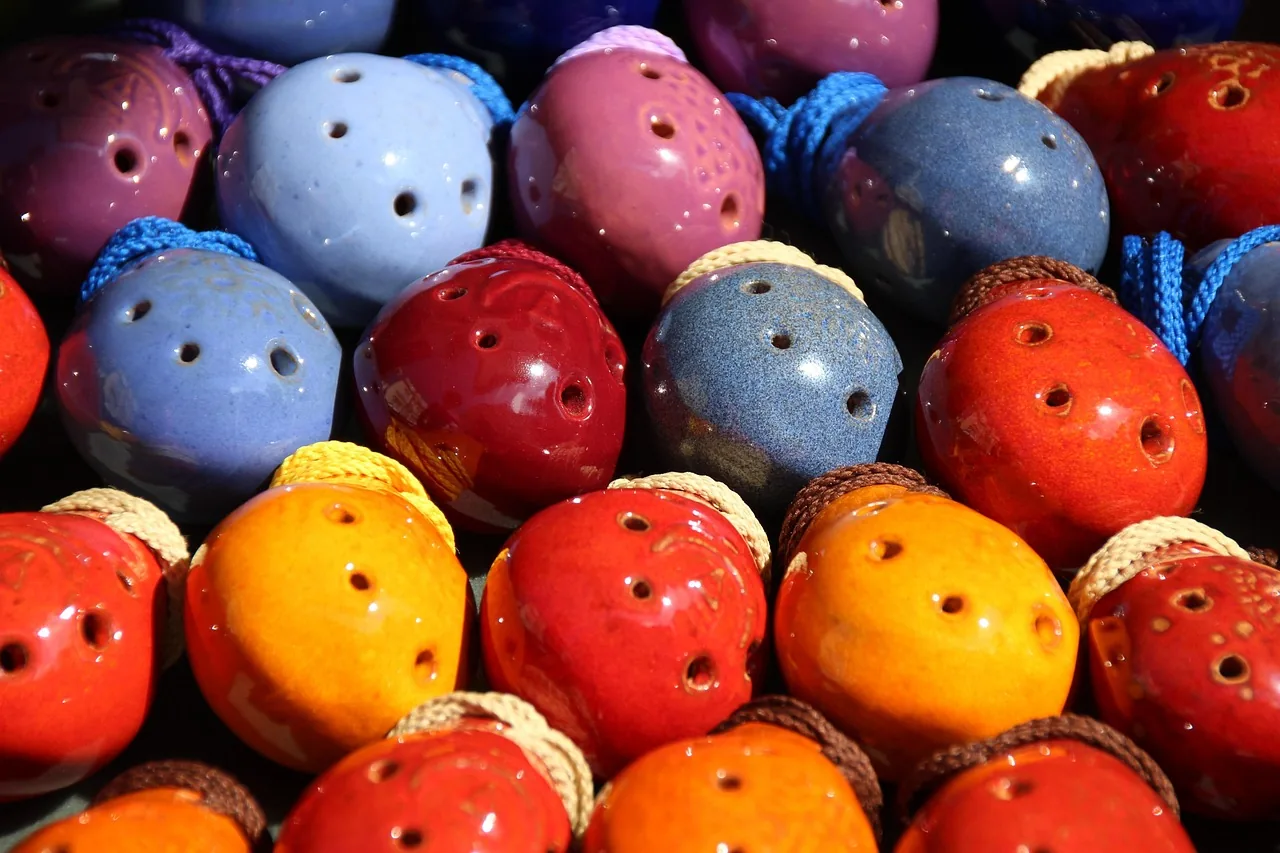
Ceramic provides warm, stable resonance. Terracotta and porcelain models appeal to musicians for their classic tone.
Wood produces a softer, earthier color. Wooden ocarinas often require regular care, but they offer plenty of character.
Plastic remains a practical material for travel. Lightweight, durable, and affordable, it is ideal for beginners.
- Metal produces bright, powerful sounds that work well outdoors.
- The material influences the form, durability, and accuracy of the notes obtained through the holes.
- Manufacturing precision is essential for producing notes that are in tune.
| Material | Tonal color | Recommended use |
|---|---|---|
| Ceramic | Warm, clear | Concerts, studio recording |
| Wood | Soft, earthy | Intimate performances |
| Plastic | Neutral, practical | Travel, learning |
| Metal | Bright, powerful | Outdoor playing, effects |
To better understand ocarina acoustics, visit this page explaining how materials affect chamber vibration and the arrangement of the holes.
Masterful craftsmanship determines the accuracy and beauty of the sound.
Tips for choosing and buying your first instrument
A good first choice strikes a balance between comfort, tone, and ease of playing.
Start with a specialist retailer. Choose a recognized seller such as Instruments du Monde, which offers more than 80 models. Buying from a specialist reduces the risk of unpleasant surprises.
The advantages of multichamber models
Multichamber models build on innovations introduced after the work of Giuseppe Donati.
They make it possible to play across several octaves. Musicians can therefore tackle richer melodies with less transposition.
- Check the number of holes: a 12-hole model offers remarkable versatility for playing a wide range of notes.
- Examine the form: an ergonomic design ensures a comfortable grip.
- Choose the material according to your intended use: ceramic, wood, and porcelain all influence the color of the sound.
Investing in a good instrument improves listening skills and encourages progress. Such an object remains a prized addition to an enthusiast’s collection, even though some models are hard to find in stores.
| Model | Holes | Octaves | Materials | Recommended use |
|---|---|---|---|---|
| 12-hole beginner model | 12 | 1.5 | Plastic | Learning, travel |
| Professional multichamber model | 12+ | 3+ | Ceramic/porcelain | Concerts, studio recording |
| Wooden model | 10 | 1.25 | Wood | Intimate performances |
“A well-chosen instrument makes you want to play more.”
To compare options for your budget and skill level, explore this selection of the best models for beginners.
Conclusion
Across cultures, this instrument has continually reinvented itself while retaining its distinctive identity and unique place in music around the world.
From ancient pottery to modern multichamber models, the evolution led first by Donati and later by contemporary craftspeople reflects technical advances in form and manufacturing precision.
For musicians, mastering breath control and finger placement over the holes makes it possible to produce richly nuanced notes. The instrument remains popular for its charm and simplicity.
If you would like to explore its contemporary revival in greater depth, read this article about the instrument’s resurgence and modern use: reviving traditions.
We hope this guide helps you understand why the instrument continues to fascinate people and attract new generations of musicians.