
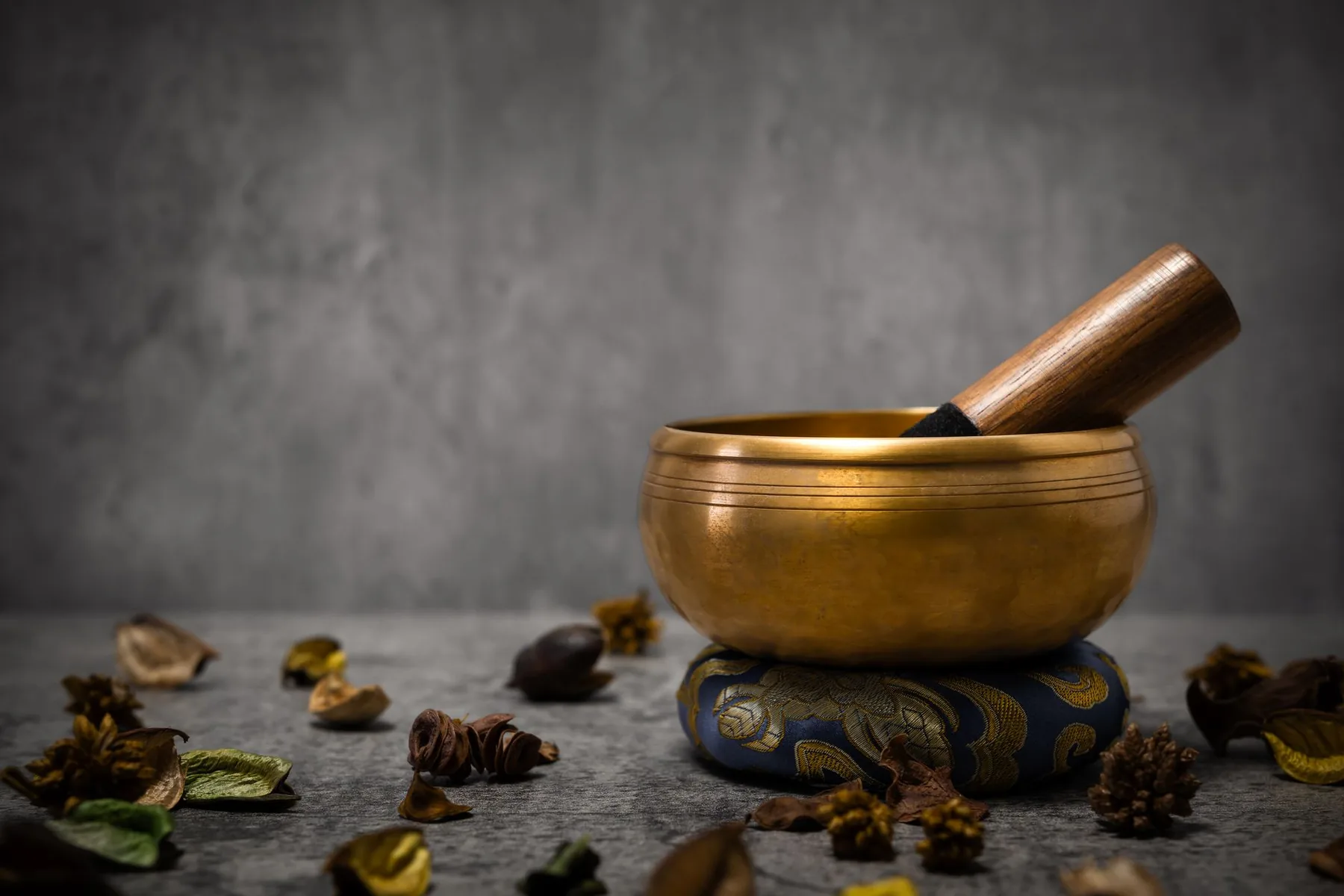

Tibetan singing bowls are fascinating instruments that have been used for centuries for their acoustic and spiritual properties. Your choice depends on several criteria, with the material playing an essential role. Both durability and the user experience are directly linked to the material selected.
There are two main options: metals and crystal. Each has its own characteristics in terms of tradition, sound quality, and maintenance. For example, metal singing bowls are often favored for their authenticity, while crystal bowls offer unique sound clarity.
This guide will help you make the right choice, taking your specific needs and budget into account. With more than 10 years of experience, Instruments du Monde can guide you through this important decision.
Introduction: understanding the importance of choosing the right material
The choice of material has a profound influence on the experience provided by a Tibetan singing bowl. Whether it is used for meditation or energy work, the material determines its sound quality, weight, and therapeutic effectiveness.
More than 10 years of experience with different models shows that the material plays a central role in the vibrational experience. The differences between handcrafted and industrial production are also fundamental.
“I have tested more than 200 models since 2010, and the material has always been the deciding factor.”
Yet 70% of beginners make the wrong choice when purchasing their first bowl.
Here is a comparison table to help you understand the differences:
| Aspect | Handcrafted | Industrially manufactured |
|---|---|---|
| Sound | Rich and deep | Clear and precise |
| Weight | Heavier | Lighter |
| Use | Ideal for meditation | Suitable for energy work |
Choosing the right material is essential to maximize the benefits of your Tibetan singing bowl. Take the time to consider your needs before making your choice.
Metal Tibetan singing bowls: tradition and durability
For centuries, artisans have passed down the expertise required to create metal bowls. These handcrafted instruments are the product of an ancient tradition. Their unique alloy, composed of 7 to 12 metals, gives them exceptional sound quality.
How metal bowls are handcrafted
Each bowl is hammered by hand for several hours in a process requiring patience and precision. Passed down through 7 generations, this technique ensures a perfect shape and harmonious vibrations. The varied alloys, which include gold, copper, and silver, add an authentic touch.
Advantages of metal bowls
- Warm, rich tones that are ideal for meditation.
- Lightweight and easy to handle.
- Can be customized with engravings such as mantras.
Potential drawbacks
Despite their many advantages, metal bowls can have a few drawbacks. The risk of oxidation means that they require regular maintenance. Some models also contain traces of heavy metals such as lead or mercury. It is therefore essential to check their quality before purchasing.
To learn more about metal bowls, explore this resource on Tibetan singing bowls. Models vary considerably, so there is an option for every budget.
Crystal Tibetan singing bowls: modernity and precision
The sound clarity of crystal bowls makes them a popular choice. These industrially manufactured instruments stand out for their precision and pure tone. They are often used in sound therapy for their purported ability to align the chakras.
How crystal bowls are manufactured
Crystal bowls are made from silica melted at 4,000°C and mixed with mineral additives. This process delivers exceptional sound quality, with frequency accuracy of ±1 Hz. Their average weight is 1.2 kg for a diameter of 15 cm.
Advantages of crystal bowls
- Pure sound, ideal for frequencies of 432 Hz and 528 Hz.
- Compatible with crystal healing practices, enhancing their purported energetic effects.
- A modern appearance suited to a variety of settings.
Limitations of crystal bowls
Despite their advantages, some crystal bowls have drawbacks. Their fragility requires careful handling, and their price can be high, often exceeding €100. Their weight can also make them less convenient to transport.
“Crystal bowls offer unrivaled sound clarity, but their fragility requires special care.”
| Aspect | Crystal bowls |
|---|---|
| Sound purity | Exceptional |
| Fragility | High |
| Cost | €100 and above |
In conclusion, crystal bowls are an excellent choice for anyone seeking precise sound quality and a modern appearance. However, their fragility and cost should be considered before purchasing.
Comparing the sounds of metal and crystal
A comparison of the sounds produced by metal and crystal reveals significant differences. The vibrations produced by each material offer unique experiences suited to specific needs.
Spectral analysis shows that metal bowls generate up to 5 harmonics, creating a rich, deep atmosphere. Crystal bowls, by contrast, produce only 2 harmonics and stand out for their sonic precision.
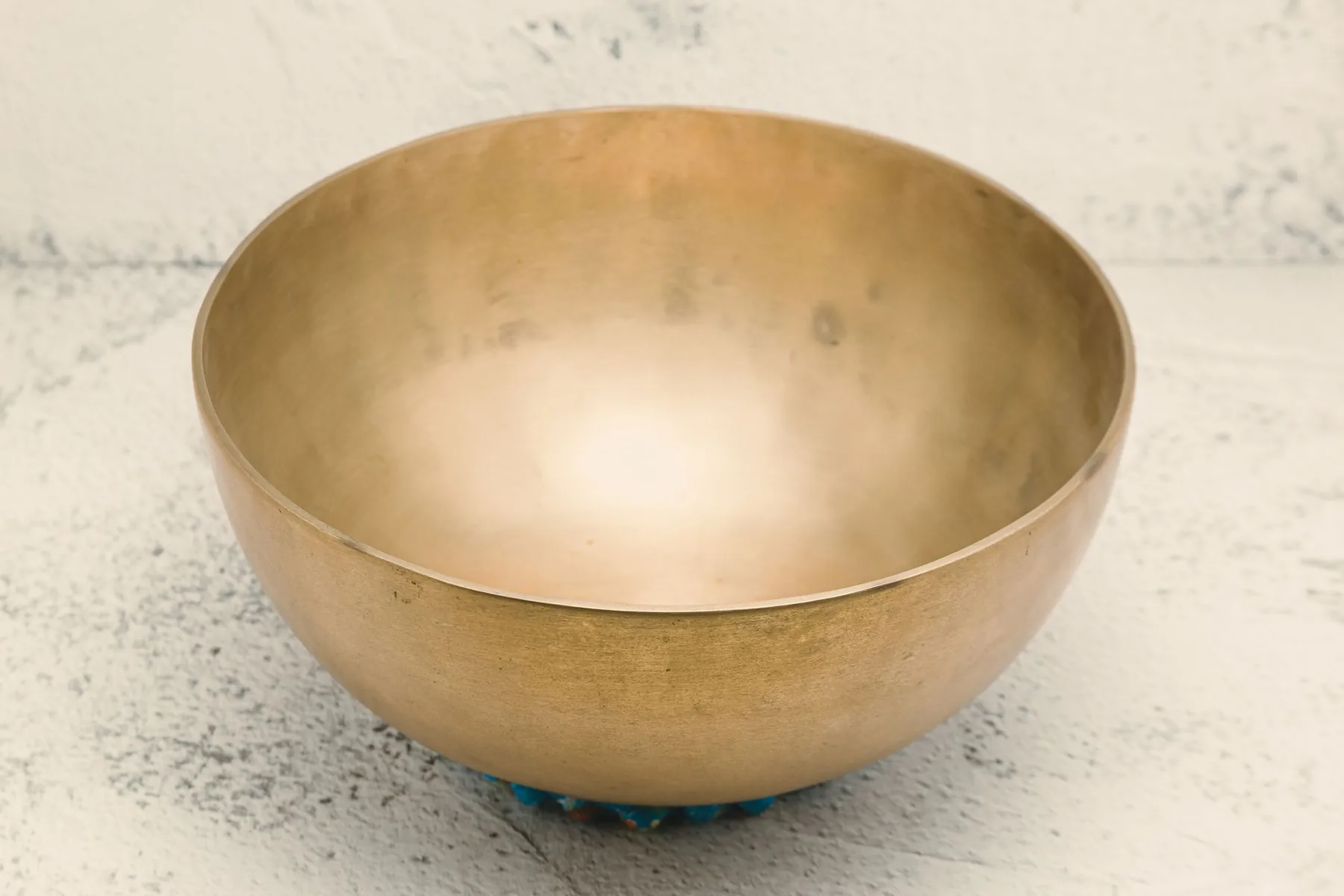
In terms of sound level, metal bowls average 75 dB, while crystal bowls remain at 68 dB. This difference affects the duration of their vibrations: 45 seconds for metal versus 60 seconds for crystal.
- Depth and precision: metal is ideal for an immersive atmosphere, while crystal is suited to precise targeting.
- Versatility: metal is versatile, while crystal specializes in chakra alignment.
“I use both for complementary effects: metal for meditation and crystal for energy work.”
For an in-depth analysis, testing the sounds with a brainwave analyzer is recommended. This makes it possible to measure their impact on sound quality and their therapeutic effectiveness.
Therapeutic benefits by material
The benefits of Tibetan singing bowls vary according to their composition. Each material, whether metal or crystal, offers specific benefits for the body and mind. These instruments are widely used for meditation and energy work, but their effects differ depending on how they are made.

The effects of metal bowls on the body and mind
Metal bowls are renowned for their deep, soothing vibrations. A 2021 study found a 37% reduction in stress through their use. Their warm tones act on muscle tension and improve blood circulation.
- Reduction in joint and muscle pain.
- Improved relaxation and recovery.
- Ideal for immersive meditation.
The energetic properties of crystal bowls
Crystal bowls, meanwhile, stand out for their sonic precision. They are often used to align the chakras, with each note corresponding to a specific chakra. Their clarity is said to promote harmonious, focused energy.
- Precise chakra alignment.
- Compatible with crystal healing practices.
- Avoid in cases of chronic migraines.
| Aspect | Metal bowls | Crystal bowls |
|---|---|---|
| Main effect | Deep relaxation | Energy alignment |
| Use | Meditation | Chakra work |
| Contraindications | Few side effects | Chronic migraines |
To learn more about the therapeutic effects of singing bowls, read this comprehensive research resource. With a recommended routine of 15 minutes per day at a distance of 40 cm from the ears, these instruments could transform your well-being.
Which material should you choose for a durable Tibetan singing bowl? Factors to consider
Several criteria should guide your decision to ensure the best possible experience. Durability and intended use are key factors to consider. Metal bowls, for example, have an average lifespan of 20 years, compared with 10 years for crystal bowls.
Annual maintenance costs are another important factor. Maintaining a metal bowl costs around €5 per year, while a crystal bowl can cost up to €15 per year. These differences affect the overall budget and should be assessed according to your needs.
To help you make the right choice, here is a decision-making guide:
- Frequent use: choose a metal bowl for its robustness.
- Occasional use: consider a crystal bowl for its sonic precision.
Here are 5 points to check before deciding:
- Frequency of use
- Portability
- Sound sensitivity
- Budget
- Personal sound preferences
Be aware that counterfeit products account for 30% of the market. To avoid unpleasant surprises, choose established brands such as Instruments du Monde, which offers a 10-year warranty.
| Aspect | Metal bowls | Crystal bowls |
|---|---|---|
| Lifespan | 20 years | 10 years |
| Annual maintenance cost | €5 | €15 |
| Robustness | High | Moderate |
In conclusion, your choice depends on the purpose you have in mind for the bowl and on your expectations. Take the time to assess each criterion so that you can get the most from your investment.
Size and weight: key factors in your decision
The size and weight of a Tibetan singing bowl play an essential role in its use and transport. These criteria affect not only its practicality but also the sound and therapeutic experience.
Standard diameters range from 8 cm to 30 cm. A diameter of 12 to 15 cm is often recommended for beginners. This size offers a good balance between ease of handling and sound quality.
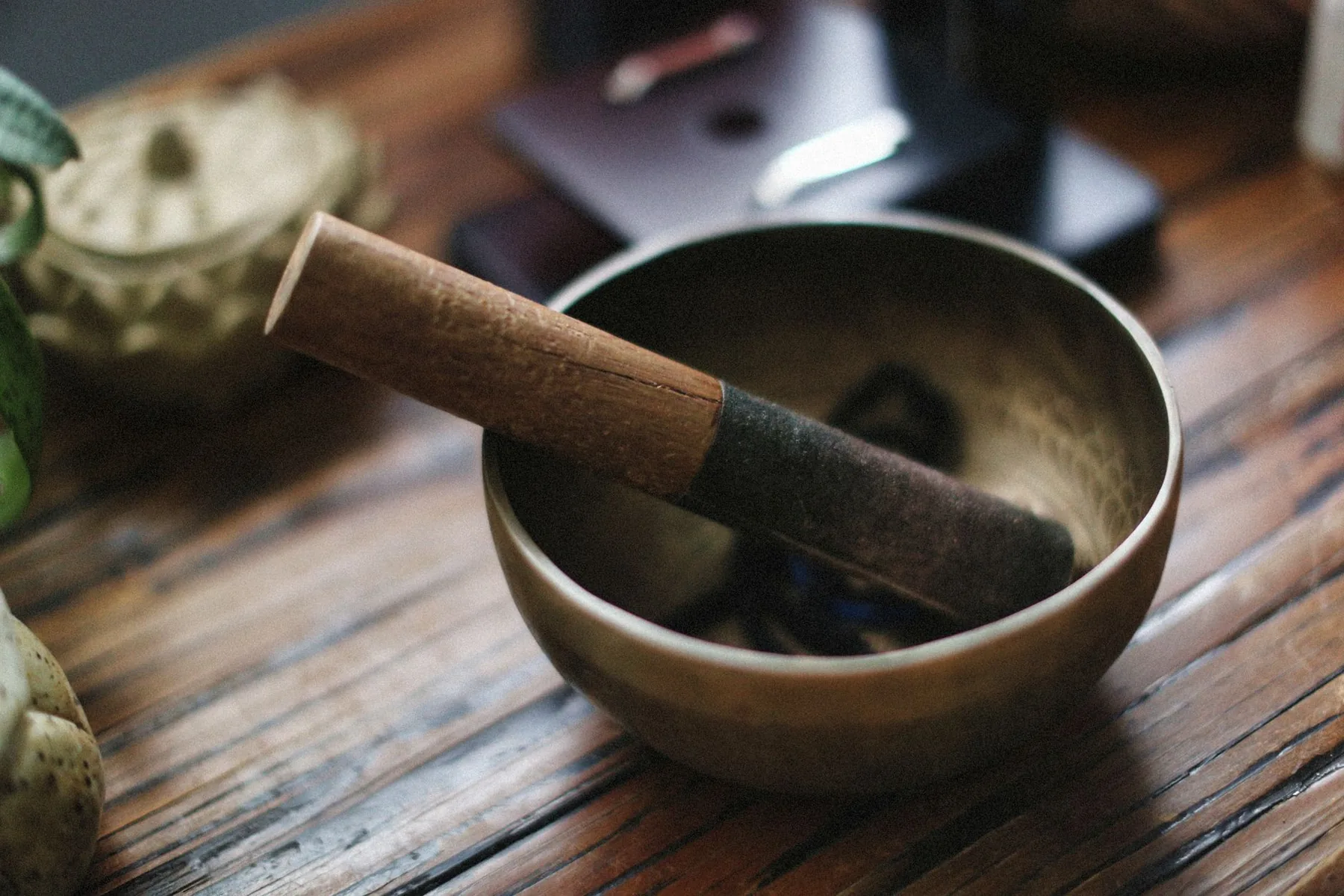
Weight is another important factor. Metal bowls weigh between 200 g and 5 kg, while crystal bowls weigh between 500 g and 8 kg. An ideal ratio for comfortable practice is 1 kg per 15 cm of diameter.
A lightweight bowl is preferable for extended use. Bowls that are too heavy can cause fatigue during sessions lasting more than 30 minutes. For transport, padded cases or rigid supports are recommended to protect the instrument.
A recent innovation is the introduction of foldable titanium bowls, patented in 2023. These models combine a lightweight design with easy portability, making them ideal for practitioners on the move.
| Aspect | Metal bowls | Crystal bowls |
|---|---|---|
| Diameter | 8 cm to 30 cm | 8 cm to 30 cm |
| Weight | 200 g to 5 kg | 500 g to 8 kg |
| Transport | Padded cases | Rigid supports |
In conclusion, size and weight are essential criteria for getting the most from your Tibetan singing bowl experience. Take the time to select a model suited to your needs and lifestyle.
The importance of note and frequency
The note and frequency of a Tibetan singing bowl play a key role in its therapeutic effectiveness. These factors determine not only its sound quality but also its impact on the chakras and meditation.
The standard bowl range extends from C (256 Hz) to B (492 Hz). This range allows for a wide variety of uses suited to specific needs. Crystal bowls, with an accuracy of ±0.5 Hz, offer unrivaled sound clarity, while metal bowls, with an accuracy of ±5 Hz, produce a richer tone.
The following table details the correspondence between notes and chakras:
| Note | Chakra |
|---|---|
| C (256 Hz) | Root |
| E (329 Hz) | Solar plexus |
| A (440 Hz) | Heart |
Therapeutic frequencies such as 528 Hz, known as the “miracle” frequency, and 432 Hz, known as the “natural” frequency, are especially popular. They are believed to promote relaxation and energy alignment.
Two tuning options are available: professional tools, which are more accurate, and mobile apps, which are more accessible. A case study found that a 40-day routine at 174 Hz improves grounding and emotional stability.
“A comparative audio recording makes it easier to understand the differences between frequencies and their impact on well-being.”
In conclusion, note and frequency are essential factors in maximizing the benefits of a Tibetan singing bowl. Take the time to select a model suited to your specific needs.
Appearance: a criterion that should not be overlooked
A Tibetan singing bowl’s appearance determines its visual appeal and how well it fits into your space. According to a recent study, 63% of users consider appearance a key factor in their choice. Artisans take pride in creating unique pieces that blend tradition with modernity.
Engraving techniques vary by material. Acid etching creates deep, durable patterns on metal bowls, while laser engraving offers extreme precision. Crystal bowls may feature mineral inclusions or UV coloring for a striking visual effect.
Trends for 2024 highlight sacred geometric patterns inspired by spiritual traditions. These designs add a contemporary touch while respecting the cultural heritage of Tibetan singing bowls.
Here are a few tips for preserving your bowl’s shine:
- Use protective wax on metal to prevent oxidation.
- Choose padded cases to protect delicate engravings.
- Avoid exposing crystal bowls to direct sunlight for extended periods.
Collectors can find bowls signed by Nepalese masters. These exclusive pieces combine ancestral expertise with contemporary design, making them unique decorative objects.
| Option | Metal | Crystal |
|---|---|---|
| Engraving techniques | Acid, laser | Mineral inclusions, UV coloring |
| 2024 trends | Sacred geometric patterns | Sacred geometric patterns |
| Care tips | Protective wax | Avoid direct light |
In conclusion, the aesthetic appearance of a Tibetan singing bowl is an essential consideration if it is to fit harmoniously into your living or meditation space. Take the time to choose a model that reflects your style and aspirations.
Conclusion: make the right choice for a durable Tibetan singing bowl
Selecting your instrument carefully is essential for an optimal experience. Take the time to assess the key criteria: sound, durability, and intended use. These factors ensure the right sound quality and lifespan for your needs.
We invite you to try our models at our Strasbourg store. This hands-on trial will allow you to feel the vibrations and choose with confidence. Download our complete PDF guide free of charge for additional guidance.
Avoid impulse purchases. A carefully considered choice will bring greater satisfaction. Use our interactive online comparison tool to find the ideal model.