
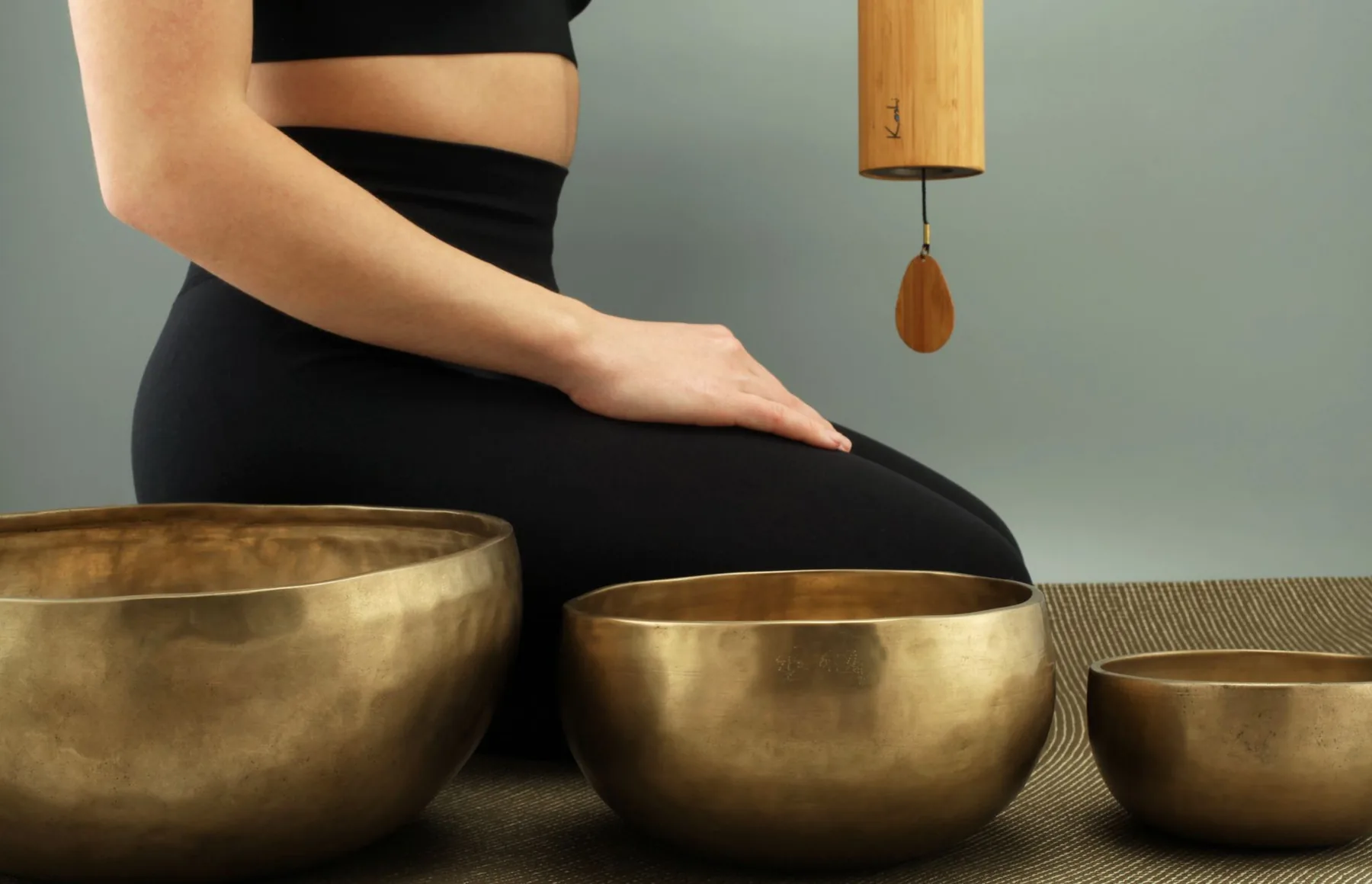

The unique vibrations of a Tibetan singing bowl can transform your daily life. They act on the body and mind, promoting a profound sense of well-being. Whether used to meditate, relax, or simply regain your focus, this ancient instrument can produce impressive results.
A Nepalese study found a 68% reduction in stress among regular users. These vibrations harmonize energy and soothe the nervous system. They fit perfectly into practices such as yoga and mindfulness.
Discover how this tool can improve your quality of life. To learn more, read our complete guide to using a Tibetan singing bowl.
Introduction to Tibetan singing bowls
Tibetan singing bowls are ancient instruments with a rich and fascinating history. Used for thousands of years, they are much more than simple objects. They embody a unique spiritual and artisanal tradition passed down from generation to generation.
Origins and history of Tibetan singing bowls
The origins of Tibetan singing bowls are said to date back to around 5,000 BCE among Mongolian nomads. At the time, they were made from wood or rudimentary metal. Their composition evolved with the arrival of brass, marking a turning point in their history.
Bön shamans played a key role in passing on this expertise. The use of bowls in spiritual rituals reinforced their sacred symbolism. Today, these objects continue to fascinate people through their rich history.
Traditional composition and craftsmanship
Making Tibetan singing bowls is an ancient art. They are said to contain seven metals, each associated with a planet:
- Gold (Sun)
- Silver (Moon)
- Iron (Mars)
This unique combination gives them exceptional vibrational properties.
Hammering, performed by four artisans working in synchronized movements, is a meticulous process. The hammer marks are also a visual hallmark of authentic Tibetan singing bowls. Some models even incorporate meteorite material, adding a mystical touch to their craftsmanship.
The well-being benefits of Tibetan singing bowls
The harmonious sounds of Tibetan singing bowls bring a profound sense of inner peace. Their unique vibrations act on the body and mind, offering many benefits. Whether used to reduce stress, harmonize the chakras, or improve meditation, these instruments can be valuable allies.
Stress reduction and deep relaxation
A study by Kathmandu University found that the vibrations of Tibetan singing bowls stimulate the production of alpha waves. These waves encourage deep relaxation and reduce stress. A 15-minute daily routine may even help relieve tinnitus.
Harmonizing chakras and energy
Tibetan singing bowls are often used to harmonize the chakras. Each musical note corresponds to a specific chakra, helping to rebalance the body’s energy. This technique is considered particularly effective for releasing emotional blockages.
Improved concentration and meditation
The cranial resonance technique, which is based on the bowls’ vibrations, can improve concentration. It is ideal for meditation sessions because it promotes a mindful state. These sounds are also said to influence melatonin production, improving sleep quality.
| Benefit | Effect |
|---|---|
| Stress reduction | Stimulation of alpha waves |
| Chakra harmonization | Rebalancing energy |
| Improved meditation | Greater concentration |
Why use a Tibetan singing bowl every day?
Adding an ancient instrument to your daily life can transform your mindset. The unique vibrations of this tool fit perfectly into a daily routine, offering lasting benefits for the body and mind.
Adding it to a daily routine
Start your day with a simple ritual: seven strikes for the seven chakras. This morning practice harmonizes your energy and prepares your mind for a balanced day. Combine this practice with a tea break or a moment when you burn incense to enhance its effects.
A 21-day routine can help reshape neural habits. MRI results reportedly show increased activation of the prefrontal cortex, supporting concentration and mental clarity.
Cumulative effects on the body and mind
The benefits of this instrument grow with regular practice. Here are some notable effects and one way to track your progress:
- Improved sleep quality through alignment with circadian rhythms.
- Stronger effects through conscious intention during each session.
- Keeping a journal to track changes in your energy.
“Vibrations act as a catalyst, releasing emotional blockages and strengthening mental resilience.”
Be aware that certain contraindications exist, particularly for people with pacemakers and pregnant women. Consult a professional before beginning.
Techniques for using a Tibetan singing bowl
Mastering the techniques used to play an ancient instrument can enrich your practice. Each method, whether striking or rubbing, influences the quality of the sounds produced. Learn how to optimize your experience through precise movements and suitable positions.
Striking technique for a pure sound
To produce a clear sound, gently strike the rim with the mallet. Too much force can impair the resonance. Hold the mallet firmly but without tensing your hand to avoid common mistakes.
A vibrational cleansing routine before and after each use preserves the sound quality. This cleansing is intended to remove residual energy and ensure an optimal experience.
Rubbing technique to make the bowl sing
The rubbing technique allows you to make the instrument sing. Use the mallet while applying 300 to 500 grams of pressure. Maintain a 25° angle to produce a harmonious sound.
Your palm should be tilted slightly to support the circular movement. This method is ideal for dynamic massages and meditation sessions.
Recommended positions for optimal use
Adopt a modified lotus position to promote the flow of energy. Place the instrument in front of you at heart height for better resonance.
Combine this practice with mudras to amplify its effects. Record your sessions to analyze your progress and adjust your technique.
| Technique | Tips |
|---|---|
| Striking | Light pressure, vibrational cleansing |
| Rubbing | 25° angle, optimal pressure |
| Positions | Modified lotus, at heart height |
Choosing the right Tibetan singing bowl
Choosing the right ancient instrument is essential for an optimal vibrational experience. Several criteria, including size, weight, and materials, directly influence sound quality and energetic harmony.
Selection criteria: size, weight, and materials
The size and weight should suit your body. The ideal ratio is said to be 1 cm in diameter per 100 g. For example, a bowl measuring 20 cm in diameter should weigh approximately 2 kg for balanced resonance.
The materials also play a crucial role. Authentic bowls are traditionally described as containing seven metals, each associated with a planet. This unique combination is said to ensure deep, harmonious vibrations.
How to test a bowl before buying
Before buying, test the bowl’s resonance. Perform a water-resonance test: fill it with water and strike it. Regular waves indicate optimal sound quality.
Also pay attention to the sensation in your palms. Hold the bowl in your hands and feel its vibrations. An authentic Tibetan singing bowl should emit palpable, soothing energy.
Finally, request a certificate of authenticity, especially when buying from certified workshops in Nepal. This helps verify the origin and quality of your instrument.
Using Tibetan singing bowls in meditation
Tibetan singing bowls are powerful allies for deepening meditation. Their unique vibrations act on energy and concentration, creating an immersive experience. Whether used alone or in a group, these instruments transform each session into a moment of inner peace.
Creating a suitable space for meditation
To optimize your practice, choose an east-facing space. This geobiological arrangement is said to promote energetic harmony. Arrange the bowls according to the feng shui bagua to enhance balance.
A sound-purification routine can be performed before each session. Gently strike the bowl to clear residual energy and prepare the atmosphere.
Combining the bowl with breathing techniques
Synchronizing the vibrations with the 4-7-8 breathing rhythm can amplify the effects of meditation. Inhale for 4 seconds, hold your breath for 7 seconds, and then exhale for 8 seconds. This technique encourages alpha states associated with deep relaxation.
In mantra therapy, the fundamental sound “OM” can be used with the bowl to strengthen the connection between body and mind. This combination is particularly effective in group meditation, creating a harmonious shared experience.
| Technique | Effect |
|---|---|
| East-facing orientation | Energetic harmonization |
| 4-7-8 breathing | Induction of alpha states |
| “OM” mantra | Strengthening the body-mind connection |
To learn more about these techniques, read our complete guide.
Tibetan singing bowls for sound massage
Sound massage is an ancient practice that combines harmony and relaxation. Through the unique vibrations of Tibetan singing bowls, this method offers profound benefits for the body and mind. It is increasingly recognized for its potential to reduce pain and relieve stress.
Benefits of sound massage
A 2022 study reportedly found a 42% reduction in joint pain through sound massage. The practice has also gained recognition among physical-therapy professionals for its therapeutic effects. The vibrations work deeply, releasing muscular tension and improving blood circulation.
Here are some practices that may enhance these benefits:
- Strategic placement along acupuncture meridians to harmonize energy.
- Use of conductive essential oils to amplify the effects.
- Combination with craniosacral therapies for optimal results.
Massage techniques using a Tibetan singing bowl
Sound-massage techniques vary according to individual needs. One common method involves placing the bowl on specific areas of the body, such as the shoulders or lower back. The resulting vibrations penetrate deeply, offering immediate relief.
Here are some tips for effective practice:
| Technique | Tips |
|---|---|
| Placement | Along acupuncture meridians |
| Essential oils | Use lavender or eucalyptus |
| Contraindications | Avoid massage in cases of recent fractures or inflammation |
“Sound massage is a gentle yet powerful method for releasing tension and restoring energetic balance.”
Finally, consulting a specialist therapist is recommended for a personalized experience. Although beneficial, this practice requires careful attention to contraindications.
Maintaining and caring for Tibetan singing bowls
Caring for your vibrational instrument is essential to preserve its unique properties. Regular maintenance ensures its longevity and maintains the quality of its vibrations. Here are some tips for cleaning, preventing rust, and recharging its energy.
Cleaning and rust prevention
To clean your instrument, use a traditional mixture of beeswax and cloves. This method protects it from rust while preserving its sound quality. Avoid vinegar, which is too abrasive and may damage the surface.
A monthly rock-salt purification routine is said to remove residual energy. If the sound becomes muffled, this may indicate that your instrument needs more thorough maintenance.
Recharging the bowl’s energy
The lunar method is considered ideal for recharging your instrument’s energy. Place it in the light of the full moon for an optimal recharge. A seasonal gratitude ritual may also strengthen its energetic connection.
Store it in a silk case. This protects the instrument from impacts and temperature fluctuations while preserving its energy.
“Regular maintenance preserves the magic and harmony of this sacred object.”
Mistakes to avoid with a Tibetan singing bowl
Using a vibrational instrument requires special care to avoid common mistakes. These mistakes can compromise its effectiveness and longevity. Here are the pitfalls to recognize for an optimal experience.
Using the stick or mallet incorrectly
Excessive striking force can damage the instrument. The stick or mallet should be handled gently to preserve sound quality. Striking too hard causes premature wear and alters the vibrations.
It is also essential to clean the mallet regularly. Accumulated residue can reduce the clarity of the sounds produced.
Choosing a bowl that does not suit your needs
A poor choice can compromise the experience. For example, a metal alloy unsuitable for beginners may make the instrument difficult to use. According to one study, 63% of people who stop using singing bowls do so because of a poor initial choice.
Here are some tips for avoiding this mistake:
- Choose an instrument suited to your body and level of experience.
- Test the resonance before buying to assess its sound quality.
- Avoid unethical suppliers by consulting reliable consumer information available online.
| Mistake | Solution |
|---|---|
| Striking too hard | Use light, steady pressure |
| Unsuitable metal alloy | Choose a beginner-friendly model |
| Neglecting energetic tuning | Recharge the instrument in the light of the full moon |
“Mindful, respectful use preserves the magic of this sacred object.”
Conclusion
Transform your routine with a simple and effective method. The five pillars of successful use include regular practice, attention to detail, and harmonious integration into your daily life. These steps help produce lasting results for your well-being.
Join our community of enthusiastic users and enjoy an introductory offer with personalized support. Emerging innovations, such as connected bowls, are opening up new possibilities for enriching your experience.
Take advantage of a free in-store trial and discover the benefits of this ancient tool for yourself. Begin your journey toward a more balanced and harmonious life today.