
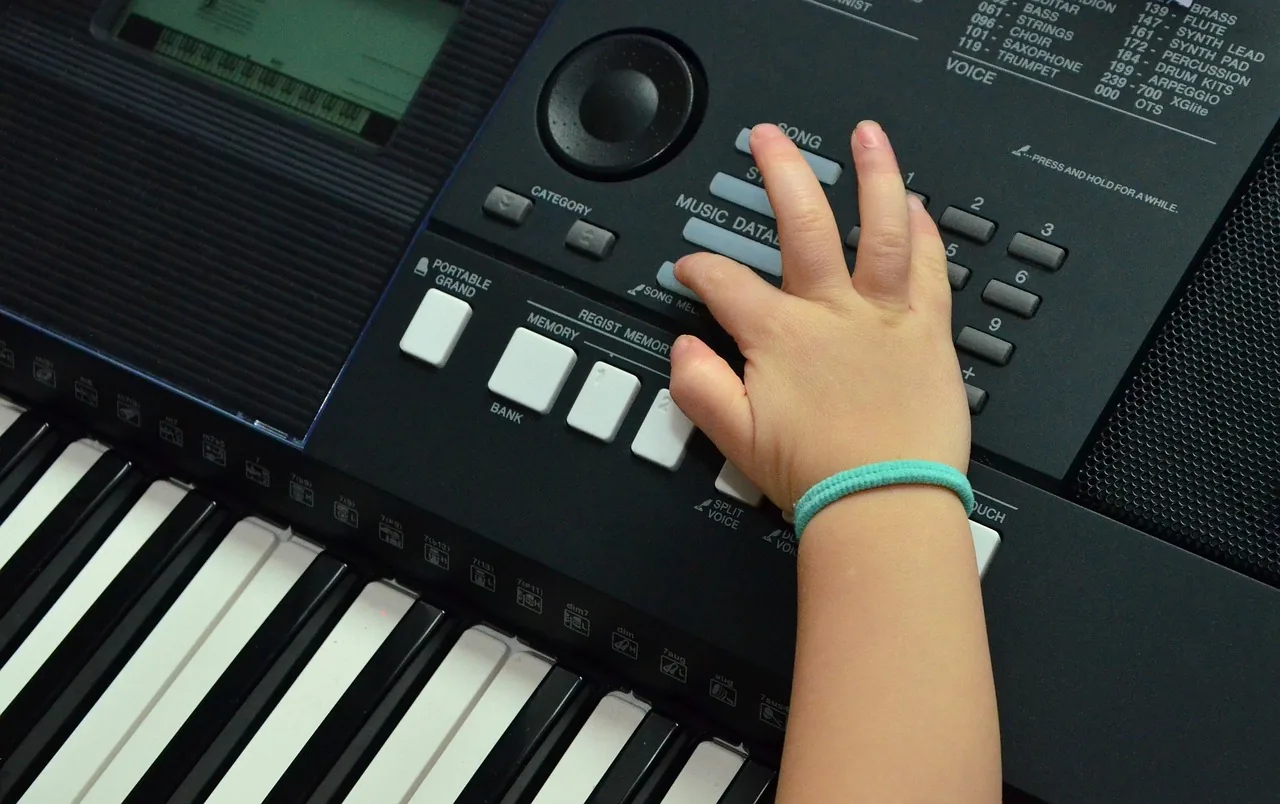

If you play an instrument or are thinking of taking one up, you may have heard this advice: “Learn to read music—it will always come in handy”. Yet many beginner musicians neglect music theory because they find it boring, abstract, or too complicated. In reality, it can transform the way you play, listen, and even compose.
In this article, we’ll explore why learning music theory—even just the basics—can speed up your progress, make you more independent, and, above all, make music much clearer and more enjoyable.
What Exactly Is Music Theory?
Music theory is the collection of rules and concepts that underpin music: notes, scales, intervals, chords, rhythm, reading sheet music, keys, and more.
It is a little like grammar in a language. You can speak without knowing every rule, but the better you understand the basics, the more easily you can express yourself. More importantly, you understand what you are doing and why it sounds good (or why it doesn’t).
Why Theory Makes Your Practice Smarter
Many musicians learn by ear or copy what they see on YouTube. That works—to a point. Before long, however, they run into limitations:
- They do not understand what they are playing
- They struggle to improvise or transpose
- They feel lost when faced with sheet music
- Their progress stalls
Learning theory allows you to see the logic behind the notes. You understand musical structures, anticipate changes, and can even reconstruct pieces from memory because everything makes more sense.
A Practical Example: Reading Sheet Music More Easily
You want to play a piece you discovered online. You open the score—and panic sets in: lines, symbols, clefs, key signatures, eighth notes, rests… In short, it looks like an unfamiliar language.
Theory enables you to read a score as naturally as a text. You recognize the rhythms, notes, chords, and key. As a result, you are no longer playing at random: you are genuinely reading the music. That feels incredibly rewarding.
You can explore these concepts in greater depth through the wealth of material available on this music-learning website, which offers clear, progressive resources for learners at every level.
Understanding Scales and Keys: A Musician’s Secret Weapon
Do you know why some pieces sound familiar or even predictable? It is often because they use recurring scale and chord patterns. Understanding those patterns gives you an enormous advantage:
- You recognize keys by ear
- You know which notes will sound “right” in a given context
- You can improvise without hitting wrong notes
- You can transpose into other keys more easily
A musician who understands what they are playing progresses two to three times faster than one who relies entirely on “feel.”
Which Theory Do You Need for Your Instrument?
You do not have to be a classical pianist to learn theory. It applies to every instrument: guitar, violin, drums, flute, voice, and more.
- 🎹 Piano: you can visualize intervals, chords, and scales on the keyboard
- 🎸 Guitar: chord shapes start to make more sense
- 🎤 Singing: understanding pitch helps you sing more accurately
- 🥁 Drums: you learn to read rhythms fluently
Theory is not just for professionals. It can be adapted to your level and musical style.
How Can You Learn Music Theory Without Getting Bored?
Here is the good news: theory is no longer limited to dull charts and classroom-style exercises. Today, you can learn through:
- Engaging YouTube videos
- Interactive apps (Toned Ear, EarMaster, Tenuto…)
- Illustrated books
- Specialist educational blogs
- Enjoyable methods built around well-known songs
The best approach is to put what you learn into practice. For example: discover a new scale → play it → improvise with it → write a short piece. That is far more stimulating than simply memorizing facts.
You Can Train Your Musical Ear Too
Many people believe that a good ear is something you are born with. That is not true: your musical ear develops through practice.
Theory helps you connect what you hear with what you know. If you can recognize a major third or a perfect fifth, you can:
- Reproduce melodies without a reference
- Work out pieces by ear
- Anticipate the chords in an accompaniment
- Sing and harmonize more effectively
As you improve, your listening becomes increasingly refined. You begin to hear details, intentions, and hidden structures. In short, you listen to music in a whole new way.
You Can Learn on Your Own—with the Right Tools
You do not need to attend a conservatory to learn music theory. All you need are the right resources and a little consistency.
Online, you can find step-by-step courses, interactive exercises, ear-training tests, and even forums where musicians help one another.
What You Gain from Mastering Music Theory
- You become more independent
- You progress faster
- You can adapt to any style
- You can sight-read more easily
- You understand what you are playing—and why it sounds good
Most importantly, you get more enjoyment from playing because confusion and guesswork no longer hold you back.