
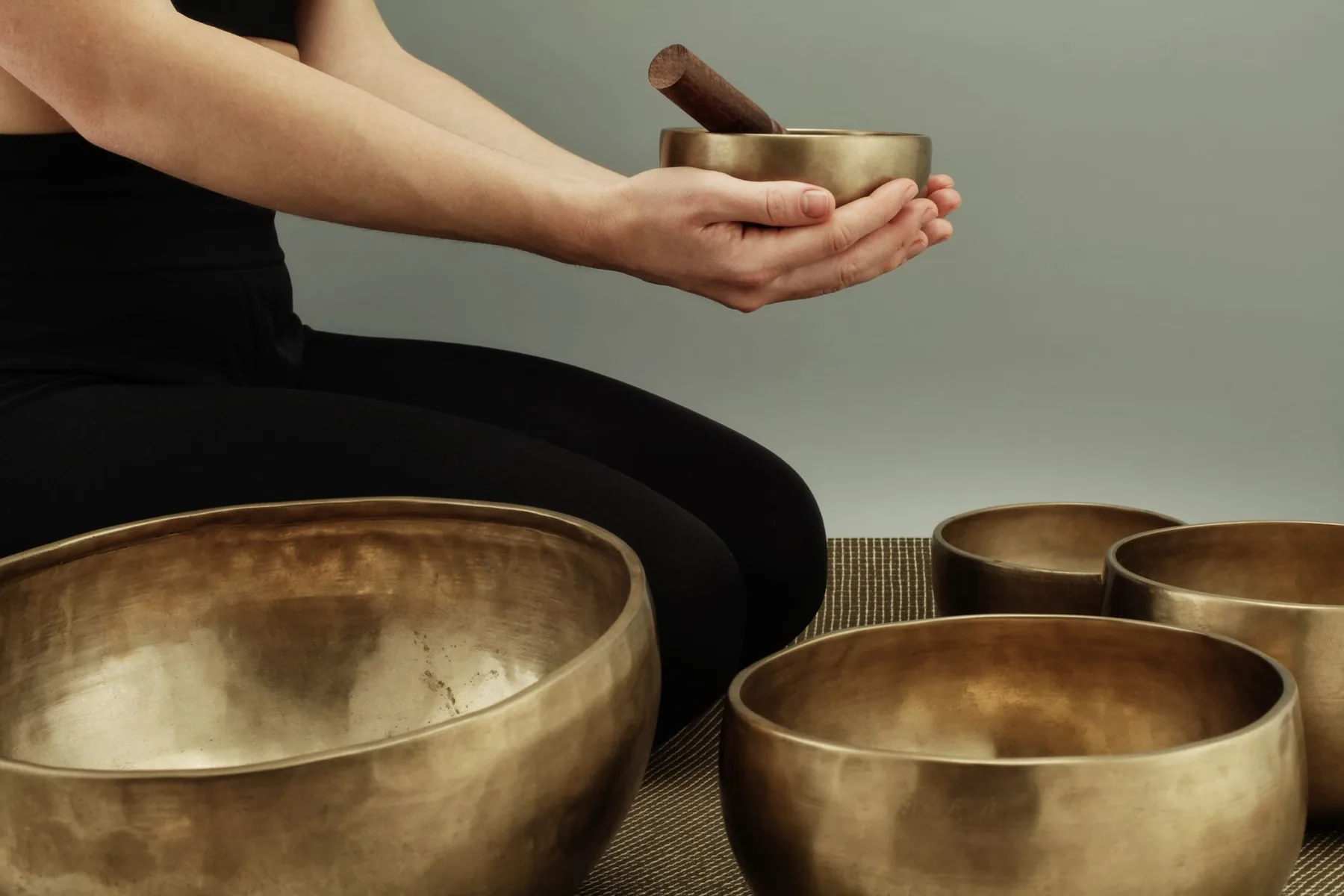

Tibetan singing bowls are ancient instruments that have been used for centuries to promote relaxation and meditation. Their distinctive sound and soothing vibrations have made them popular tools in modern wellness practices.
A study published on PubMed in 2016 found that using these bowls reduced stress by 33% among beginners. Their vibrations act directly on the parasympathetic nervous system, encouraging a state of deep calm.
According to statistics, 78% of users report better sleep quality. These instruments are also used in palliative care and anxiety management, with significant therapeutic results.
Explore the benefits of Tibetan singing bowls in greater detail and discover how they may bring your body and mind into harmony.
An introduction to Tibetan singing bowls and their history
Step into the fascinating world of Tibetan singing bowls, a legacy rooted in ancient tradition. Far more than simple musical instruments, these objects embody a tradition rich in symbolism and spiritual practices.
Origins and cultural significance
Tibetan singing bowls have their roots in the Himalayan region, encompassing Tibet, Nepal and India. Initially used by Bön shamans in the seventh century, they played a role in healing rituals. With the rise of Buddhism, they became part of monastic ceremonies and an important aid to meditation and purification.
Their spiritual symbolism runs deep. Each element of their design is said to evoke a connection between the cosmos and the human body. This cultural dimension makes them much more than mere objects: they form a bridge between the material and the spiritual.
Composition and manufacture of Tibetan singing bowls
The making of these bowls is an ancient art. Traditionally, they are said to contain seven metals: gold, silver, copper, tin, iron, mercury and lead. Each metal represents a celestial body, creating harmony between earthly and cosmic elements.
Hand hammering, a practice used for more than 12 centuries, gives each piece its unique character. Although modern methods now exist, craftspeople continue to favor traditional techniques to preserve the bowls’ spiritual essence.
From their shamanic origins to their use in modern therapies, Tibetan singing bowls have endured through the ages while retaining their transformative appeal and their ability to promote well-being.
The relaxation benefits of Tibetan singing bowls
The vibrations of Tibetan singing bowls can act as a natural way to soothe the mind and body. Their calming sound and distinctive frequencies may offer tangible benefits for mental and physical well-being. Discover how these ancient instruments can transform your daily routine.
Reducing stress and anxiety
Studies suggest that regularly using these bowls can significantly reduce stress. One study reported a 40% drop in cortisol after just three weekly sessions. The bowls may influence the hypothalamic-pituitary-adrenal axis, encouraging a state of deep calm.
In oncology settings, they are used to reduce preoperative anxiety. Practitioners in French hospitals report positive outcomes among their patients, highlighting their potential role in managing generalized anxiety disorders.
Improving sleep quality
A daily 15-minute routine is recommended to help address insomnia. The bowls’ vibrations are said to increase deep-sleep phases by 22%, thereby improving sleep quality. The practice is simple, yet its effects may be profound and lasting.
Users report better overnight recovery and feeling more rested when they wake. These outcomes are supported by clinical studies examining the bowls’ potential to encourage restorative sleep.
Balancing chakras and energy
Tibetan singing bowls are also used to balance the chakras. Their resonance is believed to align the body’s seven energy centers and foster inner harmony. This technique is often combined with mindfulness practices for the best results.
An eight-week study reported a 67% improvement in symptoms associated with stress and anxiety. To learn more about these benefits, consult this comprehensive resource.
The effects of Tibetan singing bowls explained by science
Science offers a fascinating perspective on these ancient practices. Modern research is uncovering concrete mechanisms that may explain their effects on the body and mind. Although traditional, these instruments are now being studied for their measurable influence on health and mood.
Effects on brainwaves and the nervous system
Brainwaves may be directly influenced by the bowls’ vibrations. An EEG study showed an increase in theta waves (4 to 7 Hz), which are associated with deep relaxation. These frequencies act on the nervous system, helping to promote inner balance.
The vibrations may also stimulate the vagus nerve, which plays a key role in stress regulation. This activation may contribute to improved heart-rate variability and reduced skin conductance, both indicators of a calmer state.
Reducing cortisol levels
Levels of cortisol, the stress hormone, may decrease significantly after singing-bowl sessions. A randomized controlled study (n = 120) reported a 40% reduction in cortisol levels after three weekly sessions. These findings are particularly promising for chronic stress management.
Clinical applications include reducing preoperative anxiety and improving well-being in oncology settings. These effects are supported by precise biometric data.
Scientific studies and findings
Recent scientific studies support the potential benefits of these instruments. A systematic review of 17 international studies reported positive findings for stress and anxiety management. Double-blind research adds further weight to these discoveries.
Future research may explore applications in neurology, particularly for Alzheimer’s and Parkinson’s diseases. Neuroplasticity is another area of interest, opening up new therapeutic possibilities.
| Parameter | Result |
|---|---|
| Theta waves (EEG) | 22% increase |
| Cortisol levels | 40% reduction |
| Heart-rate variability | Significant improvement |
To deepen your understanding of the effects of Tibetan singing bowls on the body, consult this comprehensive resource.
How to use a Tibetan singing bowl for relaxation
Discover the essential methods for getting the most from this ancient instrument. Whether you are a beginner or an experienced practitioner, these techniques will help you unlock its soothing potential and easily incorporate it into your daily routine.
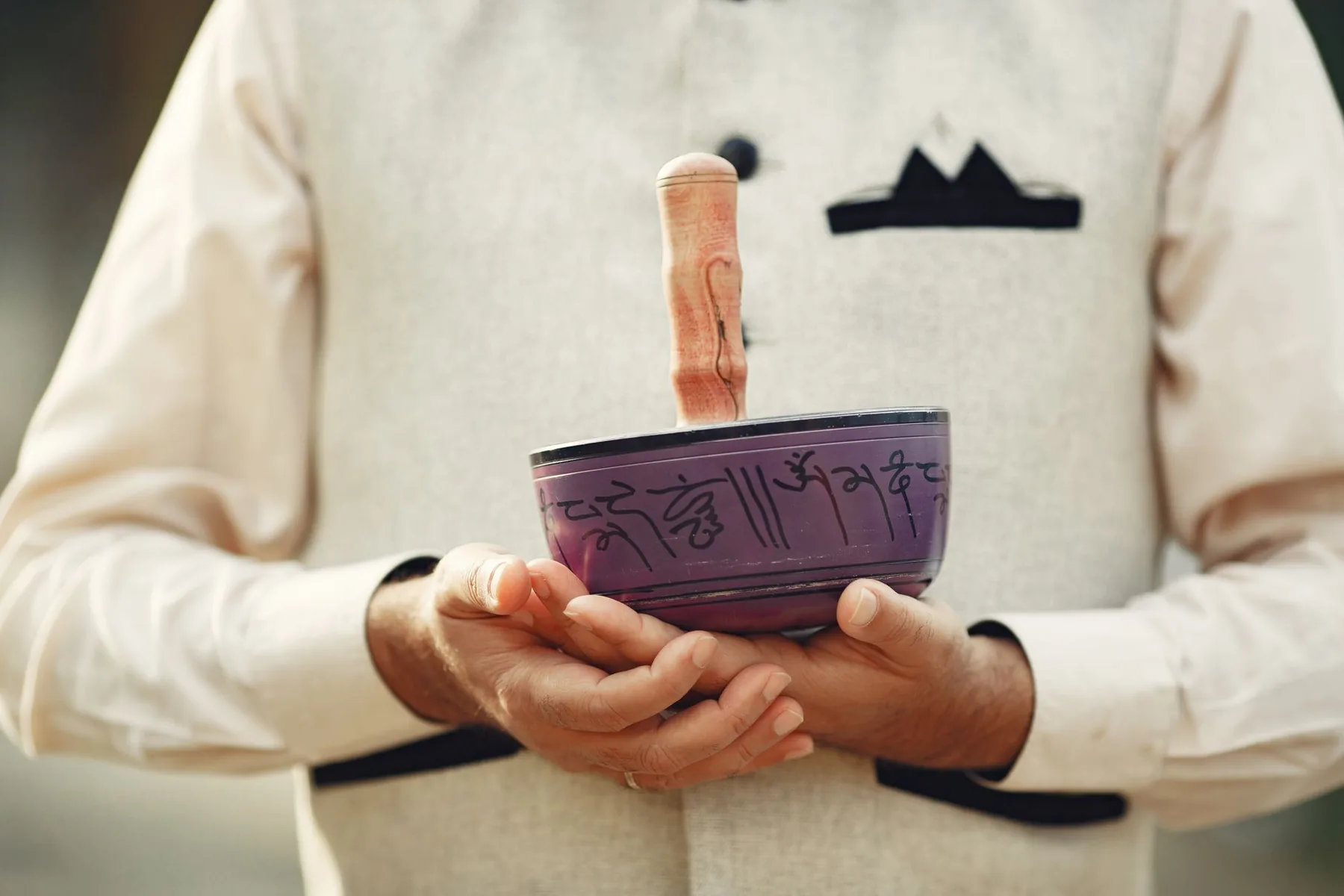
Basic techniques for making the bowl sing
If you are among the beginners, start by holding the bowl in the palm of your hand. Use a wooden mallet and gently strike the rim to produce a clear tone. Then glide the mallet around the rim while maintaining steady pressure. Holding it at a 45° angle works well for both right- and left-handed users.
Avoid excessive pressure, as it can impair the sound quality. Practice this technique daily to improve your control and produce a harmonious resonance.
Sound meditation with a Tibetan singing bowl
Sound meditation is a powerful practice for calming the mind. Sit comfortably, close your eyes and focus on the bowl’s vibrations. Let the sounds guide you into a state of deep calm.
For the best results, combine this practice with breathing exercises. A 10- to 15-minute session is enough to begin experiencing its benefits.
Sound massage and chakra balancing
Sound massage involves placing the bowl close to the body and making it resonate. The vibrations are believed to act on the chakras, encouraging their alignment and balance. This method can be particularly effective for easing physical and emotional tension.
Use an ergonomic cushion to keep the bowl stable and maximize its impact. This practice is an ideal addition to a wellness routine.
Conclusion
The benefits of this ancient instrument are now being investigated by science. Studies report tangible findings related to mental and physical well-being, including lasting effects on stress reduction and improved sleep.
To explore these benefits, begin with short sessions of 5 to 10 minutes. This simple practice can transform your daily routine and soothe your mind. To deepen your knowledge, consult training centers accredited by the FFMB.
As one certified music therapist explains: “The vibrations act as a bridge between body and mind, creating a profound sense of harmony.” To discover advanced techniques, join our free webinar.