


The clarinet is a woodwind instrument. It has a single reed and an almost cylindrical bore. Johann Christoph Denner created it around 1690.
Its cylindrical bore distinguishes it from the oboe and saxophone. This allows it to overblow at the twelfth. The clarinet has a range of three octaves and a minor sixth.
It is the wind instrument with the widest range. It spans the entire sound palette of a symphony orchestra. The clarinet is used in many musical styles, from classical music to jazz.
Introduction to the clarinet
The clarinet is a fascinating instrument closely linked to the development of classical music. Its roots date back to the sixteenth century and the chalumeau, a closely related ancestor. It gradually evolved into the clarinet we know today.
Definition and origin of the clarinet
The word “clarinet” may come from the medieval term “claro,” which referred to an early trumpet. In 1690, Johann Christoph Denner, an instrument maker from Nuremberg, added a bell and two keys to the chalumeau. This modification gave rise to the modern clarinet.
The clarinet in different musical styles
The clarinet is remarkably versatile. It appears in the classical repertoire, jazz, klezmer, and other European traditional music. Mozart helped establish it in classical music. It also plays a crucial role in New Orleans jazz and klezmer.
“The clarinet has a unique voice—sometimes brilliant, sometimes spellbinding—that makes it an instrument of choice in many musical genres.”
The historical development of the clarinet
The clarinet developed from the French medieval chalumeau. Johann Christoph Denner improved the chalumeau. Later, instrument makers such as Heinrich Bärmann, Iwan Müller, and Louis Auguste Buffet worked alongside Hyacinthe Klosé.
From the chalumeau to the modern clarinet
In 1690, Denner created an early clarinet with a register key. Müller added 13 keys to provide a complete chromatic scale. During the 1840s, Klosé and Buffet adopted the Boehm system for the modern clarinet.
Leading instrument makers and their innovations
Theobald Boehm introduced the movable-ring system, which was adopted by many clarinetists. In Germany, Austria, and Belgium, however, the Oehler system and the Albert system remain popular.
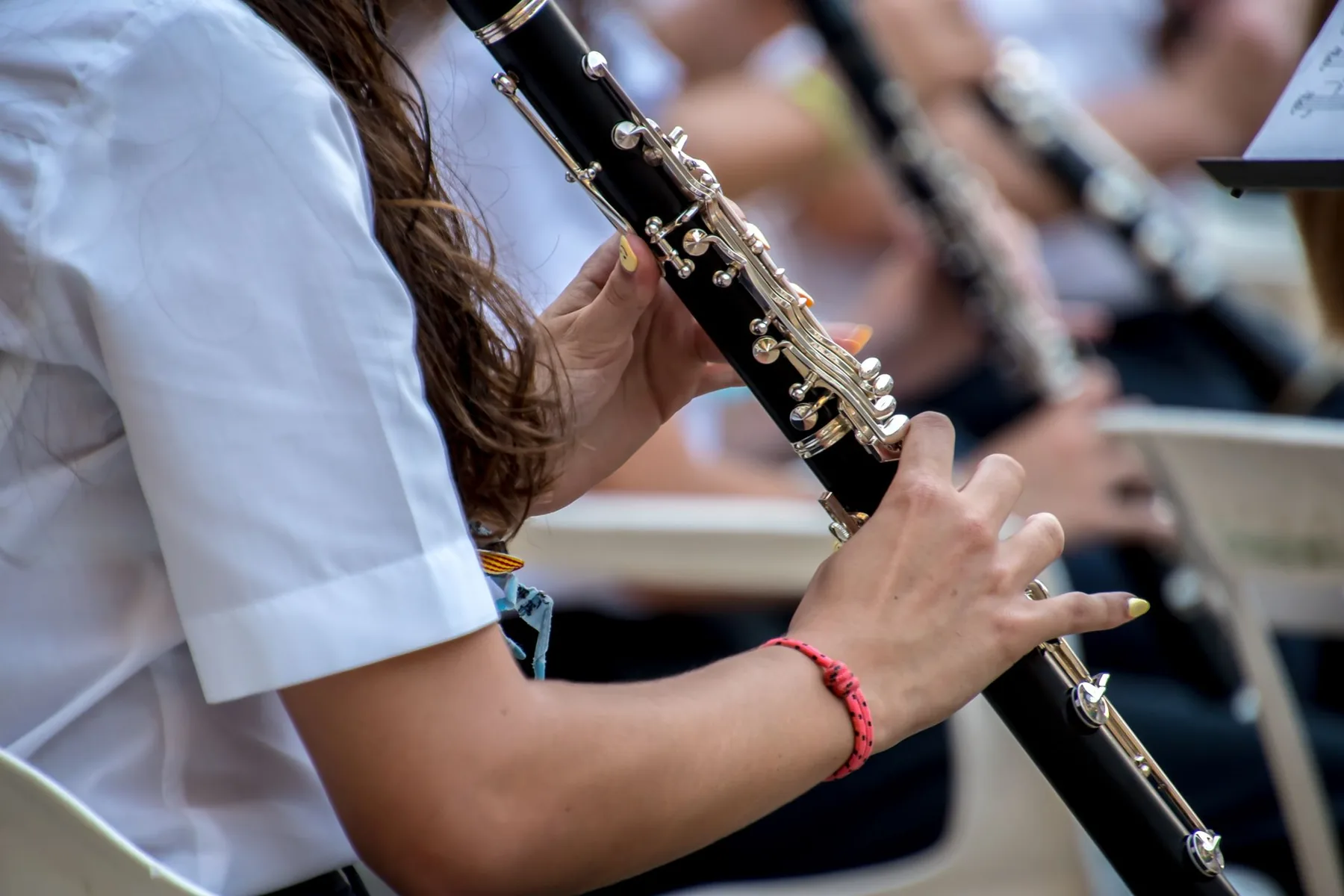
“The clarinet has undergone many technical innovations over time, with each instrument maker helping to improve its playing comfort and sound quality.”
The A clarinet: why and how should you use it?
The A clarinet is a variant of the soprano clarinet. It is highly valued in classical music for its distinctive qualities. Its range extends slightly lower than that of the B-flat clarinet. This gives it rich, expressive tone colors that are essential in many orchestrations.
Composers appreciate the sound of the A clarinet. It can produce deep low notes and brilliant high notes. These colors bring emotion and beauty to musical works, making the instrument a key element of orchestration in classical music.
The A clarinet is less familiar than the B-flat clarinet, but it is becoming increasingly popular. It is often used in famous works such as Mozart’s Clarinet Concerto. This highlights its importance and its role in music.
“The A clarinet is a versatile instrument that brings refinement and nuance to many compositions.”
Whether you love classical music or are just beginning to learn, the A clarinet is well worth discovering. Exploring it will help you better understand and appreciate this unique instrument.
Clarinet anatomy and operation
The A clarinet consists of several parts that contribute to its rich sound. These include the mouthpiece, barrel, upper joint, lower joint, and bell. Each part is essential to the instrument’s operation.
The different parts of the clarinet
The clarinet has a system of keys and tone holes comprising 24 holes. Its 17 keys and 6 rings allow the player to move from the low to the high register. The right thumb helps support the instrument. The other nine fingers operate the system of keys and tone holes.
Producing a sound on the clarinet
A good embouchure technique is essential for producing a stable sound. The cane reed rests between the lower lip and the teeth. Steady abdominal breathing is necessary for sound production. The lips must also form an airtight seal around the mouthpiece to produce a balanced tone.
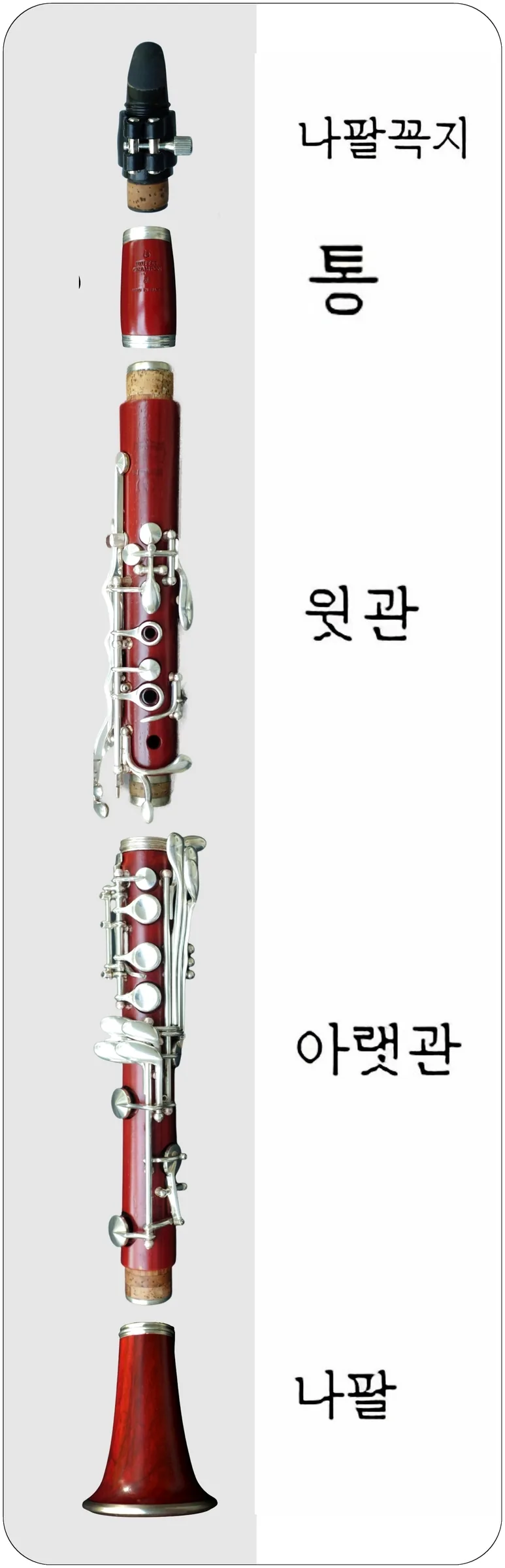
“The clarinet is a woodwind instrument that produces a powerful sound rich in harmonics.”
Getting started with the clarinet
For beginners, learning the clarinet starts with embouchure and breathing. The mouthpiece must be positioned correctly between the lips. It is then crucial to develop steady, continuous breathing. This makes it possible to produce a pleasant, high-quality sound.
Learning embouchure and breathing
A good embouchure and controlled breathing are essential for playing the clarinet. Beginners should pay particular attention to these aspects. An upright posture and effective use of the air column are equally important.
Mastering basic fingerings
After working on embouchure and breathing, learning the basic fingerings is the next step. The clarinet has 24 holes, 17 keys, and 6 rings. Playing it requires dexterity.
A reliable fingering chart is essential. It helps players produce notes in the low, middle, and high registers.

“Regular practice and the use of a suitable reed help improve a clarinetist’s performance.”
With patience and perseverance, beginners can master the basic techniques. They will then be able to play the clarinet and thrive as they explore the instrument.
Famous works for clarinet
The clarinet has inspired many famous composers. It has become an essential instrument in classical music. The best-known works include Mozart’s Clarinet Concerto in A major and Weber’s Clarinet Concertos. Other landmarks include Brahms’s Clarinet Quintet and Aaron Copland’s Clarinet Concerto.
The clarinet repertoire has expanded considerably over the centuries. Many famous composers have helped enrich it. Concertos by Mozart, Weber, and Copland have placed the clarinet in the spotlight. Brahms’s quintet revealed its expressive qualities.
The clarinet also appears in many styles, from jazz to traditional music. Its versatility demonstrates its importance in classical music.
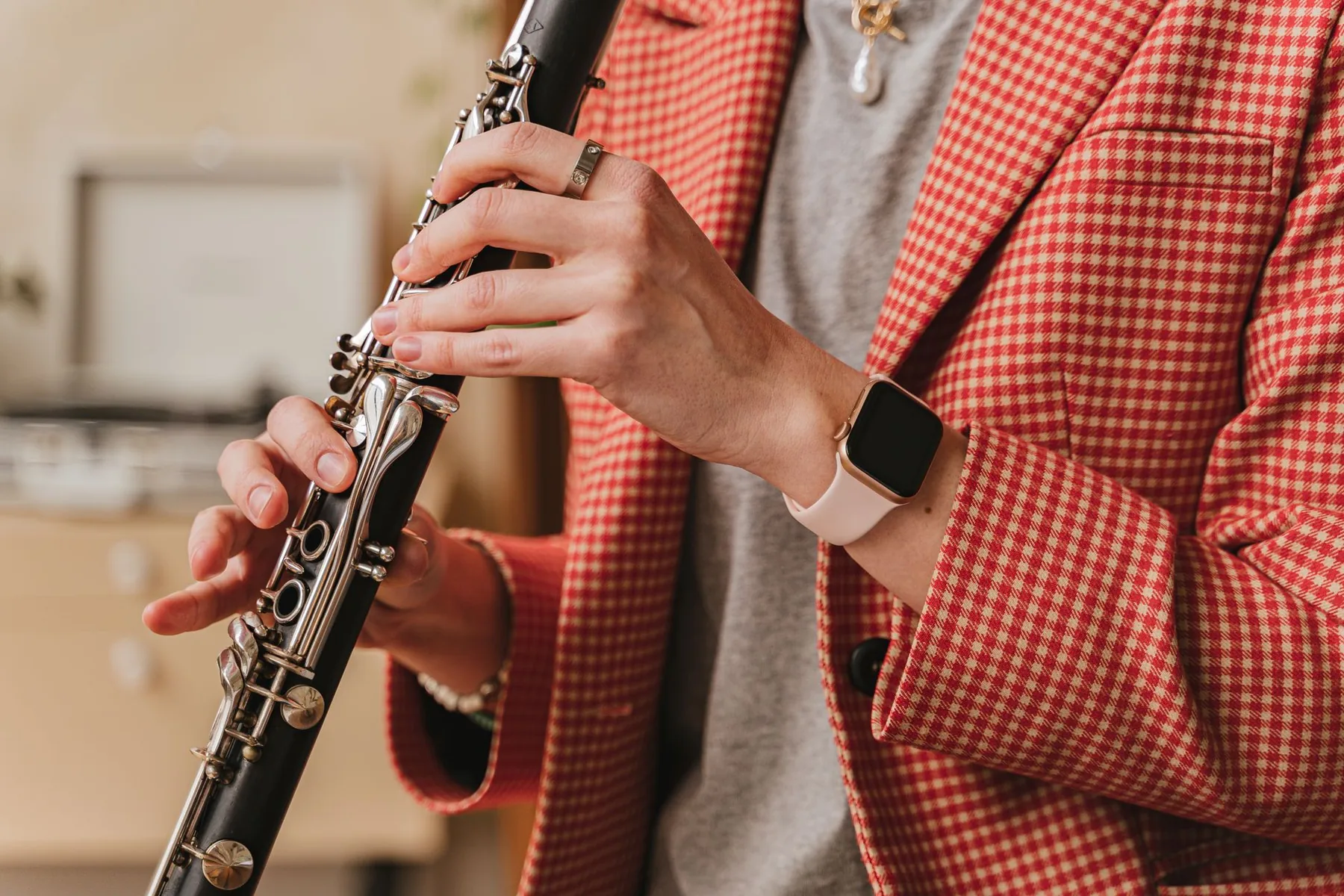
An essential contribution to classical music
Major works for clarinet have made the instrument a key part of classical music. Composers such as Mozart, Brahms, and Copland explored its capabilities. This increased its popularity with audiences and musicians alike.
- Mozart’s Clarinet Concerto in A major is exceptionally well known. It was written for Anton Stadler.
- Weber’s Clarinet Concertos are also important. They showcase the instrument’s virtuosic possibilities.
- Brahms’s Clarinet Quintet highlights the clarinet’s sensitivity.
- Aaron Copland’s Clarinet Concerto helped make the clarinet more popular.
These pieces demonstrate the clarinet’s importance in classical music.
Conclusion
The clarinet is an exceptionally versatile wind instrument. It is used in classical music, traditional music, and jazz. With its wide range and warm tone, it holds an essential place in the orchestra and in many musical styles.
Its history is rich and marked by major innovations. From J. C. Denner to Boehm, the clarinet continued to evolve. It became an indispensable wind instrument in music.
The clarinet is versatile and continually evolving. It inspires artists and enriches the musical repertoire through its unique sounds and expressive possibilities.
FAQ
What is the clarinet, and where did it originate?
Which musical styles use the clarinet?
What were the main stages in the clarinet’s historical development?
What are the distinctive features of the A clarinet?
How does the clarinet work, and what are its essential parts?
What basic techniques are required to learn the clarinet?
What are the best-known works in the clarinet repertoire?
Sources
- https://philharmonia.co.uk/resources/instruments/clarinet/
- https://www.yamaha.com/en/musical_instrument_guide/clarinet/maintenance/
- https://www.yamaha.com/en/musical_instrument_guide/clarinet/play/play002.html
- https://www.d.umn.edu/~tschoen/applied/clarrep.htm
- https://www.encyclopedia.com/literature-and-arts/performing-arts/music-theory-forms-and-instruments/clarinet
- https://www.encyclopedia.com/literature-and-arts/performing-arts/music-theory-forms-and-instruments/clarinet
- https://timbreandorchestration.org/isfee/extreme-orchestration/woodwinds/clarinet-family
- https://philharmonia.co.uk/resources/instruments/clarinet/
- https://www.encyclopedia.com/literature-and-arts/performing-arts/music-theory-forms-and-instruments/clarinet
- https://clarinet.org/embouchure-resources/
- https://www.yamaha.com/en/musical_instrument_guide/clarinet/structure/
- https://www.yamaha.com/en/musical_instrument_guide/clarinet/structure/
- https://clarinet.org/embouchure-resources/
- https://clarinet.org/wp-content/uploads/2021/06/Ellen-Kaner-Essentials-of-Clarinet-Pedagogy-The-First-Three-Years-Kaner-panel_-The-Embouchure_Tone-Production-Google-Docs_merged_merged_merged.pdf
- https://philharmonia.co.uk/resources/instruments/clarinet/
- https://philharmonia.co.uk/resources/instruments/clarinet/
- https://www.d.umn.edu/~tschoen/applied/clarrep.htm
- https://timbreandorchestration.org/isfee/extreme-orchestration/woodwinds/clarinet-family
- https://www.yamaha.com/en/musical_instrument_guide/clarinet/
- https://www.encyclopedia.com/literature-and-arts/performing-arts/music-theory-forms-and-instruments/clarinet