
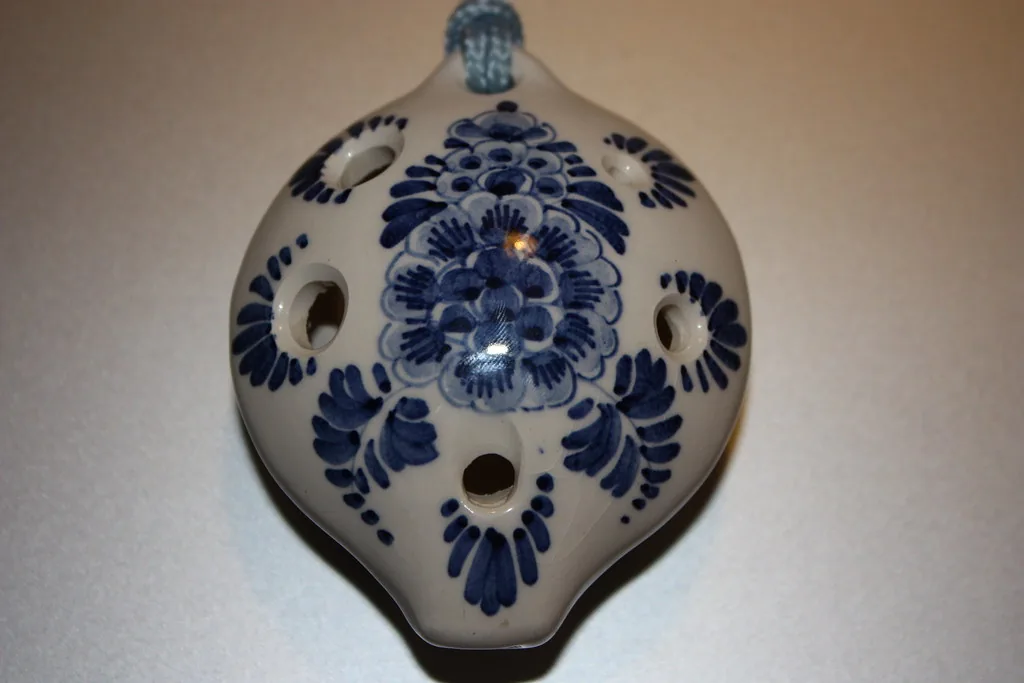

This small instrument has won over millions of people thanks to the Zelda games.
This article examines whether the compact format is a genuine option for new musicians or merely a decorative object.
We explain the key design, ergonomic, and sound-quality criteria to help you avoid a poor purchase. Practical aspects such as range, tuning, and finish are explained clearly.
STL Ocarina offers a variety of models, but it is important to distinguish a genuine musical instrument from a fragile toy bought online. On this dedicated page, you will find options suited to beginners and improving musicians.
Mini ocarina: a good choice or a beginner’s gadget?
Many people wonder whether a smaller model can become a genuine learning instrument.
Ocarinas are appealingly portable: they are light and easy to carry. However, compactness must not come at the expense of accurate intonation.
A good instrument should produce a stable sound. Very small versions sometimes struggle to maintain consistent intonation across their entire range.
We compare the performance of standard and smaller models to guide your purchase. Here are the key points to check before buying:
- Tuning stability
- Tone quality
- Fingering comfort
- Finish and durability
| Criterion | Standard model | Smaller version | Note |
|---|---|---|---|
| Intonation | High | Moderate | Standard models often provide more stable tuning |
| Tone | Rich | Higher-pitched | Small chambers alter the harmonics |
| Ergonomics | Comfortable | Sometimes cramped for the fingers | Test the fingering before buying |
| Appearance and acoustics | Good balance | Decoration is sometimes prioritized | Favor tonal accuracy |
“Portability is an advantage, but practice requires a reliable instrument.”
Understanding the instrument’s origins and how it works
A brief look at its history helps explain why this instrument remains so fascinating.
History and development
This family of instruments dates back more than 12,000 years. It appears in Mayan rituals and other cultures. In 1853, Giuseppe Donati redesigned the instrument, giving it its modern globular form.
This development transformed a ritual object into a versatile instrument. Today, ocarinas and their variants are studied by musicians in France and elsewhere.
How the sound is produced
Sound is created inside an enclosed chamber where the player’s breath produces vibrations. The airflow is directed toward an edge that generates the sound wave.
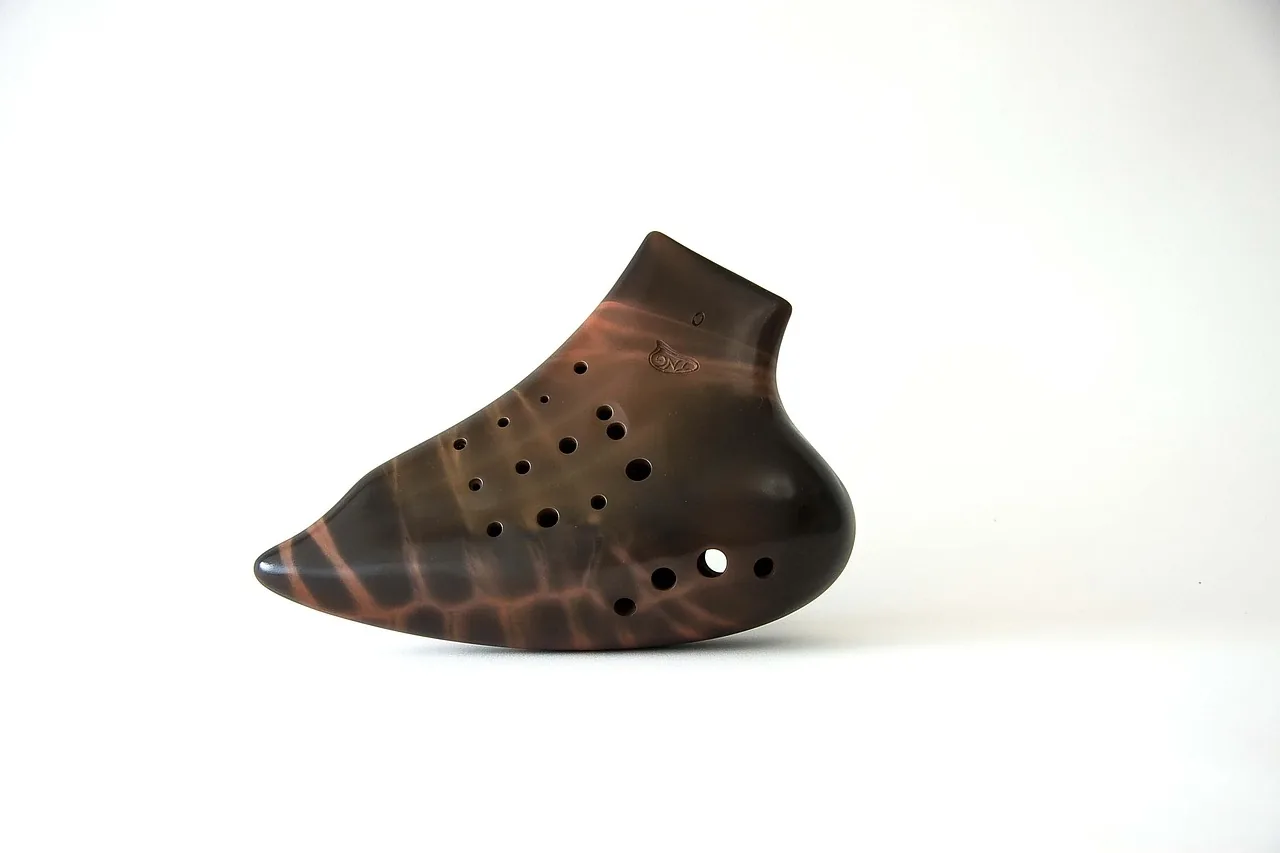
The number of holes determines the range and the complexity of the melodies. The more holes there are, the more notes become available.
- Airflow and finger placement control intonation.
- Practice lets you explore the range of notes in a score.
“Mastery comes from the time spent working on breath control and fingering.”
The essential criteria for assessing sound quality
To assess sound quality, begin by listening to the stability and richness of each note’s tone.
Intonation is assessed against the A440 standard: this is the reference for reliable pitch across the entire range.
Sound quality remains the primary criterion for beginners who want a lasting instrument.
Most reputable makers tune every note precisely.
Check the response in the upper register: a good model avoids shrill sounds and provides smooth transitions between notes.
Test the stability of the sound.
Consistent tone production makes learning easier and gives the musician confidence.
“Stable intonation and natural transitions between notes accelerate progress.”
- Listen to every note across the entire range.
- Check compliance with the A440 standard using a tuner or a reliable reference.
- Favor an even tone over decorative appearance.
| Criterion | What to expect | Practical impact |
|---|---|---|
| Intonation (A440) | Stable tuning across the entire range | Reliable learning and the ability to play in an ensemble |
| Note response | Smooth transitions without breaks | Makes sequences and scales easier |
| Tone | Rich and even | Better projection and a more enjoyable sound |
To learn how to tune a more complex instrument, consult this practical guide: how to tune a 12-hole ocarina.
Why your choice of material affects your playing
The manufacturing material determines the sound, handling, and durability. This criterion should guide your decision according to the intended use: performance, rehearsal, or collecting.
Advantages of ceramic
Ceramic provides rich resonance and a warm tone. Ceramic models are valued for their sound quality. They encourage sound projection and provide more detailed harmonics.
However, their fragility remains an important consideration. Ceramic ocarinas are well suited to musicians who mainly play indoors and seek excellent acoustic quality.
Why choose plastic
Plastic is practical and durable. It withstands impacts and outdoor use.
For learning and travel, plastic models make daily playing easier. They remain affordable and comfortable in the hand.
- Reliable performance in real-world conditions
- Less maintenance and a better balance of durability and quality
- Suitable for practice while traveling
“The choice between ceramic and plastic depends on how it will be used: purity of sound or everyday practicality.”
To discover models suited to different needs, consult a recommended selection on the specialist resource.
Comparing ocarina types for different ability levels
The number of holes directly affects the available notes and the musician’s progression.
Differences between six-hole and twelve-hole models
Six-hole models provide a straightforward introduction. They have fewer notes to memorize. Many beginners appreciate this simplicity when learning the basics of breath control and fingering.
Twelve-hole models are the standard choice for musicians. They cover a complete chromatic range of 1.5 octaves. They make it possible to tackle more complex melodies and pieces.
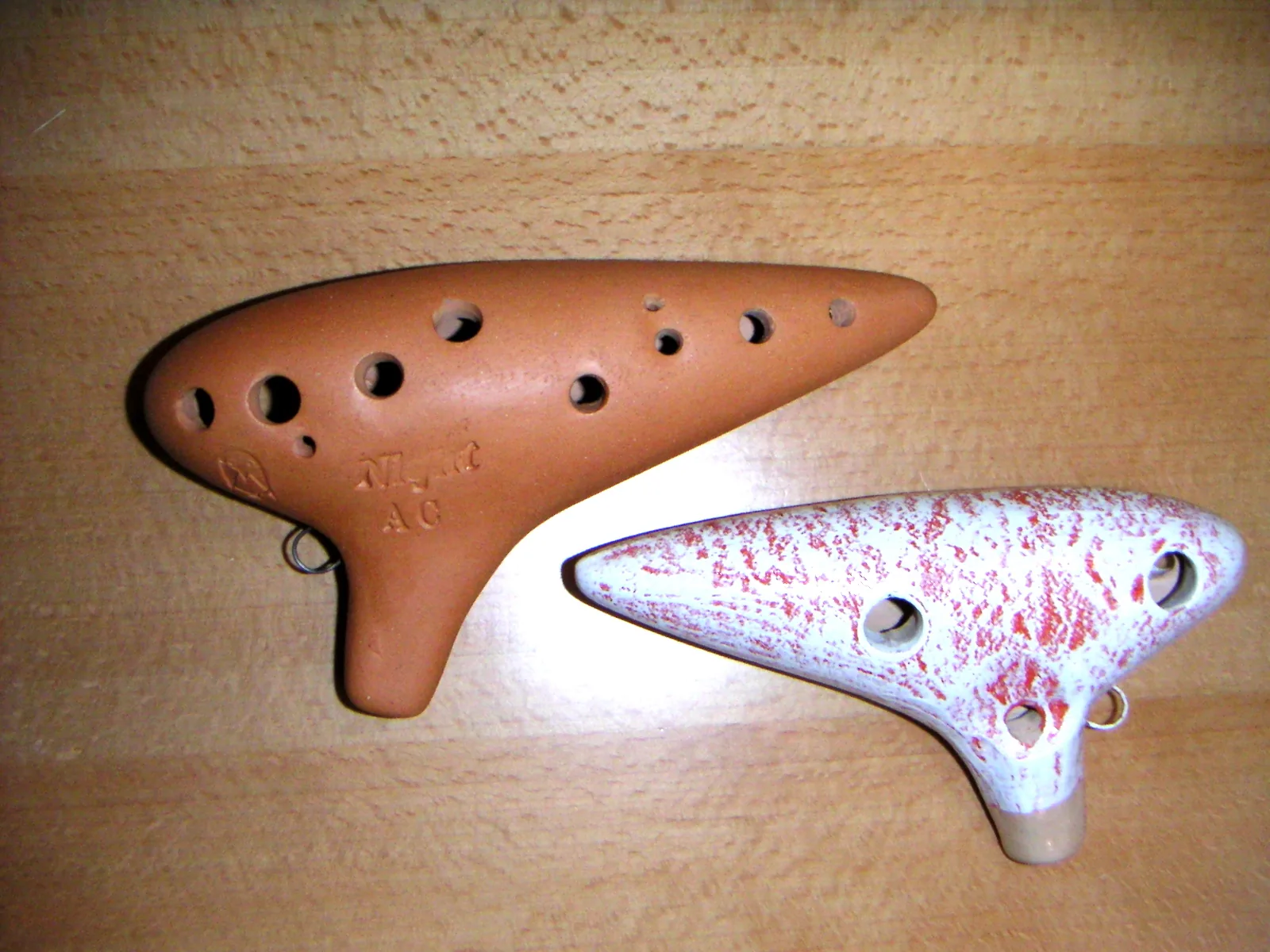
- 6 holes: simple, quick progression, and ideal for initial exercises.
- 12 holes: extended range, accurate notes, and useful for ensemble playing.
- Transition: starting with a 6-hole model and then moving to a 12-hole model remains a common path.
“An instrument suited to the player’s level helps the student remain motivated and gain confidence.”
| Type | Number of holes | Range | Recommended for |
|---|---|---|---|
| Compact | 6 | About 1 octave | Beginners and first lessons |
| Standard | 12 | 1.5 octaves (chromatic) | Intermediate and advanced musicians |
| Versatile | 6 to 12 | Varies by model | Progression and group playing |
Pitfalls to avoid when buying your first ocarina
Before buying, identify the common defects that can turn a promising instrument into a source of frustration.
Avoid cheap models from general-purpose online marketplaces. These ocarinas often have tuning problems, poor finishes, and badly calibrated sound edges.
Take the time to read this article and compare reviews. This reduces the risk of wasting your money on an object that plays out of tune.
STL Ocarina is a reliable reference if you want to buy an ocarina with confidence. Branded models provide better manufacturing quality and accurate tuning.
- Do not rely on price alone; quality comes first.
- Consider the brand and warranty before making a purchase.
- Give yourself time to test the sound and comfort.
“A poor purchase can discourage an aspiring musician.”
Understanding fingering systems and range
Understanding how the holes and chambers interact helps you choose the right instrument.
Asian fingering
Asian fingering is the most common system on multi-chamber models.
Its straightforward combination system provides easy access to many notes.
Advantage: it makes it possible to play scales and melodic lines without complex movements.
On this page, we explain how this fingering affects the accuracy of each note.
The Pacchioni system
The Pacchioni system, invented by Giorgio Pacchioni, is designed to make transitions between chambers smoother.
It improves the tone and consistency of the sound.
- Each additional chamber extends the available range of notes.
- The system makes playing across several octaves easier.
“Pacchioni fingering provides consistent sound quality between chambers.”
This fingering is suitable, for example, for musicians seeking a stable sound and good note sustain.
The best brands recommended by musicians
Musicians recommend certain brands for the intonation and longevity of their instruments.
STL Ocarina has been recognized worldwide for more than 15 years. Its models appeal to beginners and advanced musicians thanks to the quality of their tuning.
Olivier Gosselink is a French maker who has crafted ceramic instruments for 30 years. His handmade pieces are highly valued for their tone and finish.
Noble offers sturdy plastic models. They suit beginners who want a durable instrument that is easy to handle.
- Durability: an instrument from a reliable brand retains its intonation over time.
- Materials: plastic for durability, ceramic for tone.
- Configurations: professionals favor multi-chamber instruments for their range.
“Choosing a good brand reduces risks and makes progress easier.”
| Brand | Years established | Material | Recommended profile |
|---|---|---|---|
| STL Ocarina | More than 15 years | Ceramic / plastic | Beginners and experts |
| Olivier Gosselink | 30 years | Ceramic (handmade) | Musicians and collectors |
| Noble | Established brand | Plastic | Beginners on the move |
To compare your options more effectively before buying, consult this guide to choosing your first model, which explains brands, hole counts, and materials.
Basic techniques for getting started
A good start involves short, focused practice sessions centered on breath control.
Breath. Learn to exhale gently. A steady airflow produces a clear note. STL Ocarina offers useful videos on this subject.
Fingering and holes. Practice scales slowly. Cover and uncover the holes precisely. Good hand position prevents wrong notes.
Online resources for improving
Online methods have developed considerably over the past 10 years. They provide short lessons and easy-to-follow scores.
- Record your practice sessions to correct your fingering and improve sound quality.
- Practice scales for 10 minutes a day to become more fluent.
- Consult this guide to playing without reading music for step-by-step exercises.
“Consistency matters most: 10 minutes a day is better than an occasional long session.”
| Technique | Goal | Expected result |
|---|---|---|
| Breath control | Stable note | Clear, consistent sound |
| Slow scales | Master the fingering | Smooth sequences |
| Recording | Analyze your playing | Targeted improvement |
Advice for maintaining your instrument and extending its life
Simple maintenance extends the life of your instrument and preserves its intonation.
After every music session, wipe the exterior and holes with a soft cloth. This reduces moisture and prevents corrosion around the inner edges.
Gently clean the holes one at a time. Use a flexible pipe cleaner or a rolled piece of fine cloth to reach the cavities without scratching the surface.
For occasional internal cleaning, use a mild solution and allow the instrument to air-dry. Avoid harsh products that may damage the material, whether plastic or ceramic.
- Store the instrument in a suitable case supplied by the brand.
- Protect it from thermal shocks and prolonged humidity.
- Handle it carefully: its longevity depends primarily on everyday care.
“A well-maintained instrument retains its resonance and makes learning easier.”
| Action | Frequency | Impact |
|---|---|---|
| Wipe the holes | After every session | Preserves intonation and cleanliness |
| Gentle internal cleaning | Monthly or as needed | Maintains optimal resonance |
| Store in a case | At all times | Protects against impacts and temperature changes |
For practical advice and tuning exercises, consult this page about tuning and practice.
Conclusion
To summarize, focus on tone quality, stable intonation, and ease of fingering.
Choosing a good musical instrument begins with defining your ability level and intended use. Ocarina types vary according to range, chambers, and number of holes; these characteristics directly affect the available notes and your progression.
Ceramic and plastic models each have advantages. Ceramic ocarinas provide a rich tone. Plastic versions provide durability and portability.
Recognized brands such as STL Ocarina make purchasing easier through consistent quality and clearly defined configurations. Practice the fingering, test the intonation, and maintain the instrument carefully to preserve its sound.
With regular practice and online resources, you will learn quickly. By following this advice, you will choose a durable instrument and enjoy playing it more.