
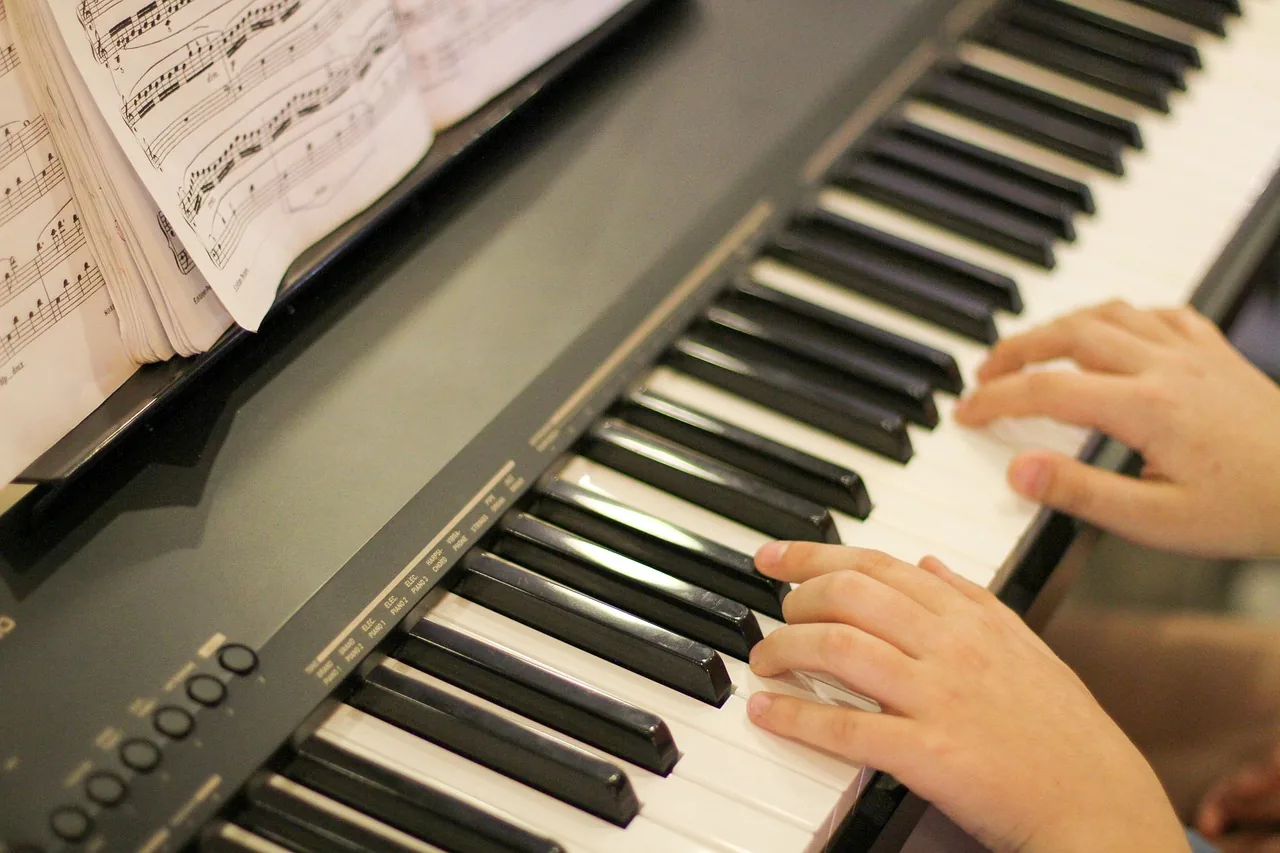

Learning the piano on your own may seem challenging, but it is entirely achievable if you have the right tools and follow a disciplined method. Better still, this approach gives beginners the opportunity to personalize their learning journey, progress at their own pace, and focus on the styles they love.
But how can you achieve the desired results without direct guidance? Here are some steps and practical tips to help you build solid foundations and play the piano confidently on your own, without professional assistance.
Build a Solid Foundation
When you begin teaching yourself piano, establishing solid foundations is essential. The first consideration is which type of piano to choose. There are two main options: an acoustic piano and a digital keyboard.
Although the former may require regular maintenance, it provides an authentic touch and excellent sound quality. A digital keyboard, meanwhile, is valued for its portability and modern features—such as adjustable sounds and the option of playing with headphones—which make it an ideal instrument for beginners. However, for an experience closer to that of a traditional piano, choose a keyboard with weighted keys. These reproduce the resistance of an acoustic piano’s hammers, helping you develop greater control over your touch.
Alongside choosing an instrument, it is essential to learn the fundamentals of music theory. In particular, learning to read sheet music is a key skill for progressing independently. Familiarize yourself with:
- Notes : understand their positions on the staff and the keyboard.
- Rhythm : learn to read rhythmic values (quarter notes, eighth notes, and so on) and keep the beat.
- Musical symbols : learn to recognize markings for dynamics, tempo, and articulation.
For a gradual approach, begin by practicing simple chords such as major and minor triads, which form the structure of many musical pieces. However, if you feel that you need guidance, taking private lessons may be worthwhile. For example, on the Superprof website, you will find many experienced teachers ready to guide you through your learning journey, whether you are a complete beginner or already have some experience.
Structure Your Learning

Teaching yourself piano requires organization and an appropriate method to maintain steady progress. Unlike learning with a teacher, where the stages are often planned in advance, you must establish your own clear, structured framework to get the most from your efforts.
The first step is to create a realistic practice schedule. There is no need to aim for overly long sessions, especially at first, as this could undermine the quality of your practice. Ideally, plan short but regular sessions of around 20 to 30 minutes a day. If you have a busy schedule, however, try dividing your practice into several shorter periods, such as 10 minutes in the morning and 20 minutes in the evening. This discipline will help you develop muscle memory and improve your auditory memory.
To stay motivated, it is also helpful to set specific, achievable goals. A beginner, for example, could aim to learn a simple piece in one week by dividing the work into three stages:
- Reading the sheet music
- Practicing each hand separately
- Coordinating both hands
It is also important to increase the difficulty gradually of the pieces or exercises you practice. Every goal you achieve, however modest, helps strengthen your confidence and motivation.
Make Use of Online Resources
Thanks to the growth of digital tools, it is now possible to teach yourself piano using a wide variety of resources. These modern materials are available to everyone and allow you to progress at your own pace, without restrictions on when or where you learn.
Apps and Software
Educational apps offer an interactive and enjoyable way to teach yourself piano. Popular options include tools such as Flowkey, Simply Piano, and Piano Marvel. These apps guide users step by step with intuitive features such as:
- real-time recognition of the notes you play, which is ideal for correcting mistakes immediately ;
- interactive exercises that adapt to the student’s level ;
- progress tracking that lets you visualize your learning curve and identify areas for improvement.
These solutions also allow you to slow down the tempo or practice each hand separately, which is particularly useful for beginners.
YouTube Tutorials and Videos
In addition to software, YouTube is full of instructional piano videos covering everything from basic theory to performances of famous pieces. To achieve your goals, however, it is important to choose channels designed for beginners, with a clear and progressive teaching method. Commonly featured pieces include classics such as Let It Be by the Beatles and Für Elise by Beethoven, which are perfect for practicing simple melodies.
Develop Good Habits from the Start
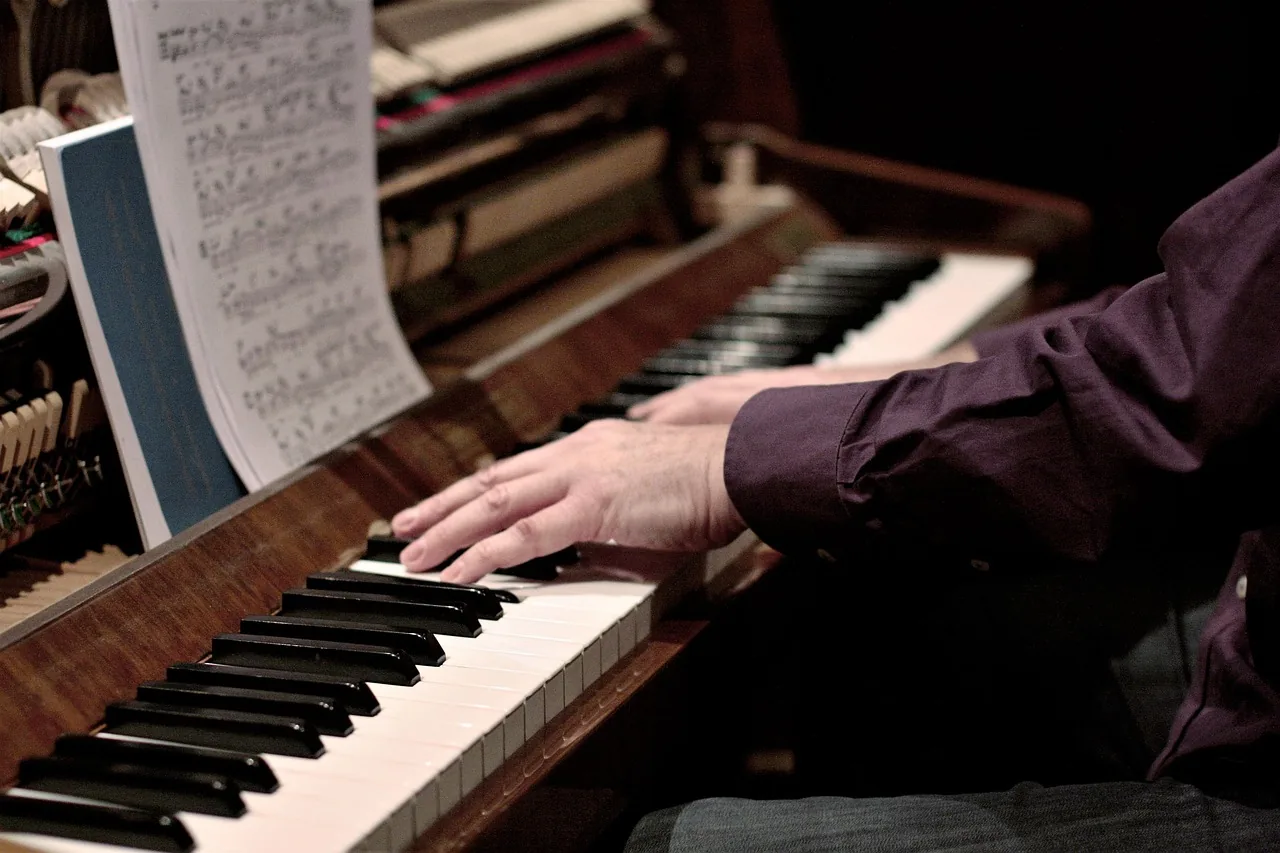
Developing good habits from your very first lessons is the key to progressing effectively and avoiding mistakes that can be difficult to correct later. In particular, a poor playing position can quickly cause physical discomfort and restrict fluid movement.
Begin by adjusting the height of the bench: your elbows should be slightly above the keyboard. Your hands should be gently curved, with your fingers relaxed but firm. Your wrists should remain relaxed and aligned with your forearms. A rigid position can not only cause pain but also impair the quality of your playing.
Beyond posture, remember that rushing is the enemy of effective learning. It is better to begin each piece at a slower tempo and prioritize accuracy over speed. This approach helps you memorize sequences more effectively and develop smooth coordination between your hands.
For beginners, practicing hands separately is a widely recommended method. This means mastering the part played by each hand before combining them. Once you have acquired these foundations, you can gradually begin playing with both hands together, always at a moderate tempo to ensure that the movements become fully ingrained.