


Singing bowls are powerful tools that have been used for centuries for relaxation and meditation. They come in two main forms: traditional models rooted in Tibetan culture and modern crystal versions. Each has unique characteristics suited to specific needs.
This article will help you choose the one that best meets your expectations. Drawing on more than 10 years of experience in this field, I offer a detailed analysis of the essential criteria: manufacturing, sound, and benefits for the body and mind.
We will also explore their history, how they are made, and their therapeutic uses. Whether you are a beginner or an expert, this guide will help you make an informed choice.
Introduction to singing bowls
Ancient yet versatile, singing bowls continue to fascinate people today. Used for centuries, they serve as both meditation instruments and sound-therapy tools. Their soothing sound helps calm the mind and bring the body into harmony.
Their history stretches back to ancient times, when they were already present in various cultures. Today, they are becoming increasingly popular in the Western world of wellness practices. From beginners to energy therapists, everyone can adapt their use to their needs.
There are two main types: bowls made from metal alloys and those made from pure quartz. Each offers distinct sounds and benefits. This article will help you understand their characteristics so you can make the right choice.
Whether you want to deepen your practice or discover these tools for the first time, singing bowls offer a gateway to relaxation and inner transformation.
Origins and history of Tibetan and crystal bowls
Discover the fascinating history of these unique instruments, where ancient heritage meets innovation. Singing bowls have deep roots stretching back thousands of years, but their evolution also reflects modern advances.
Tibetan bowls: a centuries-old tradition
Tibetan bowls are said to have appeared more than 5,000 years ago in the Himalayan region. Used in Buddhist and shamanic rituals, they were often composed of 3 to 12 metals, each associated with a particular planet. This symbolic composition gave them profound spiritual significance.
Their production relies on artisanal techniques passed down from generation to generation. Today, they are prized for their rich sound and therapeutic benefits.
Crystal bowls: a modern invention
Unlike Tibetan bowls, crystal bowls are a recent creation, first appearing in the 1940s. Their design is associated with crystal healing and quantum research. Made from pure quartz, they produce clear, crystalline notes.
These types of bowls are not rooted in an ancient tradition, but their popularity has soared thanks to their effectiveness in modern wellness practices. They represent a fusion of technology and spirituality.
Manufacturing: metal and crystal
Singing bowls are made using very different methods, ranging from traditional craftsmanship to modern technology. These types of instruments are shaped through unique processes that influence their properties and sound.
The artisanal production of Tibetan bowls
Tibetan bowls are the product of ancient expertise. Their production begins with metals being hammered by hand at temperatures reaching 4,000°C. This technique shapes the instrument while preserving its integrity.
Artisans often use an alloy of seven metals, each symbolizing a planet. This blend gives the bowl a rich sound and profound spiritual significance. Acid etching adds a distinctive artistic touch.
The industrial production of crystal bowls
Crystal bowls, by contrast, are produced industrially. Their production involves molding silica heated in high-temperature furnaces. Rotating molds ensure a precise, uniform finish.
The pure quartz used produces clear, crystalline notes. Although this process is faster, it requires a large amount of energy and can therefore have an environmental impact.
| Aspect | Tibetan bowls | Crystal bowls |
|---|---|---|
| Technique | Hand hammering | Industrial molding |
| Material | Seven-metal alloy | Pure quartz |
| Production time | Several days | A few hours |
| Environmental impact | Preserves traditional craftsmanship | Energy consumption |
Sound: a unique signature
Each type of bowl has its own distinctive sonic signature. These sounds vary according to the material and production technique used. They play an essential role in meditation and sound-therapy practices.
The vibrations produced by these instruments directly influence their effect on the body and mind. Whether you are looking for an enveloping sound or a precise frequency, each bowl addresses specific needs.
The rich harmonics of Tibetan bowls
Tibetan bowls stand out for their rich, complex sounds. Spectral analysis reveals between five and seven harmonics, giving them unique depth. These multiple notes create an enveloping resonance that is ideal for relaxation.
Their therapeutic use draws on this acoustic richness. The vibrations they emit are believed to act on the chakras, promoting energetic balance. These bowls are particularly well suited to open spaces, where their sound can travel freely.
The pure notes of crystal bowls
Crystal bowls, by contrast, produce pure, crystalline notes. Made from quartz, they generally produce one or two harmonics. This sonic simplicity allows for great frequency precision, with bowls often tuned to 432 Hz or 528 Hz.
These specific frequencies are associated with the major chakras, offering targeted harmonization. Their sound can last for up to 90 seconds, creating a soothing atmosphere. To learn more about these instruments, browse our collection of Tibetan singing bowls.
Benefits for health and meditation
The benefits of singing bowls for health and meditation are widely recognized. From reducing stress to harmonizing the chakras, these instruments offer a holistic approach to well-being. Their function goes beyond simple relaxation: they act deeply on the body and mind.
The therapeutic advantages of Tibetan bowls
Tibetan bowls are particularly effective at reducing stress. According to some studies, their use can lower stress levels by 23%. Their soothing effect is ideal for guided or individual meditation sessions.
These instruments are also used to help manage pain and high blood pressure. Their therapeutic function is based on sound-massage techniques that act directly on muscular tension.
However, it is important to check the composition of Tibetan bowls. Some contain heavy metals such as lead or mercury, which can pose health risks.
The energetic properties of crystal bowls
Crystal bowls are favored for their effect on the chakras. Eighty-seven percent of therapists use them to harmonize energy. Their pure, crystalline sound facilitates deep transformation and energetic alignment.
Quartz, the principal component of these bowls, is associated with living organisms. It contains silicon, which is essential to the proper functioning of the immune system and to bone health. These bowls are also used to cleanse the energy of spaces, particularly 20 cm models.
“The vibrations of singing bowls act simultaneously on several levels: physical, mental, and spiritual.”
In conclusion, whether used to address therapeutic or energetic needs, singing bowls offer suitable solutions. Their soothing effect and versatility make them invaluable tools for meditation and well-being.
Price, weight, and care: a practical comparison
Several practical criteria come into play when choosing a singing bowl. Price, weight, and care are key factors to consider when making the right choice. These aspects vary depending on the instrument’s material and diameter.
The cost and accessibility of Tibetan bowls
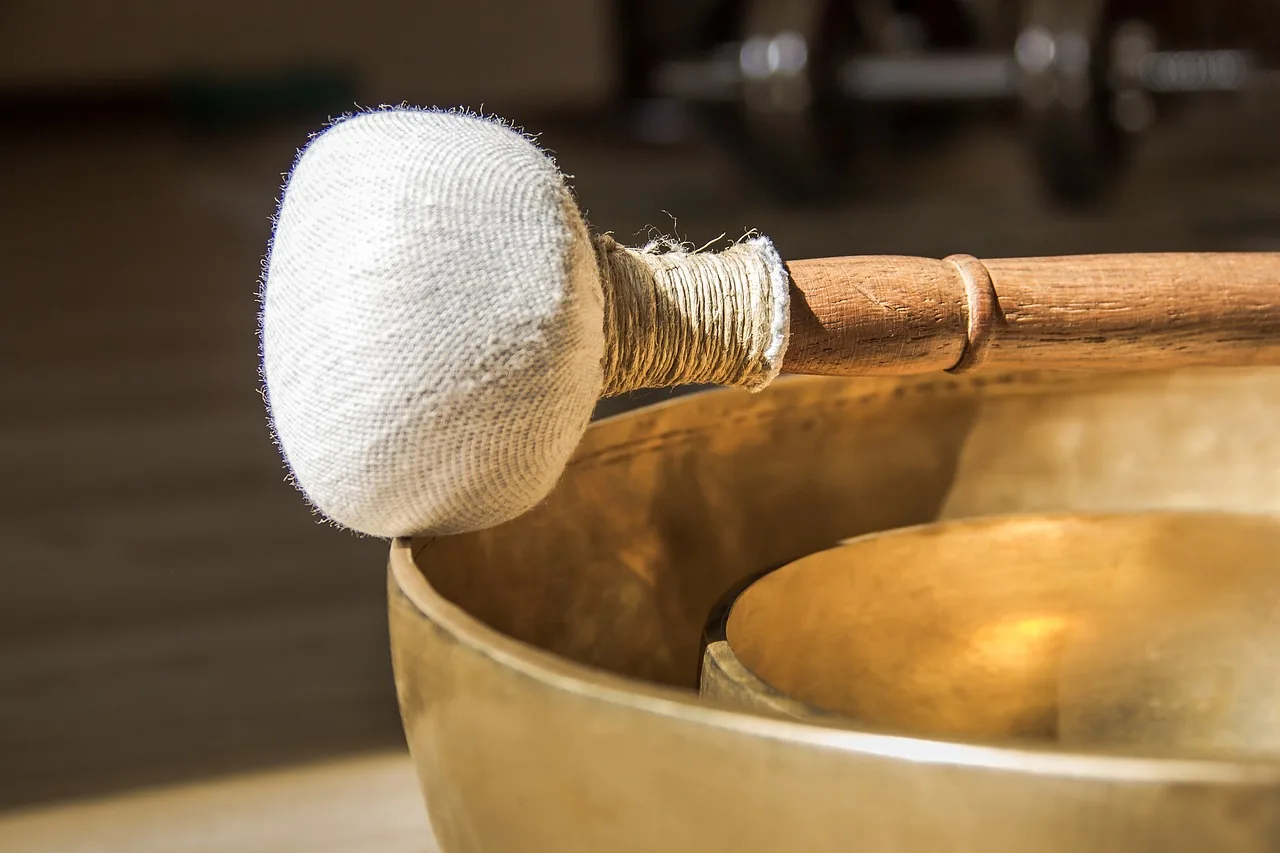
Tibetan bowls are often more affordable. Their average price ranges from €50 to €150, depending on their size and quality. A 20 cm model weighs around 900 g, making it easy to transport.
Their care is straightforward: regular cleaning with a soft cloth and natural products is all that is required. Thanks to their durability, they can last for decades without losing their sound quality.
The cost and fragility of crystal bowls
Crystal bowls, by contrast, represent a more substantial investment. Their price can reach €1,000 for premium models. A 20 cm bowl weighs around 2.5 kg, making it less suitable for portable use.
Their care requires more caution. Because they are fragile, they must be handled carefully and protected with suitable cases. Their lifespan depends on how carefully they are handled, as they are susceptible to breakage.
| Aspect | Tibetan bowls | Crystal bowls |
|---|---|---|
| Average price | €50 to €150 | €150 to €1,000 |
| Weight (20 cm) | 900 g | 2.5 kg |
| Care | Simple cleaning | Special precautions required |
| Lifespan | Decades | Risk of breakage |
In summary, the choice between a Tibetan bowl and a crystal bowl depends on your budget, your need for portability, and your ability to provide the instrument with appropriate care. Each option offers distinct advantages suited to specific uses.
Conclusion: which bowl should you choose for your needs?
To choose the ideal instrument, it is essential to understand your expectations and priorities. The differences between the two types of instruments are significant, whether in terms of sound, manufacturing, or use. Your choice will depend on your main purpose, budget, and need for portability.
If you are a beginner, a traditional model can be an excellent starting point. For therapists, modern versions offer suitable frequency precision. Collectors, meanwhile, will appreciate the diversity of available options.
At Instruments du Monde, we offer well over 200 products to meet every need. Browse our specialist buying guides to find the perfect instrument. Choose with confidence and begin your journey toward relaxation and harmony.