
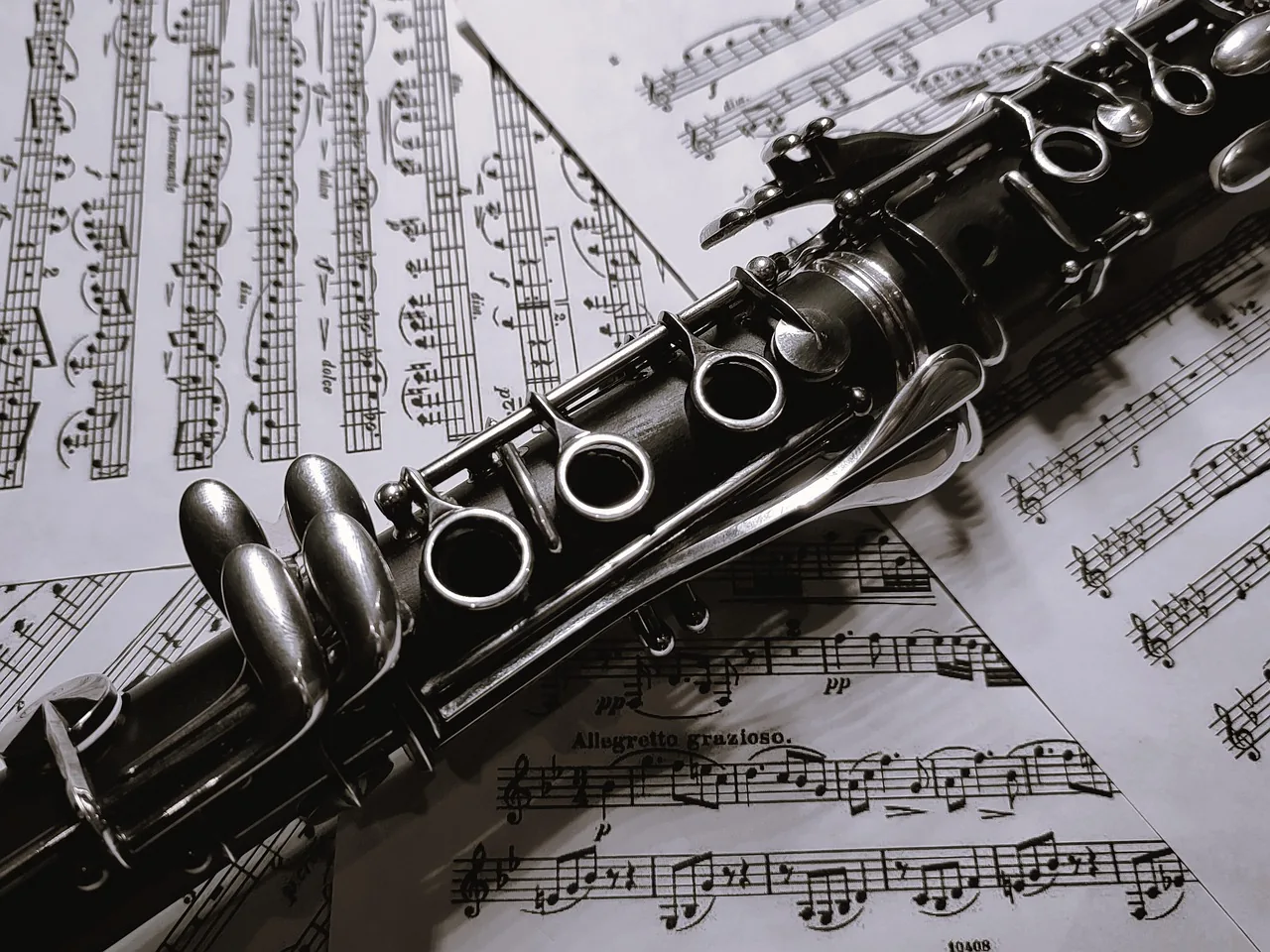

Mastering clarinet fingering is essential for beginners.
Discovering the clarinet
The clarinet is a wind instrument in the woodwind family. It is known for its elegant shape and distinctive tone. This instrument is ideal for beginners because it helps improve breathing, coordination, and musical hearing.
Why choose the clarinet?
The clarinet fits easily into many different musical ensembles. This allows beginners to start playing with other musicians quickly. Its varied repertoire, ranging from classical music to modern styles, gives them great freedom.
A brief description of the clarinet
The clarinet is mainly made of wood. It has an elegant shape and a velvety tone. With its many keys and wide range, it offers tremendous musical expressiveness.
The clarinet family
The clarinet family includes several models, each with its own characteristics. The B-flat clarinet is the best known and is perfectly suited to beginners. Models such as the A clarinet and bass clarinet offer distinctive sounds for more advanced musicians.
“The clarinet is a fascinating instrument that can express a wide range of musical emotions.”
As they learn the clarinet, beginners will encounter exciting challenges. They will also enjoy an enriching musical experience filled with joy.
Getting started with the clarinet
Before you assemble a clarinet and play it, you need to understand the key preparation steps, including how to assemble the instrument correctly. Choosing and adjusting the reed are essential for producing a good sound from the outset.
How to assemble a clarinet
Assembling the clarinet involves three main steps:
- Insert the barrel into the body of the instrument.
- Attach the bell to the body of the clarinet.
- Check that all the sections fit together properly and are securely attached.
Handle the instrument gently to avoid damaging it.
Choosing, fitting, and adjusting the reed
Choosing the reed is crucial for producing a good sound. You should choose a reed suited to your ability and clarinet. Once selected, the reed must be fitted correctly to the mouthpiece and adjusted to achieve optimal vibration.
Hand and finger position
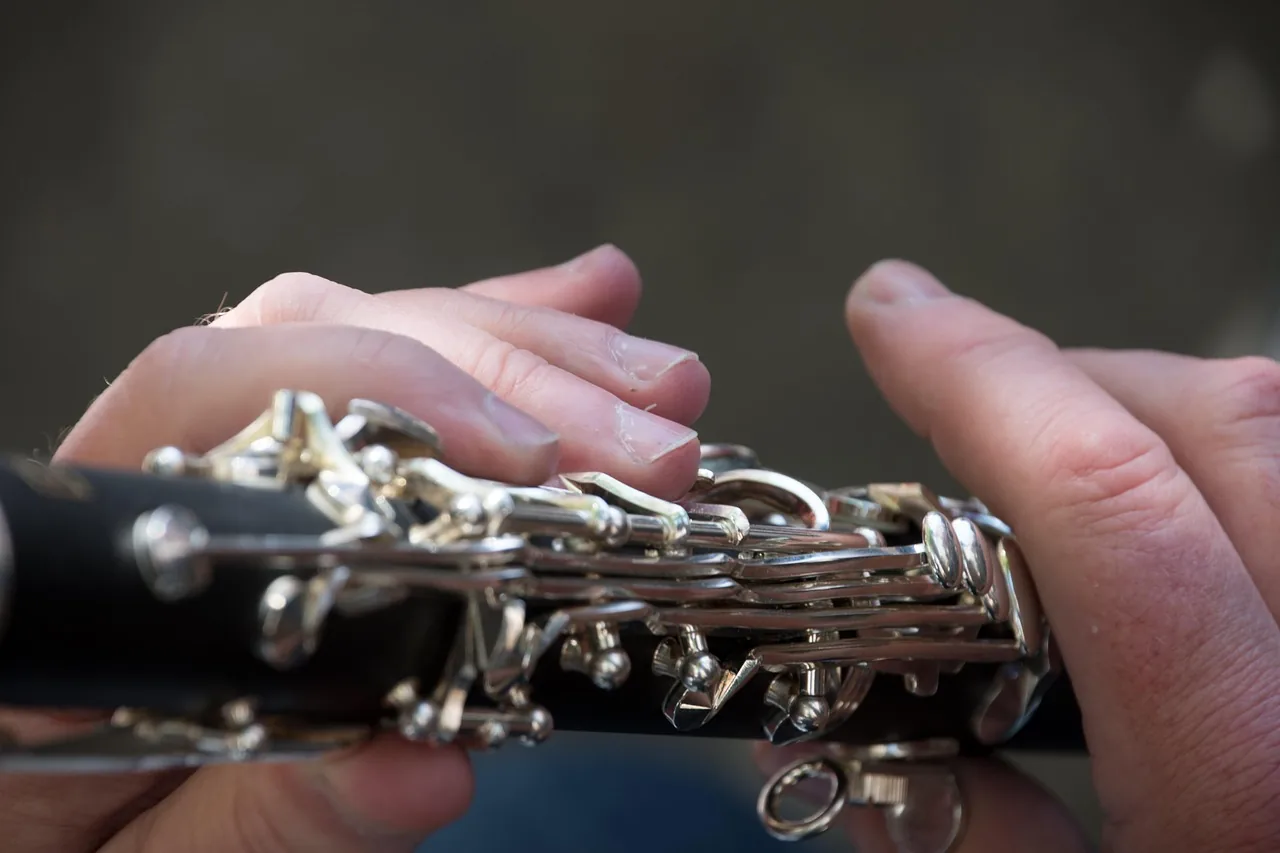
The position of your hands and fingers on the clarinet is essential. Learn to place your fingers naturally on the keys while maintaining a secure grip on the instrument.
A 3D application can help you visualize the ideal hand and finger position.
First steps with fingerings
Learning the clarinet begins with developing your embouchure. The mouth and lips must be positioned correctly to produce an accurate note. Breathing exercises and reed-vibration practice are essential.
Embouchure and your first sound
Before tackling clarinet fingerings, you need to work on your embouchure. This helps produce clear, steady notes. Breathing deeply and making the reed vibrate are the keys to success.
Clarinet fingering: a practical guide for beginners
After working on your embouchure, it is time to discover clarinet fingerings. This guide shows you how to play the most common notes. With practice and patience, beginners will learn to play them.
Chromatic fingering chart for the B-flat clarinet
| Note | Fingering |
|---|---|
| C | |
| C-sharp | https://www.youtube.com/watch?v=h5v1WFkStZs |
| D |  |
| D-sharp | |
| E | 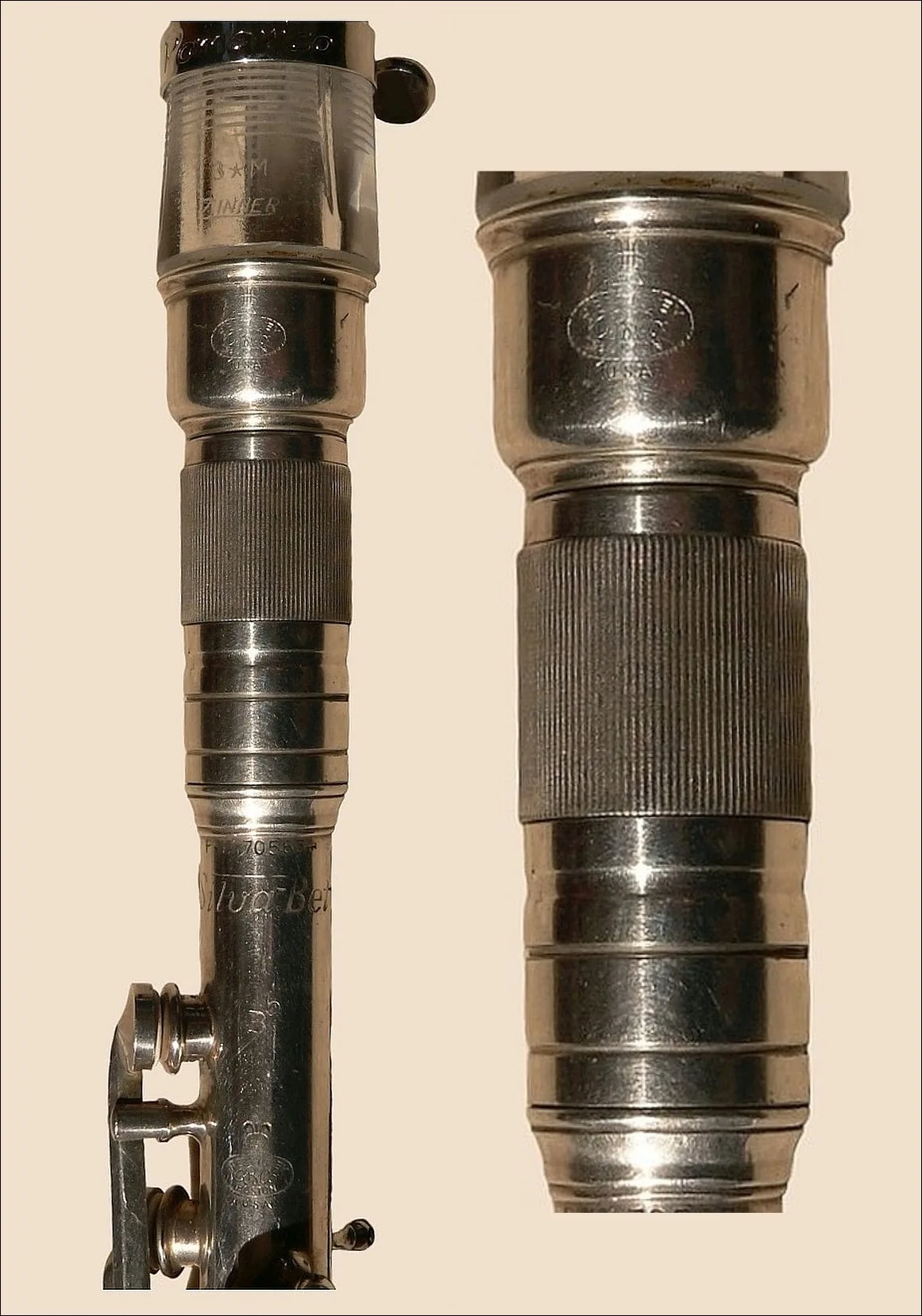 |
This chromatic fingering chart for the B-flat clarinet shows the basic positions. By using it regularly, you will learn the necessary clarinet fingerings.
Improving on the clarinet
After learning the basics of the clarinet, it is essential to continue developing your playing. Use methods and exercises designed for beginners. This will strengthen your technical and musical skills.
Methods and exercises for beginners
There are many methods for learning the clarinet. They offer a suitable progression and cover fingering, embouchure, breathing, and articulation.
The exercises are tailored to each stage. The goal is to develop sound technical control and explore the musical repertoire.
Diatonic and chromatic scales
Learning diatonic and chromatic scales is essential. It develops finger dexterity and improves the accuracy of your notes. Start with simple scales.
Then work on more complex scales. This will help you master your instrument.
FAQ
What are the benefits of learning the clarinet?
How do you assemble a clarinet correctly?
How do you produce your first sound on the clarinet?
What are the basic clarinet fingering techniques?
Which exercises and methods are recommended for improving on the clarinet?
Source links
- https://www.orsymphony.org/orchestra/todd-kuhns
- https://www.stepwisepublications.com/clarinet.html
- https://www.fingeringchart.org/pages/clarinet-fingering-chart
- https://www.theclarinet.net/HowTo/clarinet-scales.html
- https://clarinet.org/wp-content/uploads/2021/02/Clarinet-Fundamentals_v1.7.pdf
- https://www.skyleapmusic.com/printable-clarinet-fingering-chart.html