
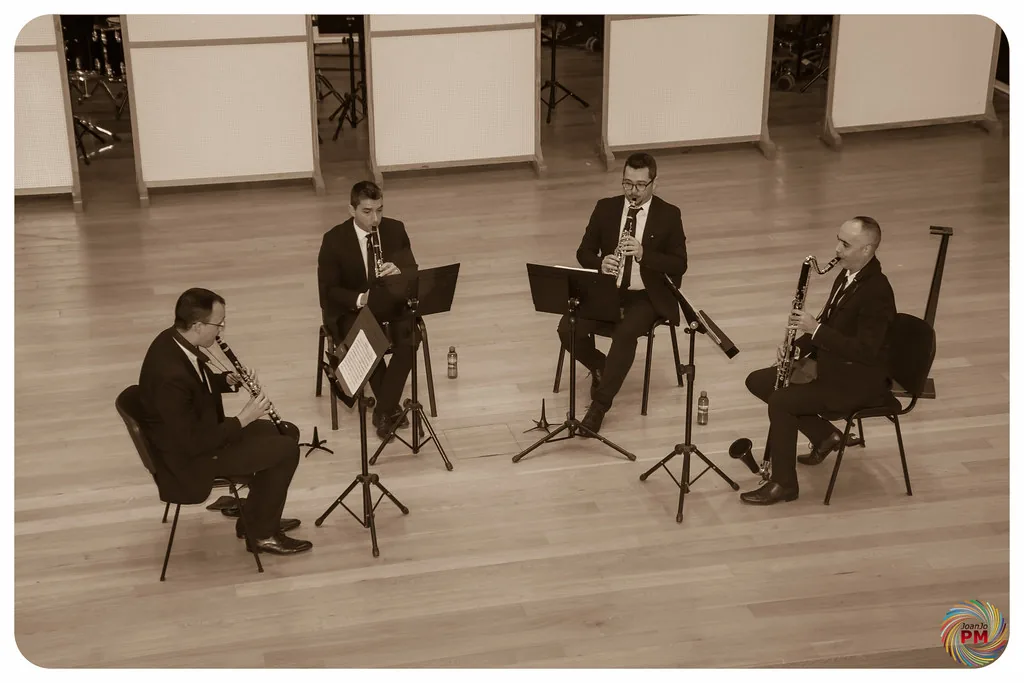

The clarinet is a fascinating wind instrument. However, learning to play it can seem difficult for beginners. This guide offers essential advice to help you get started.
You will discover the instrument’s structure, how to produce a sound on the clarinet, and the basic techniques. You will also learn ways to improve quickly. This guide is for everyone, whether you are young or an adult.
What is a clarinet, and how does it produce sound?
The clarinet is a wind instrument. It consists of several key parts: the mouthpiece, barrel, upper joint, lower joint, and bell. The mouthpiece, into which the player blows, plays a crucial role in producing sound. Understanding the structure of the clarinet is essential when learning to play it.
How to assemble a clarinet
Assembling a clarinet involves carefully joining the parts of the instrument. Make sure everything fits together properly. The upper and lower joints should connect smoothly. Correct assembly is essential for the instrument to function properly.
Choosing, fitting, and adjusting a reed
The reed is essential to the clarinet because it produces the sound. Choosing, fitting, and adjusting it correctly is important. Reeds are available in different types and strengths. Clarinetists should try several to find the one that suits them. Once selected, the reed must be secured to the mouthpiece with a ligature.
“The clarinet is widely used in bands, orchestras, and jazz ensembles.”
Basic techniques for a strong start
Learning to play the clarinet begins with holding it correctly. Keep your back straight and your shoulders relaxed. Your arms should be slightly away from your body. Your fingers should cover the holes and rest gently on the keys.
Place your left hand on the upper part of the instrument and your right hand on the lower part.
Holding the instrument: hand and finger position
Good posture and correct hand and finger position are essential for playing well. Keep your back straight and your shoulders relaxed. Your fingers should cover the holes and rest gently on the keys, giving you better control of the instrument.
Embouchure and producing your first sound
Producing your first sound on the clarinet requires a good embouchure. Place the mouthpiece between your lips. Your lower lip should slightly cover your bottom teeth. Your upper lip rests against the top of the mouthpiece.
By blowing gently with support from your diaphragm, you make the reed vibrate. This produces your first clarinet sound.

“Correct hand and finger position on the clarinet is essential for producing a good-quality sound and controlling the instrument more effectively.”
First fingerings and notes: avoiding squeaks
After learning how to form your embouchure and produce a sound, it is time to explore clarinet fingerings. G is often the first note learned and is played with the left thumb. This provides a simple starting point.
You will then add other fingers to play more notes. The goal is to coordinate your fingers properly and avoid clarinet squeaks. These unwanted sounds are common while learning.
- Begin with G, using only your left thumb.
- Gradually add the other fingers to play the notes of the scale.
- Focus on coordinating your fingers to avoid squeaks.
- Practice regularly to improve your dexterity and mastery of clarinet fingerings.
| Beginner clarinet model | Recommended reed | Clarinet maintenance |
|---|---|---|
| Yamaha 255 | Strength 2 to 2½ reed | Grease the corks every week |
| Buffet-Crampon B 12 | Strength 2 to 2½ reed | Use a cleaning kit with a swab after every playing session |
With regular, patient practice, you will quickly learn the first clarinet fingerings. You will play your first clarinet notes with a clear sound and without clarinet squeaks.
“Finger coordination is essential for avoiding squeaks while learning the clarinet.”
Learning the clarinet: tips for beginners
Starting the clarinet can seem difficult. However, with patience and effort, you will improve quickly. It is important to play regularly, even if only for a short time each day.
Listening to music will inspire you. Asking a teacher for help is also a good idea, especially when you are starting out.
Learning the basics, such as holding the instrument and producing a sound, is essential. With practice, you will master your first fingerings and notes. Music theory is also important for reading sheet music.
Learning the clarinet takes effort, but it is highly rewarding. Before long, you will be playing your favorite songs. You might even join an orchestra or a jazz band. With determination and guidance, you can become a skilled clarinetist.
FAQ
What are the main parts of a clarinet?
How do you assemble a clarinet correctly?
How do you choose, fit, and adjust a clarinet reed?
What posture and grip should you use when playing the clarinet?
How do you produce your first sound on the clarinet?
What are the first clarinet fingerings to learn?
What are the best tips for beginning the clarinet?
Sources
-
- Learning the clarinet
- Clarinet fundamentals
- Clarinet guidance for beginners
- Understanding the clarinet
- Clarinet tone and technique
- Clarinet structure and sound production
- Beginning a musical instrument
- Choosing and learning an instrument
- Beginner clarinet equipment
- Clarinet embouchure and basic technique
- Clarinet fingering and practice
- Clarinet care and assembly
- Getting started with the clarinet