
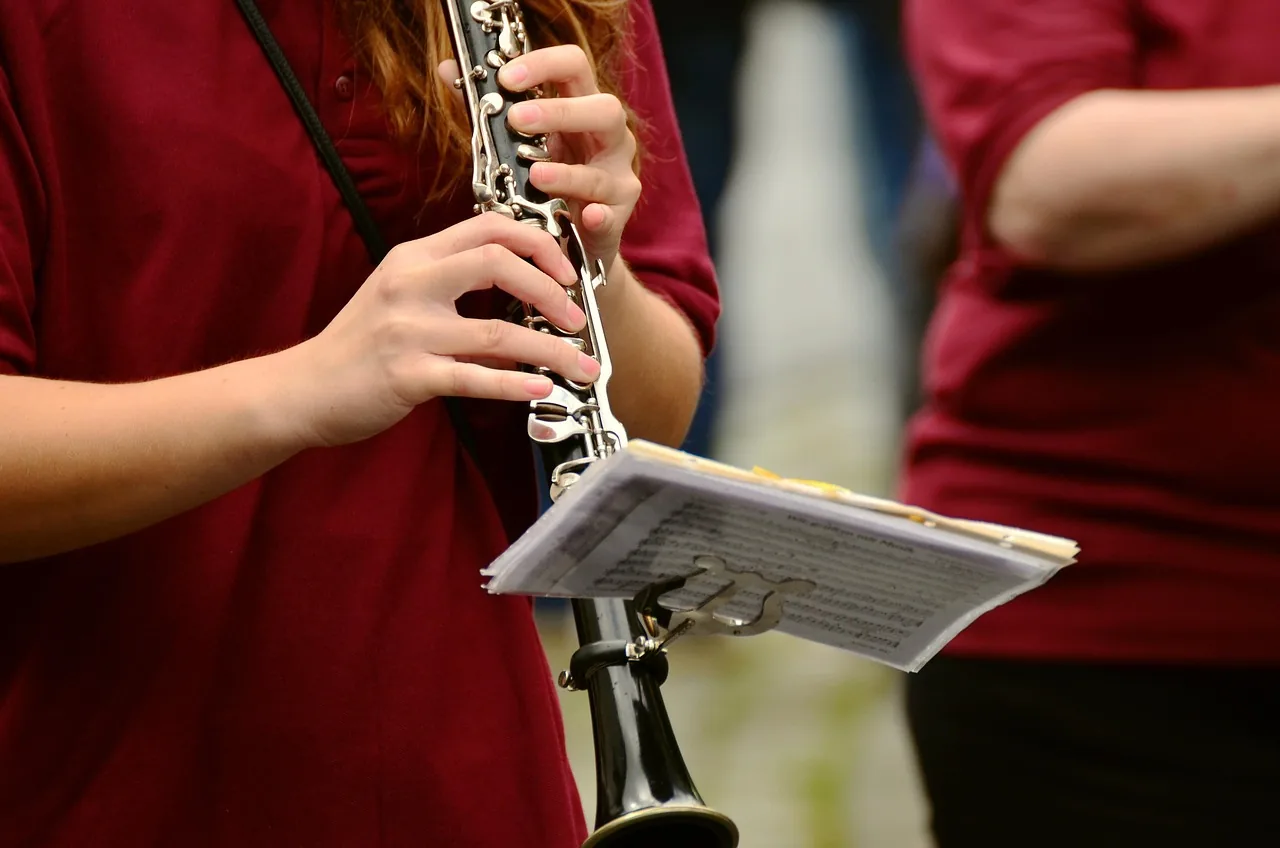

The clarinet is an instrument in the woodwind family. It has a range of four octaves. To become a good clarinetist, you need to master the instrument’s playing techniques and practical skills.
This guide will help you become a virtuoso. You will discover the fundamentals of the instrument, essential technical skills, and its different registers and styles. This will enable you to play the clarinet expressively.
Why choose the clarinet?
The clarinet is an excellent choice for anyone who wants to express emotions through music. It has a range of four octaves, allowing it to tackle many styles, from classical music to jazz.
Advantages of the clarinet
The clarinet has a rich, warm tone that musicians greatly appreciate. It is ideal for beginners and experienced musicians alike. Everyone can find their own style and improve their technique.
Challenges of learning the clarinet
Learning the clarinet can be difficult, especially for beginners. The embouchure and complex fingerings require practice. The first attempts can be frustrating.
With patience and regular practice, however, these challenges can be overcome. The clarinet reveals its potential over time.
“With patience and perseverance, the clarinet reveals its full potential for musical expression.”
Fundamentals of learning the clarinet
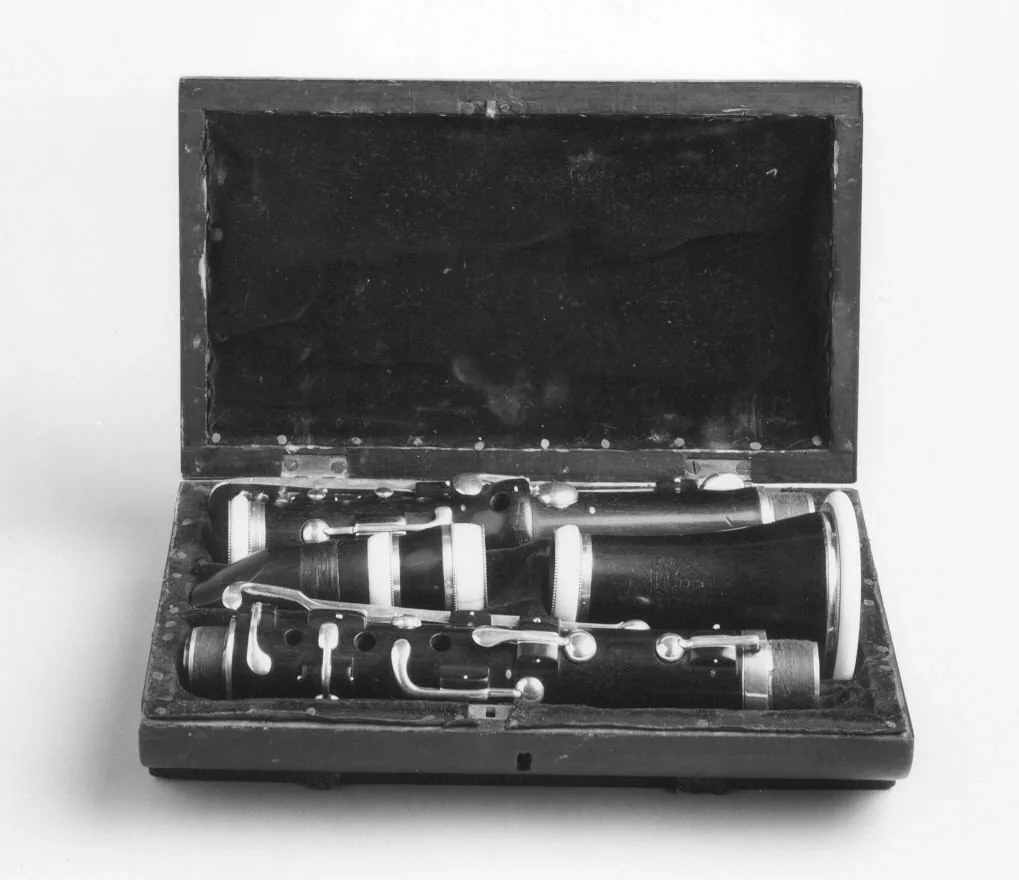
Before you begin, it is important to understand how the clarinet works. The instrument has a wooden or plastic body divided into several principal sections, including the mouthpiece, barrel, joints, and bell. These parts work together to produce notes, and each contributes to the quality of the tone.
Description of the instrument
A closer look at the clarinet reveals a complex mechanism. It has keys that contribute to playing alongside the embouchure, breath, and tone control. Every part of the clarinet should be studied carefully to play well.
Assembling and maintaining the clarinet
Assembling the clarinet requires precise movements to avoid damaging it. Regular maintenance, such as cleaning the keys and lubricating the mechanisms, is crucial. It keeps the clarinet in good condition and preserves its tone quality.
Playing posture and embouchure
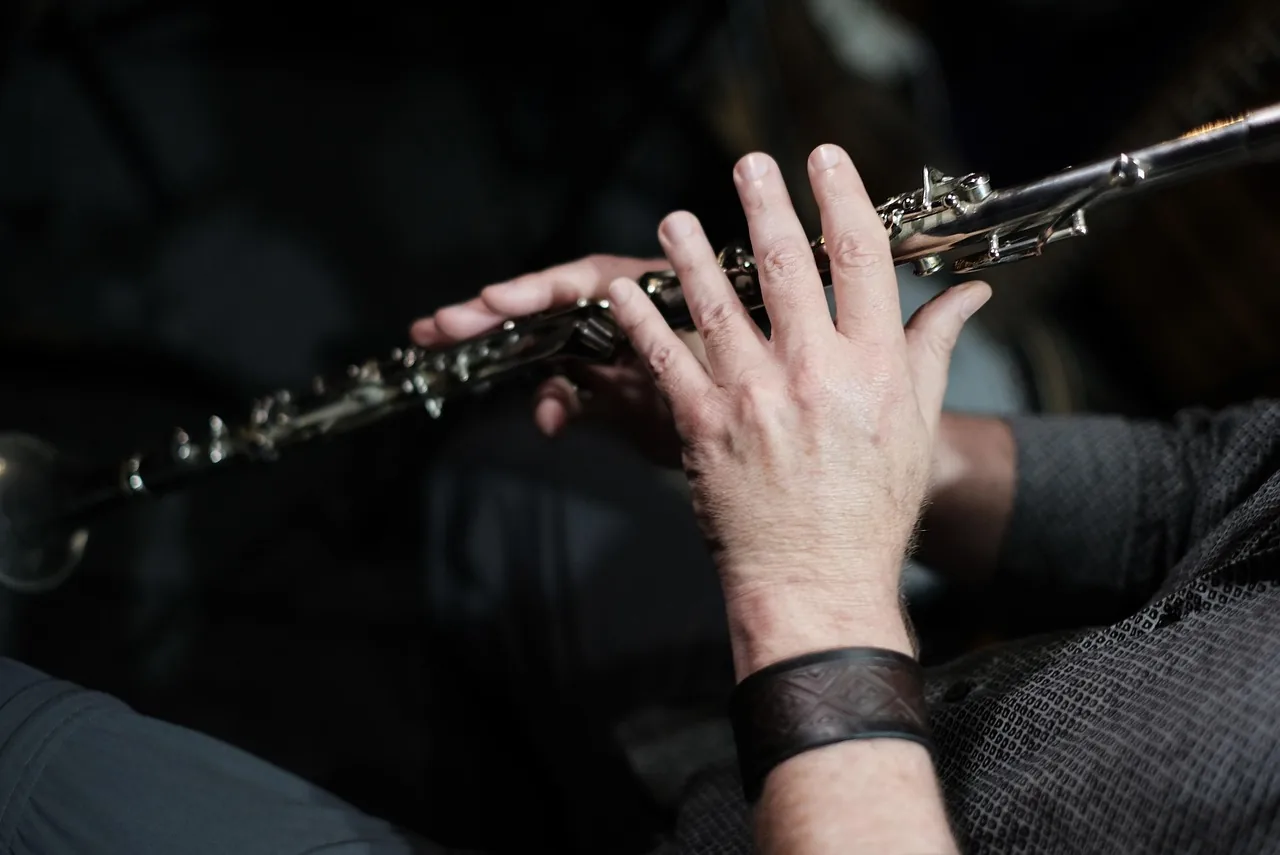
Mastering the correct clarinet playing posture and embouchure is essential. The position of the hands, fingers, and mouth is crucial. It helps control the breath and produce a clear, steady tone.
“Developing the correct embouchure habits and reflexes—including lip tension, tongue placement, and breath control—requires careful, consistent practice.”
The art of the clarinetist: techniques and tips
After learning the fundamentals, the clarinetist should focus on clarinet playing techniques. Fingerings, articulation, vibrato, and ornamentation all require practice. Working on them helps players master their instrument. With its varied registers and timbres, the clarinet offers countless ways to evoke emotion.
Advanced clarinet techniques are essential for developing virtuosity. They include:
- Complex fingerings for greater agility and precision
- Varied articulation for expressive interpretation
- Vibrato to add depth and emotion
- Ornamentation to embellish musical phrasing
The clarinetist should also explore the musical interpretation possibilities offered by the instrument. The clarinet can create an endless palette of emotions and nuances.
| Composer | Work | Performers |
|---|---|---|
| Claude Debussy | Première Rhapsodie, Première Arabesque, Rêverie, Le Petit Nègre | Annelien Van Wauwe, Matthew Hanna, Olivier Penin, Carlos Silva, Sohee Oh |
| Jules Massenet | Meditation from Thaïs, Mélodie op. 10 no. 5 | Orlando Pimentel, Elena Abend, Luis Fernandez Castelló, Adva Hadida |
| Étienne Champollion, Jean Françaix | Prélude en Masque, Clarinet Concerto, Duo de Concert | Various performers |
| Philippe Gaubert | Fantaisie for Clarinet and Piano | Sojung Lee |
| Jean Françaix | Clarinet Concertos | José-Luis Inglés, Christopher Lee, Mariko Furukawa, Carlos Savall, Scott Meek |
By mastering these techniques and exploring interpretation, the clarinetist can attain a high degree of virtuosity and deliver memorable musical performances.
“The clarinet is a magnificent instrument with an endless range of expressive possibilities. With suitable technical work and a confident artistic approach, the clarinetist can stir profound emotions in the listener.”
Developing technical skills
Learning the clarinet requires substantial technical work. Players must master fingerings and regularly practise fundamental exercises. Scales and arpeggios are key to developing agility and understanding the clarinet more fully.
Fingerings and fundamental exercises
Fingerings require extensive practice to develop speed and fluidity. Playing scales and arpeggios in every key is essential. These exercises provide a foundation for tackling more complex pieces.
Reading music and music theory
The clarinetist should also practise reading sheet music and understanding music theory. Recognizing clefs and mastering rhythms, phrasing, and dynamics is crucial. Music reading and music theory also help players understand scores more thoroughly.
In conclusion, becoming a good clarinetist requires work on fingerings, fundamental exercises, and sight-reading. Studying music theory is also important. This approach helps players master the instrument and understand its role in music.
Mastering musical registers and styles
The clarinet has a range of nearly four octaves. Learning to play in its different registers and move through smooth transitions is crucial. This allows players to use the clarinet’s entire tonal spectrum while controlling its timbre.
Registers and transitions
The clarinet is remarkably versatile. The clarinetist must learn to move effortlessly from one register to another. This is essential for expressive interpretation.
Exploring musical genres
The clarinetist should also become familiar with different musical genres. The repertoire extends from classical music and jazz to contemporary works. This diversity enriches the repertoire and creates new opportunities for artistic expression.

“The clarinet is an incredibly flexible instrument, capable of adapting to a multitude of musical genres. Mastering this diversity and performing such varied styles with equal finesse is a genuine challenge for the clarinetist.”
Conclusion
Playing the clarinet is an art that demands considerable effort and dedication. The instrument’s importance and richness nevertheless make it an exciting choice for musicians. With mastery and passion, players can become virtuosos and share their music.
Mastering the clarinet is a challenge for musicians, but meeting that challenge is immensely rewarding. It is ideal both for children discovering music and for adults looking to unwind. It opens a door to the world of music—a place for learning and creating.
Learning the clarinet is an enriching journey. It gives musicians an opportunity to express themselves and share their passion. This instrument deserves to be discovered by anyone seeking a unique musical experience.
FAQ
What are the main advantages of the clarinet?
What are the challenges of learning the clarinet?
What are the main parts of a clarinet?
How should you assemble and maintain a clarinet?
What are the key elements of proper playing posture and embouchure?
Which essential playing techniques must an accomplished clarinetist master?
How can clarinetists take advantage of their instrument’s extensive range?
What are the principal musical genres in which the clarinet is used?
Source links
- https://en.wikipedia.org/wiki/Clarinet
- https://www.open.edu/openlearn/history-the-arts/music/an-introduction-music-theory/content-section-0?active-tab=description-tab
- https://www.merriam-webster.com/dictionary/transposition
- https://www.musictheory.net/lessons
- https://en.wikipedia.org/wiki/Reed_(mouthpiece)
- https://www.vsl.co.at/academy/woodwinds/clarinet
- https://www.open.edu/openlearn/history-the-arts/music/an-introduction-music-theory/content-section-0
- https://en.wikipedia.org/wiki/Clarinet_Concerto_(Mozart)
- https://www.open.edu/openlearn/history-the-arts/music/an-introduction-music-theory/content-section-0
- https://en.wikipedia.org/wiki/Music_education
- https://en.wikipedia.org/wiki/Arts_in_education
- https://bostonconservatory.berklee.edu/academics/undergraduate
- https://en.wikipedia.org/wiki/Sound_recording_and_reproduction
- https://www.yamaha.com/en/musical_instrument_guide/clarinet/structure/
- https://en.wikipedia.org/wiki/Clarinet
- https://www.jstor.org/subject/music