
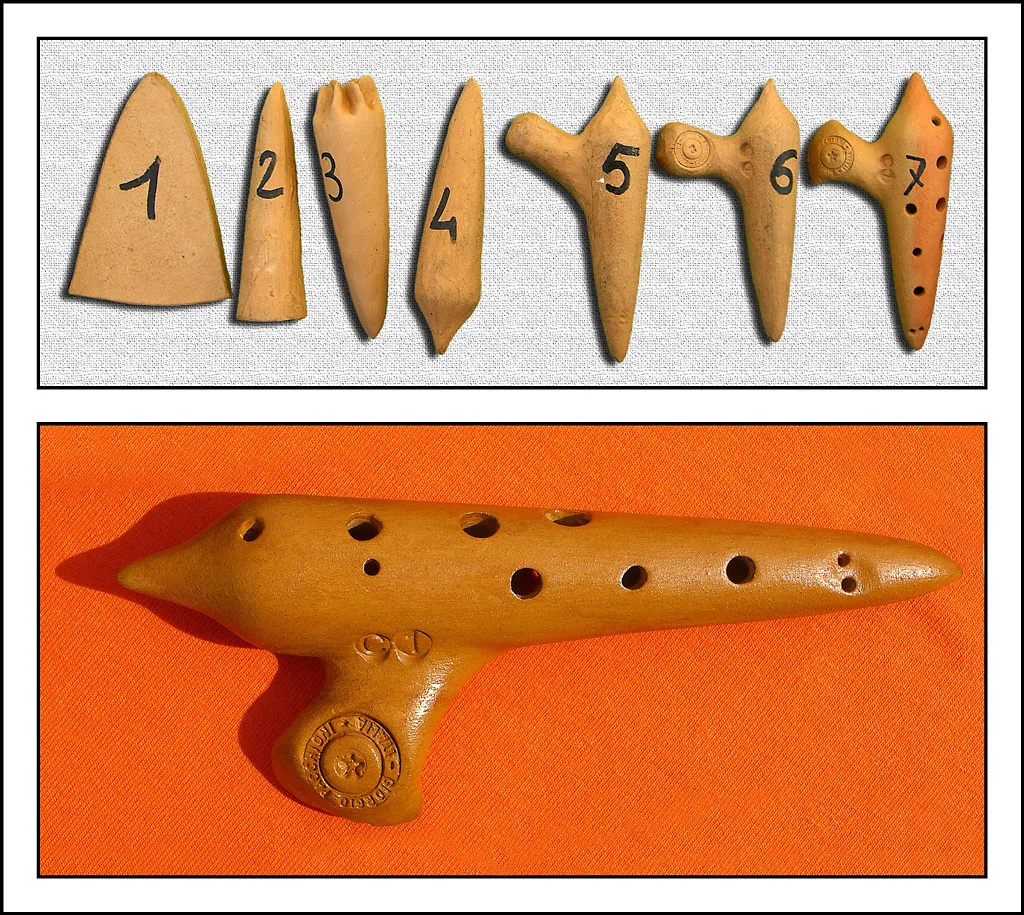

Choosing your instrument first requires understanding the differences in tone and feel. Since Giuseppe Donati modernized its transverse form in 1860, this instrument has retained its age-old charm while adopting a standard shape suited to today’s musicians.
Its popularity has soared (+300% since 2015), driven by cultural phenomena. Beginners and enthusiasts should consider their budget, intended level, and the types of models suited to their hands.
This guide provides clear criteria: finish quality, durability, impact resistance, and the risk of counterfeits. Also consider price, maintenance, and a case to preserve the tuning and long-term enjoyment of playing.
Goal: to help you make the right choice between the warmth of wood and the precision of ceramic, favoring reliable brands and a first purchase suited to your level.
Introduction to the World of the Ocarina
This small wind instrument has ancient roots. The Maya and Aztecs played it, often during rituals and celebrations.
In 1860, Giuseppe Donati modernized its shape and popularized the transverse model. Since then, many musicians have adopted this design for its comfort and accurate intonation.
Understanding the different types is the first step in your learning journey. Models vary in size, number of holes, and range. These characteristics affect tone and ease of playing.
Accessible to beginners, this instrument often produces clear sounds from the very first lessons. It works equally well for traditional music and contemporary compositions.
“A single breath can reveal a broad palette of tonal colors.”
In short: knowing the instrument’s origins, its different types, and the history of its modernization helps you choose a model suited to your playing and musical goals.
Wooden or Clay Ocarina: Which Is Better for a Beginner?
For a beginner, the right instrument should combine ergonomics, accurate intonation, and ease of learning.
Models with Finger Holes
The 12-hole model remains the recommended standard. It provides a broad range of notes and works with most sheet music.
This model lets you play simple melodies while also providing access to more complex tunes. Musicians appreciate its compatibility with commonly available repertoire.
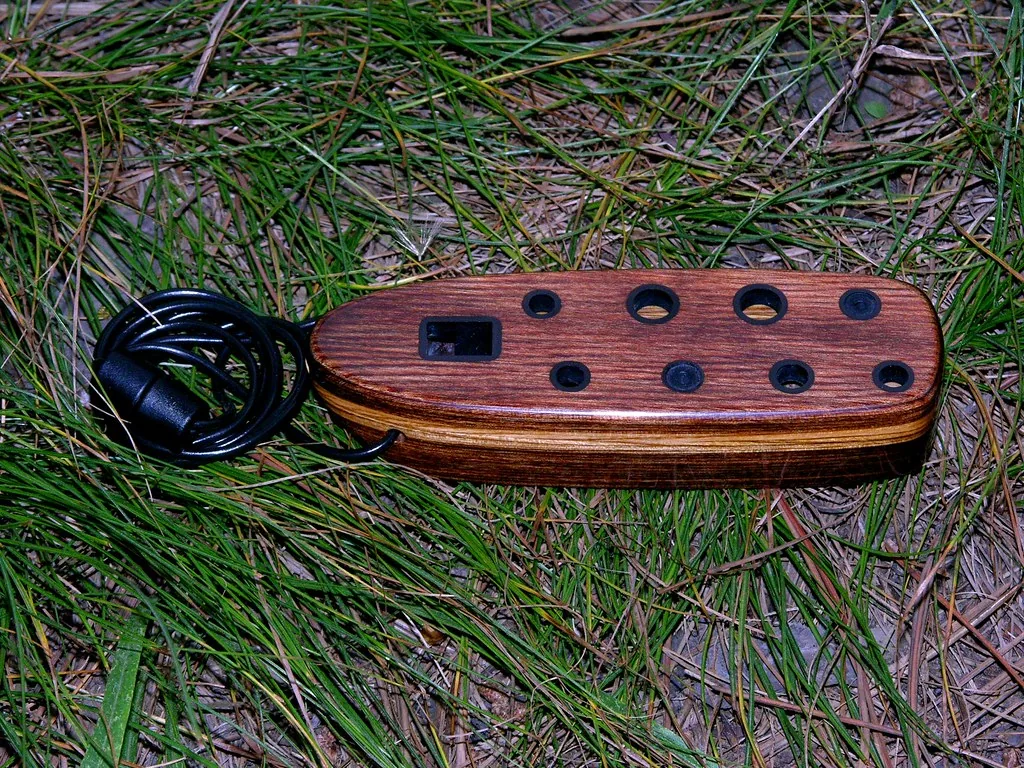
The Importance of Tuning
Always check that the instrument is tuned to C major before buying it. Accurate tuning makes learning easier.
The quality of the material and finish directly affects intonation and the model’s longevity.
“A well-tuned instrument is a beginner’s best ally.”
| Model | Advantage | Care |
|---|---|---|
| Standard 12-hole model | Full range, compatible with sheet music | Regular cleaning and protection from impacts |
| Solid wood model | Warm tone and pleasant feel | Controlled humidity and protective finish |
| Ceramic model | Projection and precision | Fragile; handle with care |
Practical advice: choose a purchase suited to your budget and level. To learn more about caring for a wooden model and its benefits, read this guide to wooden models.
Understanding the Tonal Differences Between Materials
The body material directly affects projection and note sustain.
The Projection of Ceramic
Ceramic delivers a sound quality characterized by clarity and strong projection. It is well suited to studio recordings and concerts where precision matters.
Ceramic models maintain stable intonation. Beginners can therefore learn with greater confidence, without frequently adjusting the tuning.
“Ceramic promotes a clean attack and stronger projection.”
- Wood, by contrast, produces a warmer, more expressive tone (reference: Hind Ocarina).
- Plastic remains a durable, affordable option for a first purchase.
- The number of holes and the internal geometry alter resonance and playing dynamics.
| Material | Strength | Recommended use |
|---|---|---|
| Ceramic | Projection and precision | Studio and outdoor performances |
| Wood (Hind Ocarina) | Warm tone and expressiveness | Acoustic pieces and solos |
| Plastic | Durability and price | Beginners and daily practice |
Durability and Care Analysis
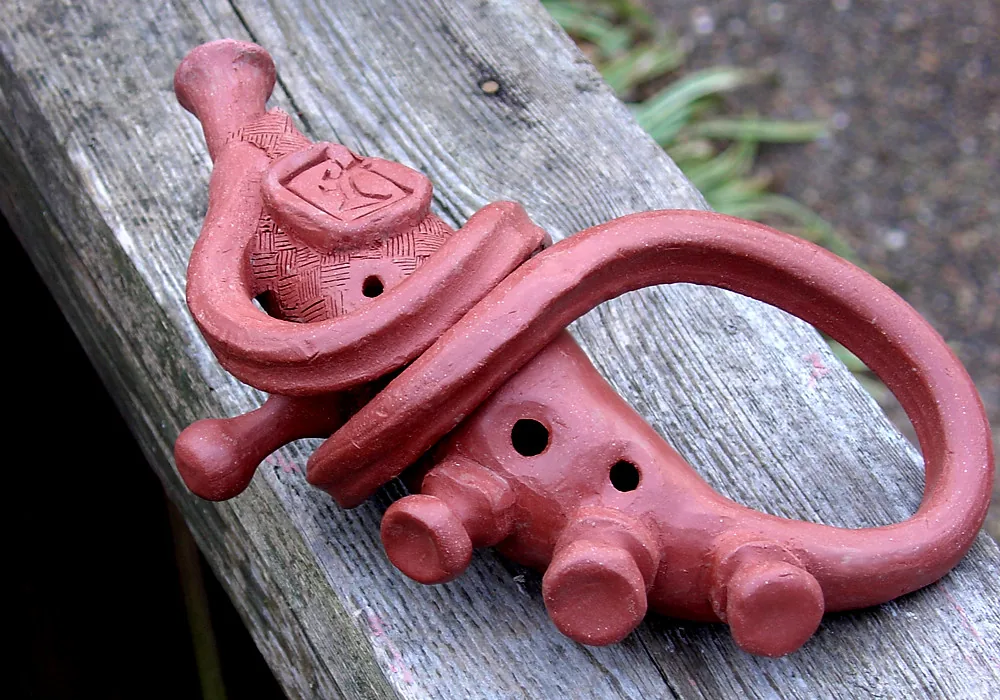
Protecting your instrument begins with understanding the material’s limitations. Ceramic models are very attractive but remain fragile and can break easily after even a minor impact.
Wooden instruments require different care. Maintain relative humidity between 45% and 55%, and regularly oil the surface to help prevent cracks.
Plastic provides excellent impact resistance. It is a good compromise if you travel often or if price is an important consideration.
Durability also depends on the quality of construction. Check airtightness, finish, and tuning stability before making any purchase.
- Protect your instruments with a hard case.
- Check their condition regularly and clean them with suitable products.
- Invest in cleaning supplies and a shock-resistant case.
Buying guide: this resource helps you refine your choice according to material, price, and maintenance requirements.
“Simple care extends the life of your instrument and preserves its sound quality.”
Ergonomics and Everyday Playing Comfort
The right balance between weight and grip prevents fatigue and awkward movements. This is important for every player, especially beginners who spend long periods practicing exercises.
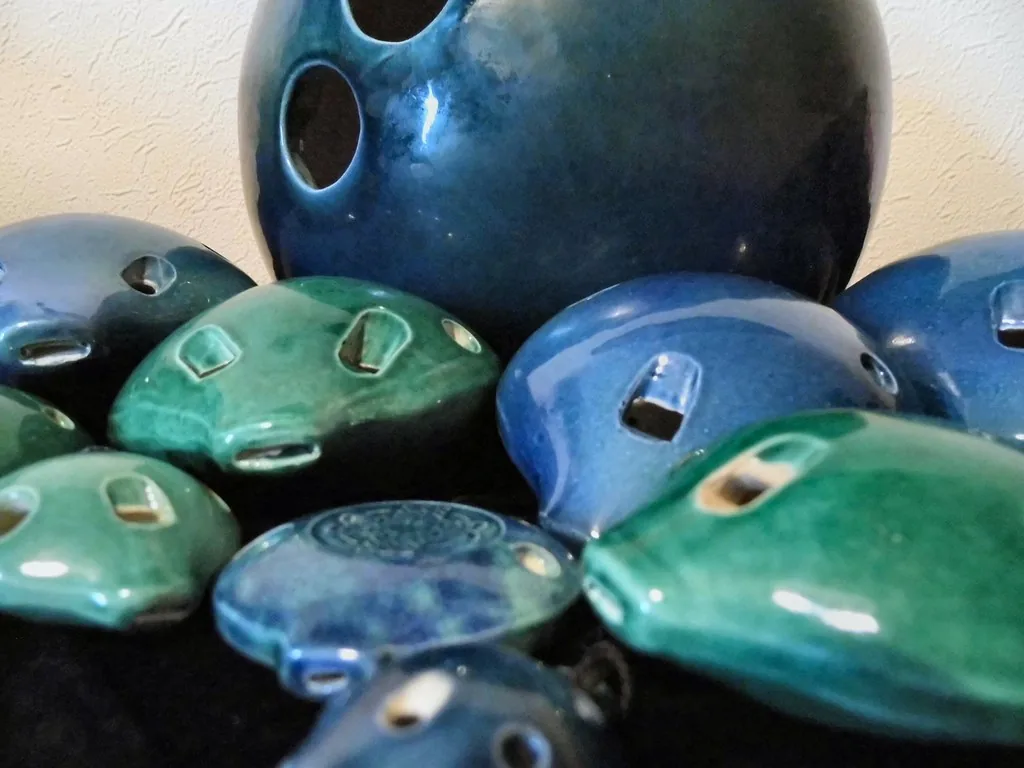
Instrument Weight
Weight affects the length of your playing sessions. Plastic models are often lighter and offer greater resistance to impacts.
A lightweight instrument reduces strain on the hands and makes daily practice easier.
Grip and Handling
The arrangement of the holes should allow the fingers to rest naturally. Choose a model with well-spaced holes to avoid strain.
Always test the grip before buying: a well-balanced instrument allows the musician to focus on playing instead of posture.
- Favor models suited to the size of your hands.
- A high-quality finish improves durability and comfort.
- Explore several shapes in the range to find the most comfortable grip.
For a closer look at this technical consideration, read this detailed comparison, which will help you make your choice based on weight and grip.
Choosing a Range to Suit Your Musical Repertoire
Your instrument’s range directly determines which tunes you can play.
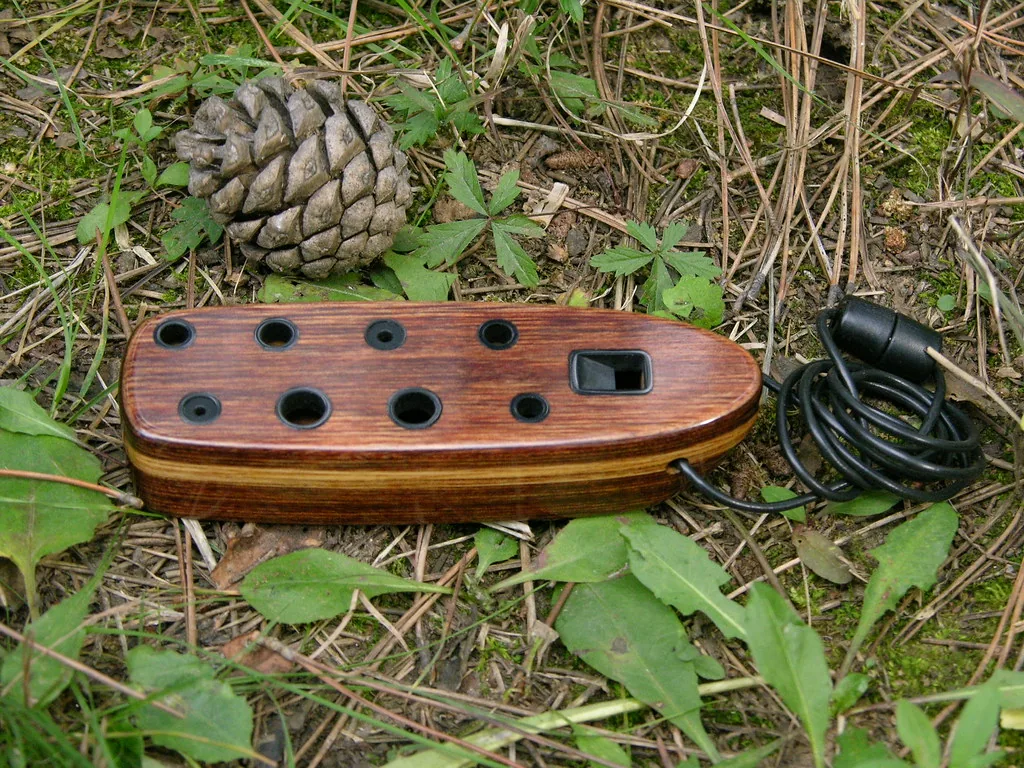
The soprano suits bright, high-pitched melodies. It brings clarity to melodic lines and works well for lively pieces.
The alto offers a range of warmer tones and considerable versatility. It suits most repertoire and works well in ensemble playing.
- Models with 12 holes remain an excellent starting point for beginners: they cover most of the notes needed to play popular songs.
- The number of holes and the internal geometry determine the range of notes and ease of phrasing.
- Whether you choose a wooden, ceramic, or plastic model, its range should match your intended repertoire.
As your skills develop, expand your collection with other ranges to vary your tone colors and enrich your playing.
For more information on this practical issue, read this comparison: ceramic or wooden ocarina.
Studio and Outdoor Use Cases
Studio or outdoors: each setting highlights different qualities.
Studio recording
Ceramic is often preferred for studio recording. It offers strong projection and consistent sound quality.
Musicians want clean note reproduction and predictable intonation. A ceramic model makes the sound engineer’s work easier.
Outdoor performances
Outdoors, many players choose a wooden instrument for its warmth and resistance to changes in humidity.
Wood copes better with changing environments while adding body to the tone during outdoor concerts.
The 12-hole model remains highly versatile. It covers a broad range of styles, from folk music to video-game music.
Plastic models are a good option for limited budgets and allow you to rehearse outdoors without exposing your main instrument to impacts.
“Watching a demonstration video often helps you choose before buying.”
| Setting | Recommended material | Key advantage |
|---|---|---|
| Studio recording | Ceramic | Projection and precision |
| Outdoor concerts | Wood | Warm tone and stability |
| Travel practice / limited budget | Plastic | Impact resistance and price |
| Versatility | 12-hole model | Broad range, suitable for beginners and professionals |
Practical advice: compare several models on video before buying, and pay particular attention to the care of wooden instruments when moving between the studio and outdoor settings to preserve their quality.
Tips for Avoiding Counterfeits Online
Always check a seller’s reputation before buying. Favor recognized brands such as STL Ocarina or Musique Terre instead of unknown sellers.
Be wary of prices that seem too low: 87% of ocarinas sold on certain marketplaces are poorly tuned. An abnormally low price is often a sign of a counterfeit.
Before completing your purchase, request a demonstration video, clear photographs, and, if possible, a tuning certificate. Check the number of holes and the range to ensure that the model meets your needs.
- Look for a return policy that provides a 14-day withdrawal period.
- Favor transparent manufacturers and consult authentic reviews.
- Avoid impulse purchases from shops that provide no information about tuning or warranties.
“An instrument’s quality depends as much on its material as on the trust you place in the seller.”
To refine your choice, consult this online-shopping guidance and follow this guide before buying.
Budget and Value for Money
Setting a realistic budget makes it easier to select an instrument suited to your level.
For beginners, a reliable 12-hole model remains the best compromise between price and sound quality. This model makes learning easier and prevents frustration caused by unstable tuning.
If your budget is tight, plastic models offer durability and easy maintenance without sacrificing too much sound quality. Conversely, gradually investing in a premium wooden or ceramic model will improve tone and projection.
Compare the available options using three criteria: material, finish, and brand reputation. Good value for money takes playing comfort, range, and longevity into account.
“A carefully considered purchase can support your musical development for years.”
In short, plan your purchase, test several models, and favor recognized brands to protect your investment.
Essential Accessories for Protecting Your Instrument
Investing in suitable protection often saves an instrument from everyday impacts. A hard case protects it from bumps and blows during transportation. It also preserves the tuning and the finish of wood or ceramic.
A hygrometer is essential for wooden instruments. It allows you to monitor humidity and helps ensure the material’s durability. A suitable oil and a compartmentalized case provide additional protection.
Regular cleaning remains simple: a microfiber cloth is sufficient. This routine is suitable for plastic, ceramic, and wooden models. An accurate tuner helps maintain good intonation during practice.
For concerts, a neck strap provides additional security. Always store your instruments in a dry place with stable conditions to avoid fluctuations that could harm their quality.
“Good equipment extends the life of your instrument and preserves its musical character.”
- Hard case: protection against impacts.
- Hygrometer: to help preserve wood.
- Microfiber cloth and tuner: maintenance and accurate intonation.
Conclusion
This final summary is intended to clarify the essential criteria for making a successful choice.
First define your budget and practical needs. Favor quality and reliability when making your purchase to ensure a good musical experience.
This guide gives you the information needed to make the right choice for your style and level. For more information, read this detailed guide.
With care and practice, this instrument will accompany your music projects for years.