

A breath, a note, a story. This small terracotta object captivates listeners with its clear sound and emotional power. It has travelled through the centuries, engaging with traditions from Europe and Asia.
For more than 12,000 years, ocarina playing and craftsmanship have evolved, yet the magic of its sound remains unchanged. Understanding its history helps explain why so many enthusiasts choose it to create simple yet profound melodies.
This guide explores the practical and cultural reasons behind its popularity in France today. You will discover why it holds a distinctive place in musical practice and how it inspires creativity among amateurs and professionals alike.
The origins of the instrument: thousands of years of history
The roots of this wind instrument stretch back thousands of years, as demonstrated by remains found across several continents.
The earliest evidence points to a very ancient tradition. The Runik ocarina, discovered in Kosovo, is approximately 8,000 years old and has six holes. This artefact demonstrates an already sophisticated understanding of acoustics.
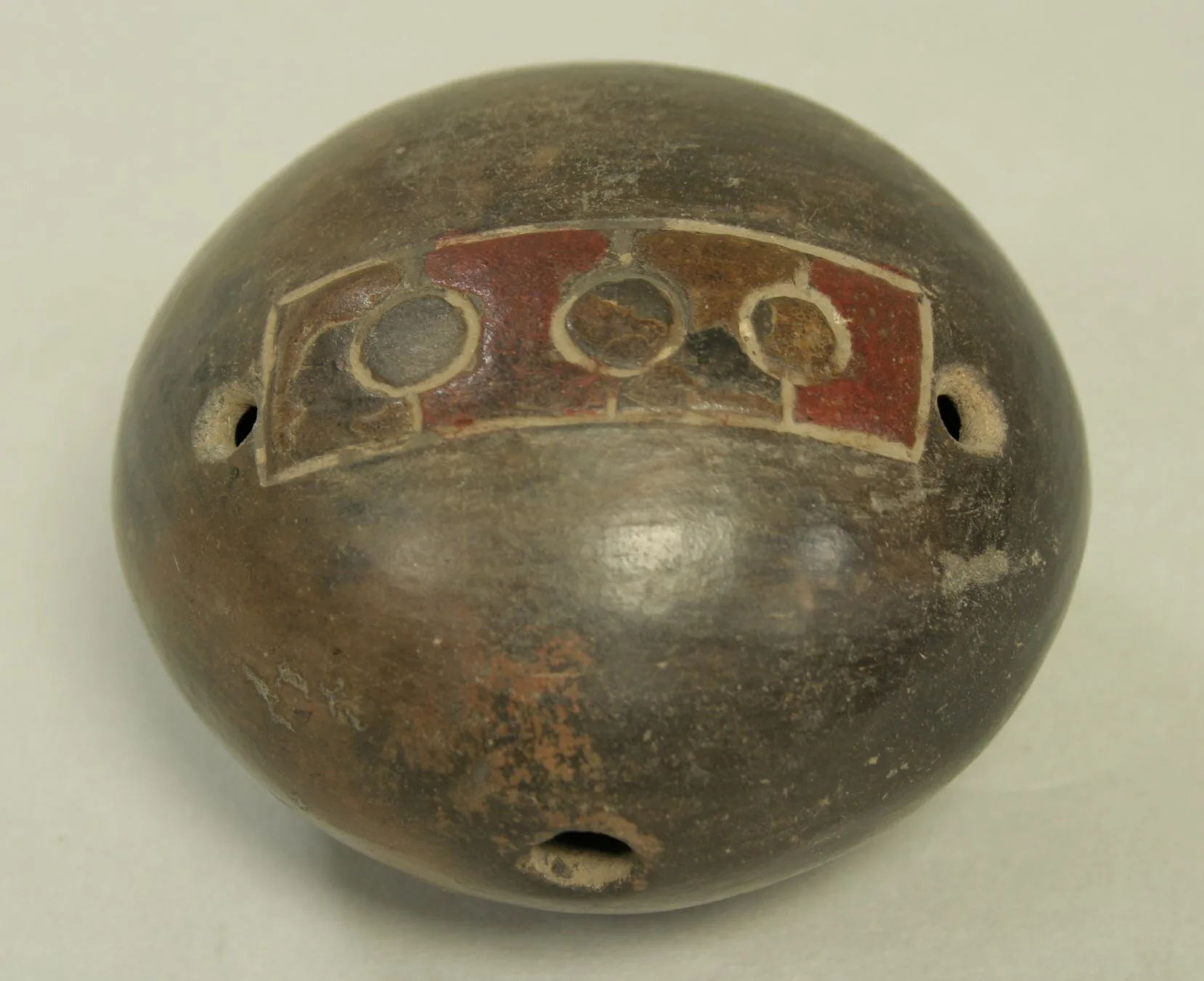
In the Americas, pre-Columbian civilisations used ceramic huilacapiztli during rituals. These objects produced precise melodies and punctuated ceremonial events.
Over the centuries, the oval terracotta form evolved. More recent versions feature increasingly complex shapes and hole arrangements while retaining a deep connection with the earth.
- More than 12,000 years of history, according to discoveries made around the world.
- Ritual and musical uses in numerous cultures.
Ocarina music: why this instrument is so fascinating
A gentle breath is enough to reveal a surprisingly rich and profound range of sounds.
Simplicity and the science of sound: its uncluttered form conceals precise acoustics. Control of fingering and breath produces rich harmonics, explaining the instrument’s ability to create meditative and moving tones.
Its connection with history deepens the experience. Playing evokes ancient origins and traditions that have endured for centuries. Every note becomes part of a cultural continuum.
Practical and compact, the instrument is easy to carry and play outdoors. It therefore offers a natural, immediate experience that is ideal for walks and informal gatherings.
“ Its expressive richness transcends its apparent simplicity: it is played with both soul and memory. ”
For listening ideas and approaches to interpretation, explore our selection of musical moods to listen to.
- Meditative sounds: encourage relaxation.
- Portability: makes it possible to play anywhere, in nature or in the city.
- Richness: a broad tonal palette despite its simplicity.
| Strength | Impact | Use |
|---|---|---|
| Easy to pick up | Quick access to the pleasure of playing | Learning and outdoor excursions |
| Sophisticated acoustics | Expressive nuances | Solo performance |
| Ancient heritage | Cultural connection | Educational projects |
Giuseppe Donati’s technical revolution
The arrival of a standard model in the mid-nineteenth century paved the way for new compositions and playing practices.
In 1853, Giuseppe Donati invented the ten-hole model. This configuration finally made it possible to play a complete chromatic scale. It transformed playing technique: musicians could produce more precise notes and expand their repertoire.
In 1864, the Gruppo Ocarinistico Budriese was founded to promote ocarina playing and introduce the new models to a wider audience. Standardising the holes ensured consistent sound across versions made by different craftspeople.
Standardising the ten-hole model
Standardisation turned the instrument into a professional tool. Materials also evolved: terracotta and ceramic remained prized for their warm sound, while plastic offered durability and accessibility.
- 1853: ten-hole model → chromatic scale
- Standardisation → consistent sound
- Varied materials → new possibilities for musicians
| Feature | Impact | Use |
|---|---|---|
| Ten-hole model | Complete chromatic scale | Classical repertoire and compositions |
| Standardisation | Sound quality and consistency | Training and orchestras |
| Materials (terracotta, ceramic, plastic) | Varied timbres and greater durability | Beginners and professionals |
“ Donati’s revolution paved the way for a modern and demanding repertoire. ”
The ocarina in popular culture and video games
When a video game becomes a cultural phenomenon, it can transform an ancient object into a popular icon.
Zelda: Ocarina of Time, released in 1998, did exactly that. Ocarina sales reportedly rose by 300% in 1999. Its success introduced the instrument to entirely new audiences.
Cinema also contributed to its popularity. In The Good, the Bad and the Ugly, the arghilofono provides a low, dramatic colour. Works from a variety of genres have consequently embraced the instrument.
Musicians around the world now blend this ancient breath-driven sound with modern compositions. Video games and television series have introduced its tones to a younger generation.
- Impact of popular culture: a worldwide rise in popularity after 1998.
- Media presence: cinema and video games strengthen its appeal.
- Communities: cover versions shared online.
| Medium | Effect | Example |
|---|---|---|
| Video games | Worldwide visibility among new generations | Zelda: Ocarina of Time (1998) |
| Cinema | Dramatic colour and adoption by composers | The Good, the Bad and the Ugly |
| Community | Cover versions, tutorials and original creations | Online performances and concerts |
To explore the origins of the ocarina and its journey across cultures, read our dedicated feature.
A practical guide to getting started with your instrument
Three things matter when you begin: choosing the right model, controlling your breath and practising focused exercises. These simple steps make learning easier and the experience enjoyable from the very first lessons.
Choosing your first model
For a beginner, ease of use and durability should come first. A plastic model is often recommended: it is affordable, robust and lets you play your first notes without worrying about damage.
Once you have mastered the basics, a terracotta model can provide superior sound quality and warmer timbres.
Mastering breath and fingering
The key lies in controlling your breath and positioning your fingers correctly over the holes. Practise short exercises every day.
Begin with slow scales, then move on to simple melodies. Consistent practice will help you produce accurate notes throughout the instrument’s range.
Resources for making progress
Numerous online tutorials, games and scores can guide beginners towards creating their own compositions. Look for lessons suited to the number of holes on your model.
- Children’s models: very simple four-hole versions.
- Intermediate models: six- to eight-hole models for continued progress.
- Advanced models: a complete range and varied materials.
“ Its simplicity makes it possible to play melodies within the first few weeks, but mastery requires patience and method. ”
To discover a terracotta model with an authentic sound, explore our selection of ceramic ocarinas.
Technological innovation and the future of the ocarina
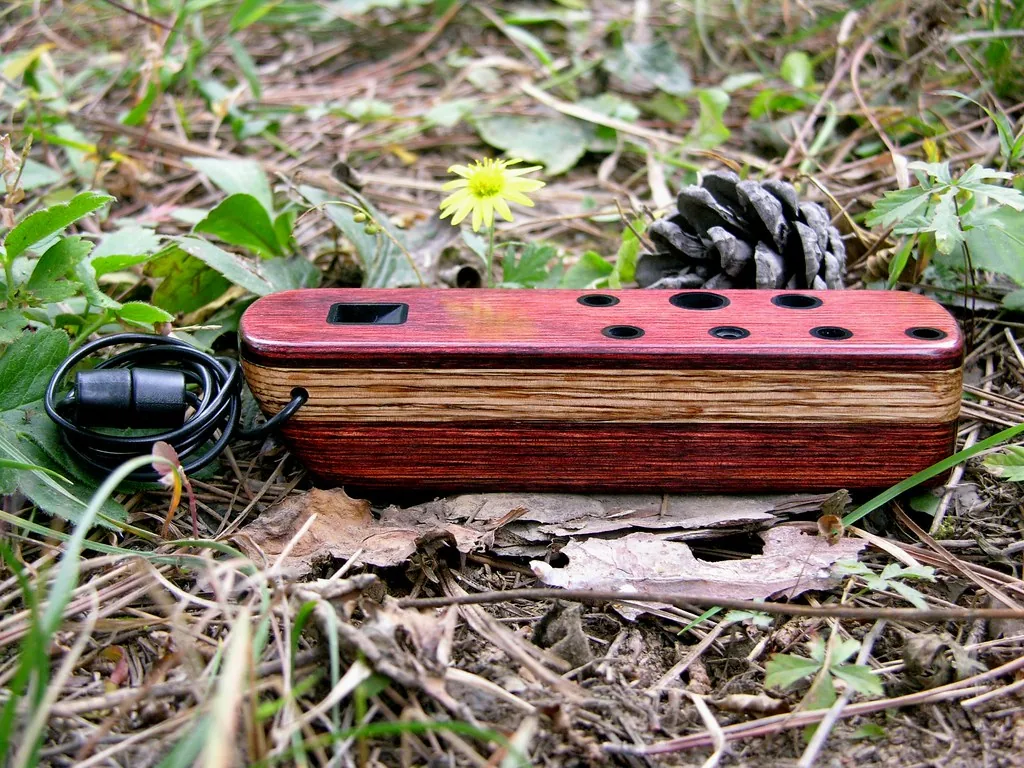
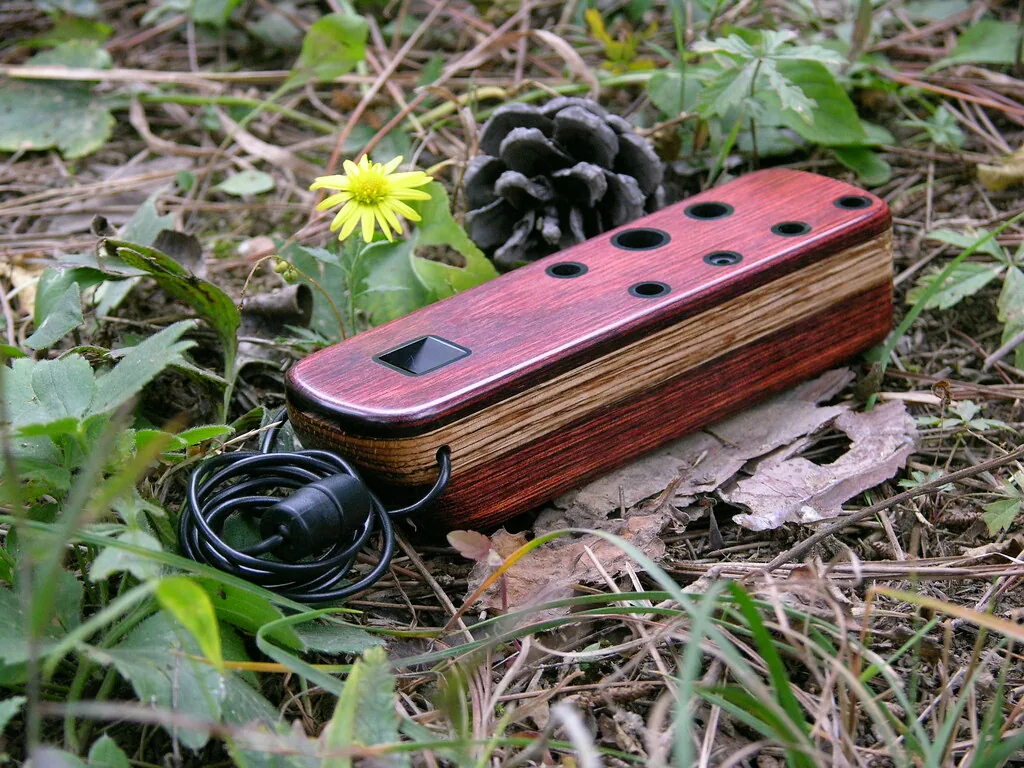
Digital sensors and MIDI outputs are bringing breath-controlled playing into today’s studio environment.
MIDI ocarinas give musicians new possibilities. They can control synthesisers, record tracks and mix electronic sounds while retaining the warmth associated with acoustic models.
Composite materials are gaining ground. They combine strength and lightness while preserving the sound quality of ceramic and terracotta versions.
- Multi-chamber models: an extended range for more complex melodies.
- Optimised holes: improved ergonomics and more accurate notes.
- Digital integration: easy recording and new compositional possibilities.
The ocarina’s worldwide popularity is supported by dedicated orchestras. These ensembles expand the repertoire from Baroque music to contemporary genres and encourage musicians to play together.
“ The meeting of ancient breath and digital tools is renewing both the repertoire and the way the instrument is played. ”
To develop your skills with suitable learning materials, explore these courses and resources. They can help you incorporate these innovations into everyday practice.
Conclusion
From moulded earth to the digital stage, the ocarina’s journey spans ages and cultures.
After 12,000 years of history, the ocarina retains a simplicity that resonates around the world. From archaeological discoveries to video games, its history reveals a remarkable ability to adapt.
In 2019, a record gathering brought together 3,742 musicians, demonstrating a popularity shared by beginners and experts alike. Its terracotta origins remain a symbol of authenticity.
To learn more about the origins of the ocarina or discover craftspeople and learning materials, browse our selection of craftspeople.