
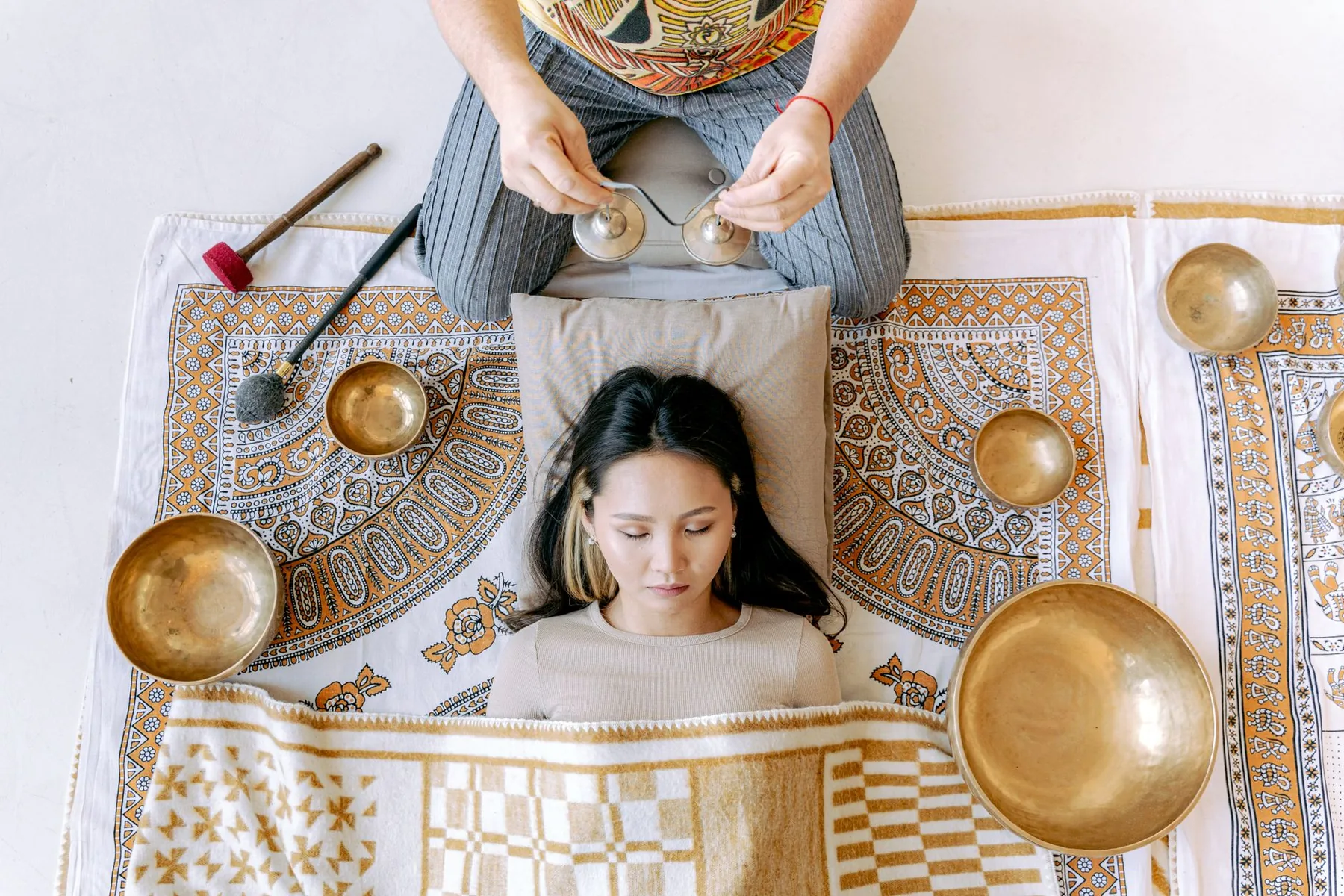

For thousands of years, an ancestral object, the Tibetan singing bowl, has been used in the Himalayan regions. Rich in history, this tool is far more than a simple instrument. It forms a link between sound and energy balance.
Its unique vibrational mechanism acts on the energy of the body. According to Hindu and Buddhist traditions, it influences the seven major chakras. This harmonization provides therapeutic benefits that have been recognized for centuries.
Today, this tool is incorporated into modern practices such as yoga, meditation, and reiki. Its use is endorsed by experts and supported by inspiring testimonials. This article will help you master this energy instrument and make the most of it.
Introduction to the Tibetan singing bowl and its connection with energy
Rooted in a tradition spanning thousands of years, this instrument fascinates people with its vibrational harmony. Tibetan singing bowls are far more than simple objects. They embody ancient wisdom passed down from generation to generation.
What is a Tibetan singing bowl?
Originating in the Himalayan regions, this tool dates back more than 5,000 years. It is made from an alloy of seven metals, each symbolizing a planet. For example, silver represents the Moon, while copper represents Venus.
Handcrafting the bowl, primarily in Nepal, requires the work of four artisans. This wintertime process ensures optimal quality. Hammered bowls are preferred to cast bowls for their therapeutic properties.
The body’s energy and the chakras
Tibetan singing bowls are closely connected with the chakras, the body’s energy centers. According to the Yoga Upanishads, their vibrations harmonize these key points. Today, this practice is incorporated into disciplines such as meditation and reiki.
For example, Sajan Thapaliya’s “OM SAJAN” bowl is designed for professional use. It perfectly illustrates this connection between sound and energy balance.
How the Tibetan singing bowl influences the chakras
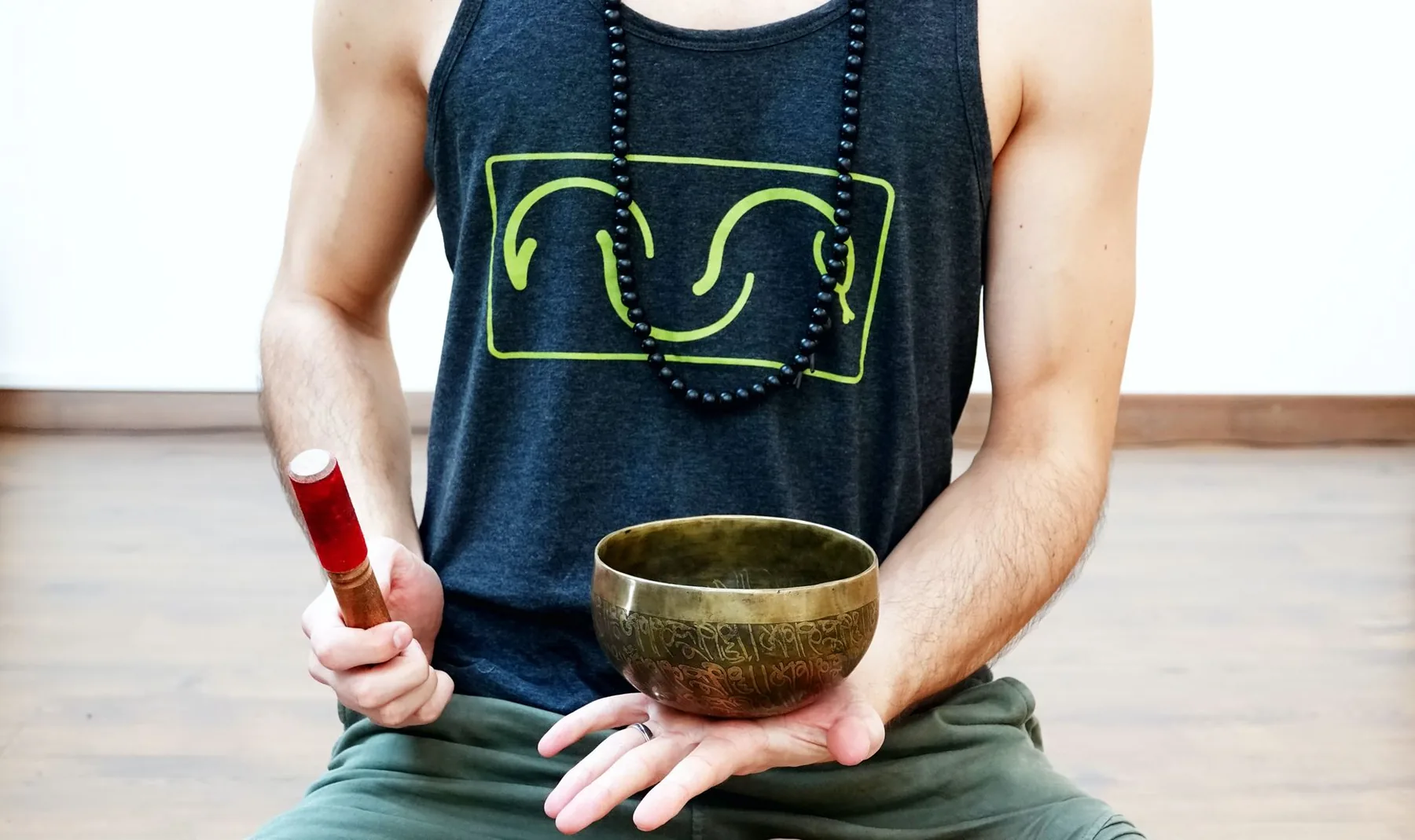
The harmonious sounds of singing bowls have a unique effect on inner balance. Their music acts as a bridge between body and mind through their deep vibrations. These sacred frequencies directly influence the chakras, our essential energy centers.
Sound vibrations and their impact on the chakras
According to cymatic theory, sounds generate waves that resonate with the body’s tissues. A 2017 study by McManus found that these vibrations produced effects greater than those of a placebo. For example, a quartz crystal bowl tuned to A at 432 Hz is considered particularly effective for harmonizing the third eye.
Correspondences between notes and chakras
Each note in the diatonic scale corresponds to a specific chakra. The following table explains these associations:
| Note | Chakra |
|---|---|
| C | Root |
| D | Sacral |
| E | Solar plexus |
| F | Throat |
| G | Heart |
| A | Third eye |
| B | Crown |
To learn more about these correspondences, read our guide to harmonizing the chakras.
The benefits of the Tibetan singing bowl for well-being
The sound vibrations of singing bowls offer unexpected benefits for well-being. This ancestral instrument has been used for centuries to improve mental and physical health. Its effects are now supported by scientific studies and inspiring testimonials.
Stress reduction and relaxation
The harmonious sounds of singing bowls act directly on the nervous system. A 2019 Japanese study found a 37% reduction in levels of cortisol, the stress hormone. These effects are attributed to stimulation of the vagus nerve, which promotes deep relaxation.
The “3-6-9” protocol is often recommended: three deep breaths, six strikes of the bowl, and nine minutes of listening. This method is incorporated into cognitive behavioral therapies to maximize results.
Improved concentration and meditation
Alpha waves (8 to 12 Hz), measured by EEG, increase significantly when singing bowls are used. This supports better concentration and deeper meditation. One person with generalized anxiety disorder reported a notable improvement after 21 days of daily practice.
Compared with other methods such as ASMR or binaural music, using this tool offers a unique approach to fostering well-being. However, it is important to note that people with pacemakers should avoid this practice.
How to choose the right Tibetan singing bowl
Choosing a singing bowl suited to your needs is essential if you want to enjoy its benefits fully. Several criteria should be considered, including its material, note, and frequency.
Selection criteria: material, note, and frequency
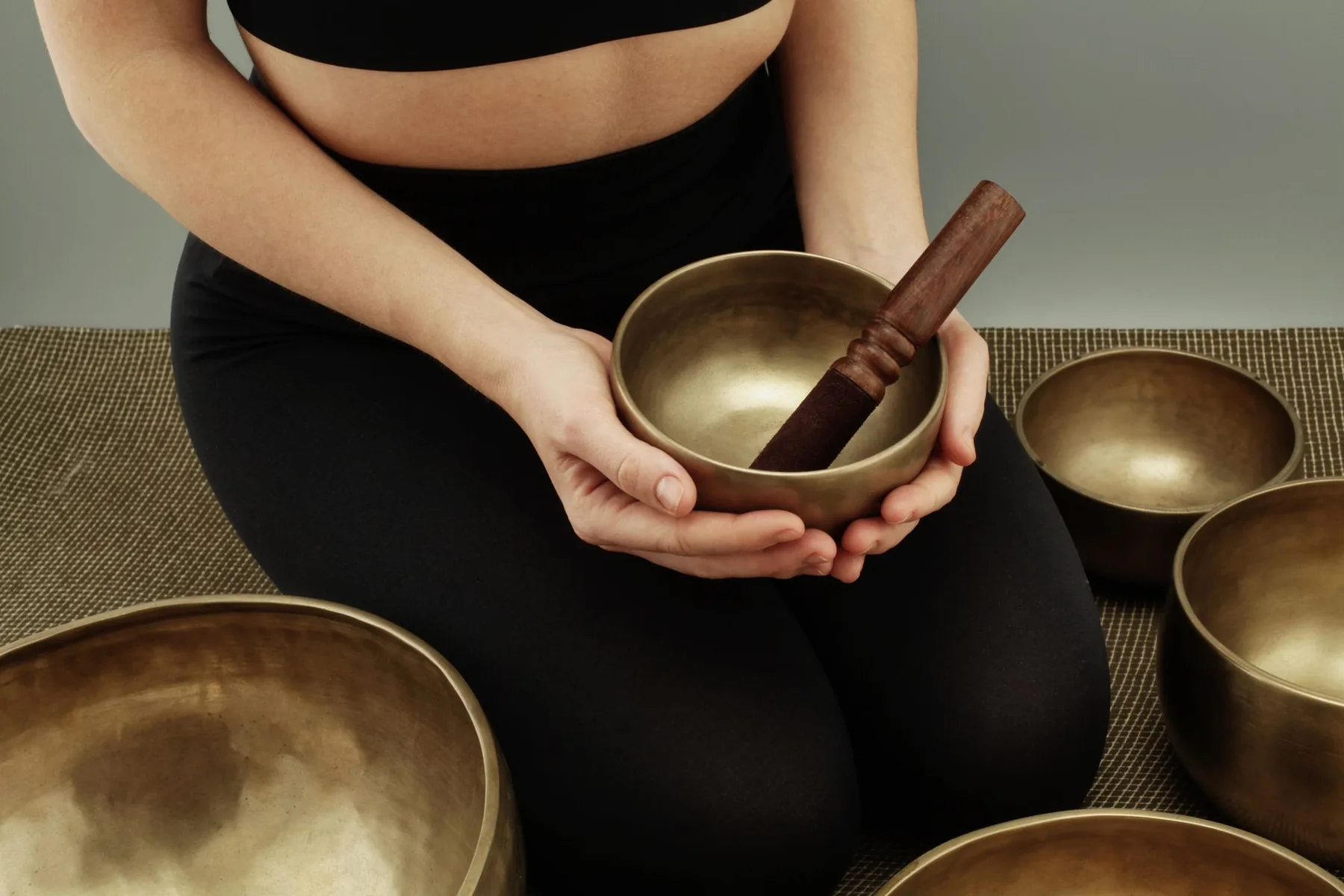
The material plays a key role in the bowl’s quality. Traditional metals, such as brass or bronze, produce rich, deep tones. Crystal bowls, by contrast, are prized for their clarity and pure sound.
The bowl’s note is also important. Each note corresponds to a specific frequency considered ideal for harmonizing the chakras. For example, a bowl tuned to A at 432 Hz is often recommended for the third eye.
Lastly, the frequency should suit your intended use. For meditation, a weight between 700 g and 2 kg is ideal. For sound massage, a thickness of 3 to 5 mm is optimal.
Differences between metal and crystal bowls
Metal bowls are made from an alloy of several elements, such as silver and copper. They are often less expensive, with an average price of €80. Their sound is warm and enveloping, making them perfect for beginners.
Crystal bowls are more expensive, at around €150, but offer exceptional sound clarity. Therapists often use them for their precision.
To learn more, read our complete buying guide.
Techniques for using a Tibetan singing bowl to balance energy
Exploring ancestral techniques for balancing your inner energy can be deeply rewarding. Passed down through generations, these methods help you make the most of this unique instrument. Here are two key approaches for fostering your well-being.
Meditating with a Tibetan singing bowl
Meditation with this instrument is a powerful practice. For right-handed people, placing the left hand beneath the bowl activates a specific energy circuit. Holding the suede-covered mallet at the optimal angle of 35° ensures harmonious vibrations.
The “five circles/three strikes” protocol, inspired by Bön monks, is particularly effective. This method creates deep resonance, making it ideal for calming the mind and balancing the chakras.
Sound massage and its effects
Sound massage is an advanced technique for releasing tension. When this instrument is used, the vibrations penetrate deep into the tissues, promoting total relaxation. The “Tibetan Flow” method, a sequence of seven positions, is often recommended.
A certified music therapist has attested to its effectiveness in treating tinnitus. However, it is important not to exceed 85 decibels to avoid any risk of hearing damage.
Steps for harmonizing your chakras with a Tibetan singing bowl
Harmonizing your chakras with an ancestral tool can be a transformative experience. Used for centuries, this practice helps rebalance the body’s energy centers. Here is how to get the most from it.
Preparing your space and mind
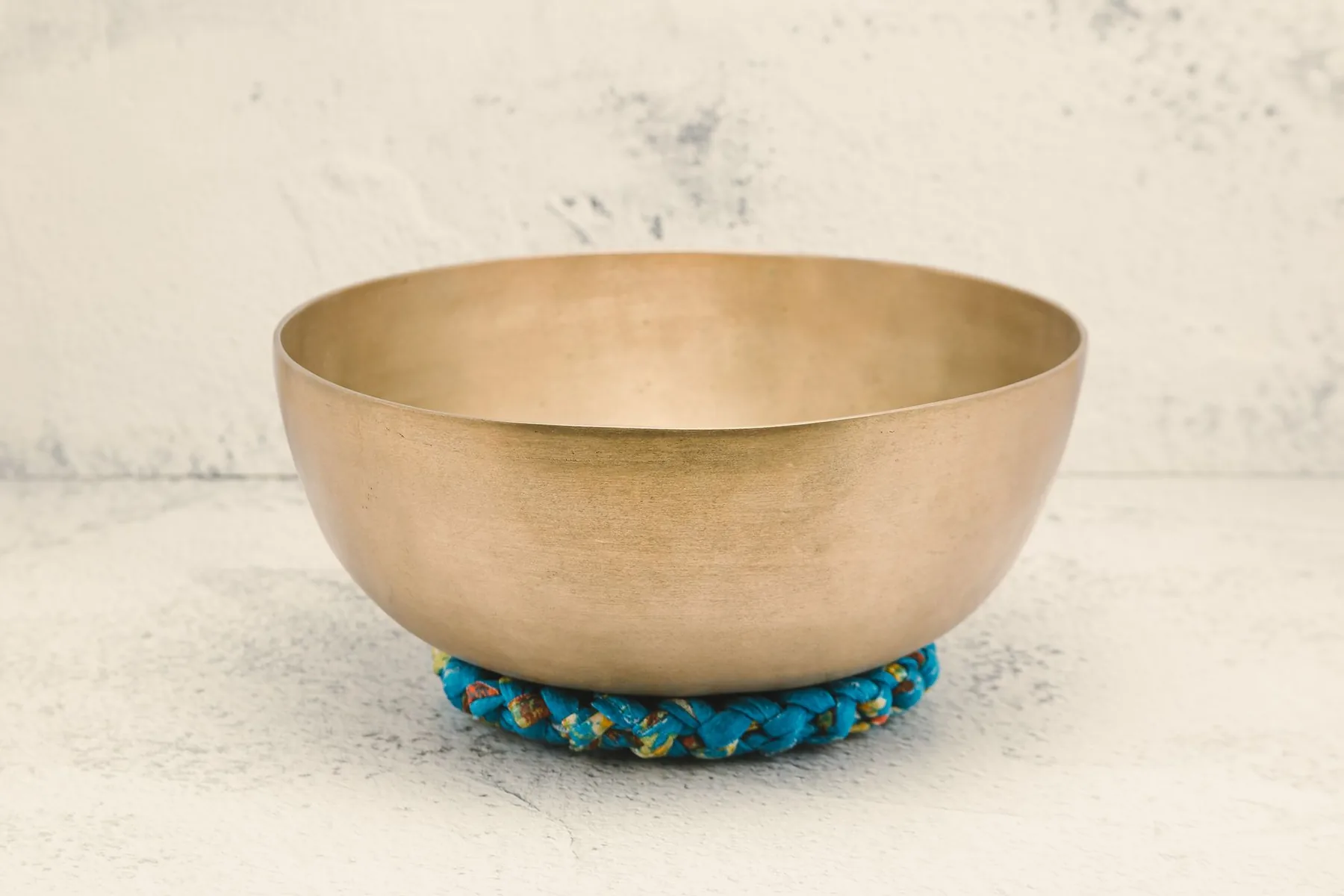
Before you begin, it is essential to create a suitable environment. Align your space along a north–south axis to create a sacred setting. Use essential oils such as sandalwood for the root chakra and bergamot for the heart chakra.
A cleansing ritual using sage smoke may also be beneficial. It clears the space and prepares the mind for the practice. Take a few moments to center yourself and connect with your intention.
Guided practice for each chakra
To harmonize each chakra, follow an ascending and descending sequence. Begin with the root chakra and progress toward the crown chakra, then reverse the process. Use specific mudras to reinforce the effects.
The following table will guide you through this practice:
| Chakra | Duration | Note |
|---|---|---|
| Root | 7 min 14 sec | C |
| Sacral | 7 min 14 sec | D |
| Solar plexus | 7 min 14 sec | E |
| Heart | 7 min 14 sec | G |
| Throat | 7 min 14 sec | F |
| Third eye | 7 min 14 sec | A |
| Crown | 7 min 14 sec | B |
After the session, take some time to record your feelings in an energy journal. This will help you track your progress and identify areas that need further work.
A professional yogini says: “This practice helped me regain a profound sense of inner balance. Above all, do not skip the sacral chakra: it is essential to overall harmony.”
Mistakes to avoid when using a Tibetan singing bowl
Using an ancestral instrument requires particular care if you want to avoid common mistakes. In fact, 63% of beginners break their mallet within the first three months. To enjoy its benefits fully, it is essential to know which pitfalls to avoid.
Bad practices and their consequences
Certain habits can undermine the desired effect. For example, rotating the mallet too quickly can damage the instrument. Likewise, excessive frequency—more than three sessions a week—may cause energy overload.
It is also crucial to avoid certain combinations, such as using this practice alongside specific medications. In this case, always consult a healthcare professional. Finally, failing to clean the bowl with whiting may diminish its sound quality.
How to maximize the positive effects
To optimize your results, use precise movements. A microcrack repair technique can extend the instrument’s lifespan. A monthly energy discharge is also recommended to preserve its properties.
Lastly, seek training from accredited centers in France. This ensures a safe practice that respects tradition. Please note that therapeutic claims must be made with care and in accordance with applicable legislation.
Incorporating the Tibetan singing bowl into your daily routine
Transforming your daily life with this ancestral instrument can be a rewarding experience. Whether you use it to begin your day with energy or unwind after a long day, this tool adapts to your needs. Here is how to incorporate it harmoniously into your routine.
Creating a wellness ritual
A morning ritual can transform your day. The “Sun Salutation Sound” protocol combines harmonious sounds with gentle movements. For example:
- Begin with three deep breaths.
- Strike the bowl six times to activate its vibrations.
- Listen to the sounds for nine minutes for a gentle awakening.
Combining this ritual with stones such as obsidian or rose quartz amplifies its effects. A certified naturopath says: “This practice helped me regain a profound sense of inner balance.”
Combining the Tibetan singing bowl with other energy practices
Combining it with other methods strengthens its benefits. For example, crystal healing and reiki create a powerful synergy. One study reports a 41% increase in the bowl’s effectiveness when used alongside yoga.
The “Sound Sandwich” technique is ideal before and after meals. It supports digestion and calms the mind. To create a personal altar, place the bowl in the center and surround it with stones and candles.
“Combining it with coherent breathing transformed my practice. I feel more in harmony with myself and full of energy.”
Lastly, record your progress each month to track how you are developing. These reference points will help you adjust your practice and maximize your results.
Conclusion: the Tibetan singing bowl’s impact on your vital energy
The harmony between sound and inner balance can transform your daily life. Rich in benefits, this ancestral instrument acts on your vital energy through its unique vibrations. Scientific studies support its effectiveness in improving mental and physical health.
The prospects are promising, particularly for research into fibromyalgia. Regular practice can produce lasting results. To maximize the effects, keep a sound journal and track your progress.
Explore our selection of instruments to begin your sensory experience. Investing in this tool means choosing lasting inner balance.