


Choosing a quality bowl can be difficult, especially given the wide variety of models available. This guide focuses on three well-known brands: Silent Mind, Hatakama Nepala and Taroro. Each offers unique products suited to specific needs.
Our goal is to help you make the best choice for your budget. Prices range from €50 to €240, depending on the model and its features. Sound quality and authenticity are essential criteria to consider.
We have included user tests and expert reviews to provide a comprehensive, reliable comparison. Discover the details that can make all the difference in your choice.
Introduction to Tibetan singing bowls
For thousands of years, Tibetan bowls have fascinated people with their unique sound. Far more than simple instruments, these objects are used for meditation, relaxation and sound therapy. Their history is said to date back more than 4,000 years to the Bonpo nomads, who used them in shamanic rituals.
What is a Tibetan singing bowl?
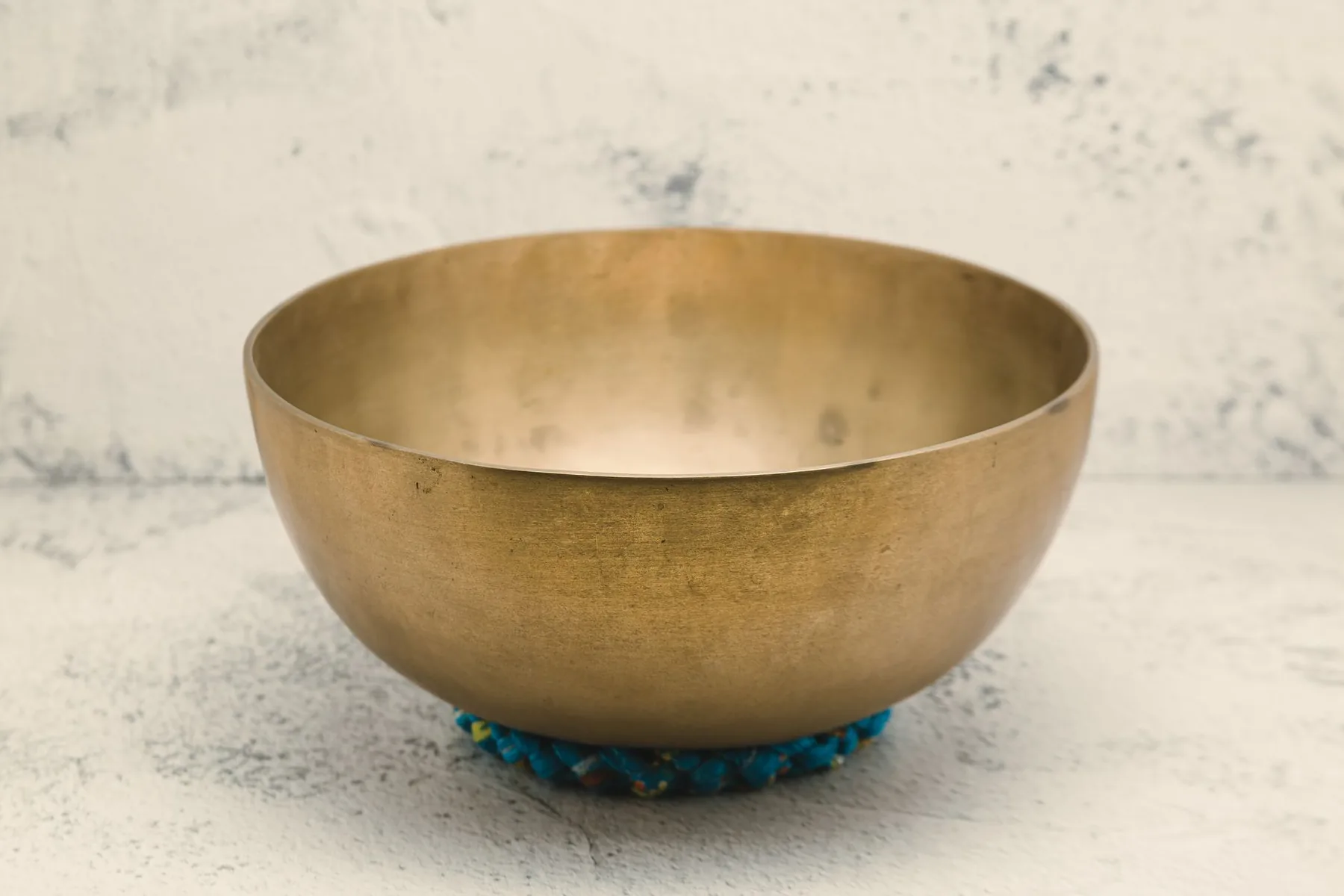
A Tibetan singing bowl is a metal object that produces sound vibrations when rubbed with a wooden mallet or tapped with the palm of the hand. These vibrations are often used to induce deep relaxation or balance the body’s energy.
Origins and history of Tibetan bowls
Tibetan bowls have ancient origins linked to the spiritual practices of the Bonpo nomads. They were traditionally made from an alloy of seven metals, each associated with a planet: gold (Sun), silver (Moon), copper (Venus), iron (Mars), tin (Jupiter), mercury (Mercury) and lead (Saturn).
Over time, their use evolved from shamanic rituals to modern practices such as sound therapy. Traditional handcrafting techniques are still preserved in Nepal today, making every piece unique.
| Metal | Associated planet |
|---|---|
| Gold | Sun |
| Silver | Moon |
| Copper | Venus |
| Iron | Mars |
| Tin | Jupiter |
| Mercury | Mercury |
| Lead | Saturn |
Singing bowls are often decorated with Buddhist symbols such as the eight auspicious symbols, including the wheel, conch shell and lotus. These symbols add a spiritual dimension to each piece.
The benefits of Tibetan singing bowls
The vibrations of singing bowls can directly affect mental and physical well-being. These ancient instruments are valued for their positive effects on health and inner balance. Whether used for relaxation, meditation or emotional cleansing, they offer a wide range of potential benefits.
Deep rest and relaxation
The captivating sound of a Tibetan singing bowl can help the brain regain a sense of calm and serenity. One study reported a 23% reduction in cortisol, the stress hormone. Deep relaxation may also support neuroplasticity, which is important for mental recovery.
Balancing the chakras
The sound frequencies of singing bowls are believed to synchronize theta brain waves associated with meditation. They may help rebalance the chakras, described as centers of vital energy. Practitioners believe that this balancing process improves energy flow and supports the immune system.
Emotional cleansing
The vibrations may help release blocked emotions and dispel accumulated tension. They are also used to clear negative energy, creating a sense of lightness and mental clarity. This practice is ideal for restoring a calm, centered mind.
How to use a Tibetan singing bowl
Mastering the art of playing a singing bowl requires careful technique and attentive listening. Begin by adopting a comfortable posture and breathing deeply. This helps you feel the vibrations more clearly and make the most of the experience.
Place the bowl in the palm of your hand or on a felt cushion for greater stability. This position makes the bowl easier to handle and optimizes its resonance.
Striking method
The striking method involves gently tapping the side of the bowl with a mallet. Then move the mallet around the rim to extend the sound. This technique is ideal for beginners because it is simple and effective.
Tip: warm the bowl in the sun before use. This may improve its sound and prolong its resonance.
Rimming method
The rimming method requires a felt- or leather-covered mallet. Rub it firmly around the bowl’s rim to produce rich, deep harmonics. This technique takes more practice but delivers a unique sound experience.
Recommended duration: 5 to 7 minutes for beginners. This lets you enjoy the effects without becoming tired.
| Equipment | Advantages |
|---|---|
| Wooden mallet | Clear, precise sound |
| Leather-covered mallet | Deep harmonics |
| Felt cushion | Enhances resonance |
To learn more about techniques for playing a singing bowl, read our comprehensive guide. Remember to clean your bowl with soapy water after each use and dry it immediately to preserve its quality.
How to choose the right Tibetan bowl
Selecting the right meditation instrument requires careful attention to detail. Several factors affect a singing bowl’s quality and effectiveness. Here are the essential criteria to consider when making your choice.
Type of bowl
There are six main types of Tibetan bowl, each with distinct characteristics. Models such as the Thadobati, Jambati and Naga differ in their sound and recommended use.

For example, the Thadobati is ideal for beginners because its clear tone is easy to produce. The Jambati offers deeper harmonics suited to advanced meditation.
Age of the bowl
Antique bowls are often sought after for their thinner metal layers, which can enhance resonance. However, they may be more fragile and expensive.
New bowls, while less rare, are generally more durable and often more affordable. The choice between an antique and a new bowl depends on your preferences and budget.
Size and weight
The size and weight of a singing bowl directly influence its sound and ease of use. Smaller bowls weighing about 400 g are easy to carry and ideal for beginners.
Larger models, which may weigh up to 1 kg, produce stronger vibrations suited to longer meditation sessions. The bowl’s diameter also determines the musical note it produces, which may influence your choice according to your preferred sound.
| Type | Recommended use | Sound |
|---|---|---|
| Thadobati | Beginners | Clear and easy to produce |
| Jambati | Advanced meditation | Deep harmonics |
| Naga | Sound therapy | Powerful vibrations |
The resonance you personally experience is a decisive factor. Take time to try different models and find the one that gives you the greatest sense of well-being.
Beware of counterfeits made from simplified alloys, as they do not provide the same experience. Check the quality of the metals used to ensure that you are choosing an authentic product.
Authentic Tibetan singing bowl price comparison
Comparing the available options is essential when looking for the ideal instrument. Three brands stand out for their quality and reputation: Silent Mind, Hatakama Nepala and Taroro. Each offers models suited to specific needs, with prices ranging from €50 to €120.
Silent Mind
The Silent Mind model weighs 470 g and measures 10 cm in diameter. Its price ranges from €50 to €70, making it an affordable option for beginners. It comes with a wooden mallet and support cushion, providing a complete set to get started.
Backed by a one-year warranty, this singing bowl is valued for its clear tone and ease of use. Ideal for short meditation sessions, it is particularly well suited to beginners.
Hatakama Nepala
Weighing 600 g and measuring 14 cm in diameter, the Hatakama Nepala falls within a price range of €65 to €85. This model is known for its deep harmonics, which are suited to advanced meditation.
It comes with a leather-covered mallet and an instruction manual. Its one-year warranty and durability make it a reliable choice for regular practitioners.
Taroro
Weighing 640 g and measuring 12 cm, the Taroro is the most expensive of the three, with a price ranging from €90 to €120. It stands out for its two-year warranty and premium accessories, including a felt-covered mallet and ergonomic cushion.
This singing bowl is recommended for experienced sound-therapy practitioners because of its powerful vibrations and sustained resonance.
| Model | Price | Warranty | Accessories |
|---|---|---|---|
| Silent Mind | €50 to €70 | 1 year | Mallet, cushion |
| Hatakama Nepala | €65 to €85 | 1 year | Mallet, manual |
| Taroro | €90 to €120 | 2 years | Mallet, cushion |
In conclusion, choosing among these three models, which rank among the best bowls, depends on your budget and level of experience. Silent Mind is ideal for beginners, Hatakama Nepala for intermediate practitioners and Taroro for experts.
Analysis of materials and craftsmanship
The quality of a singing bowl depends on its materials and how it is made. These two aspects determine not only its sound but also its authenticity and durability. Understanding them makes it easier to appreciate the value of each piece.
The seven traditional metals
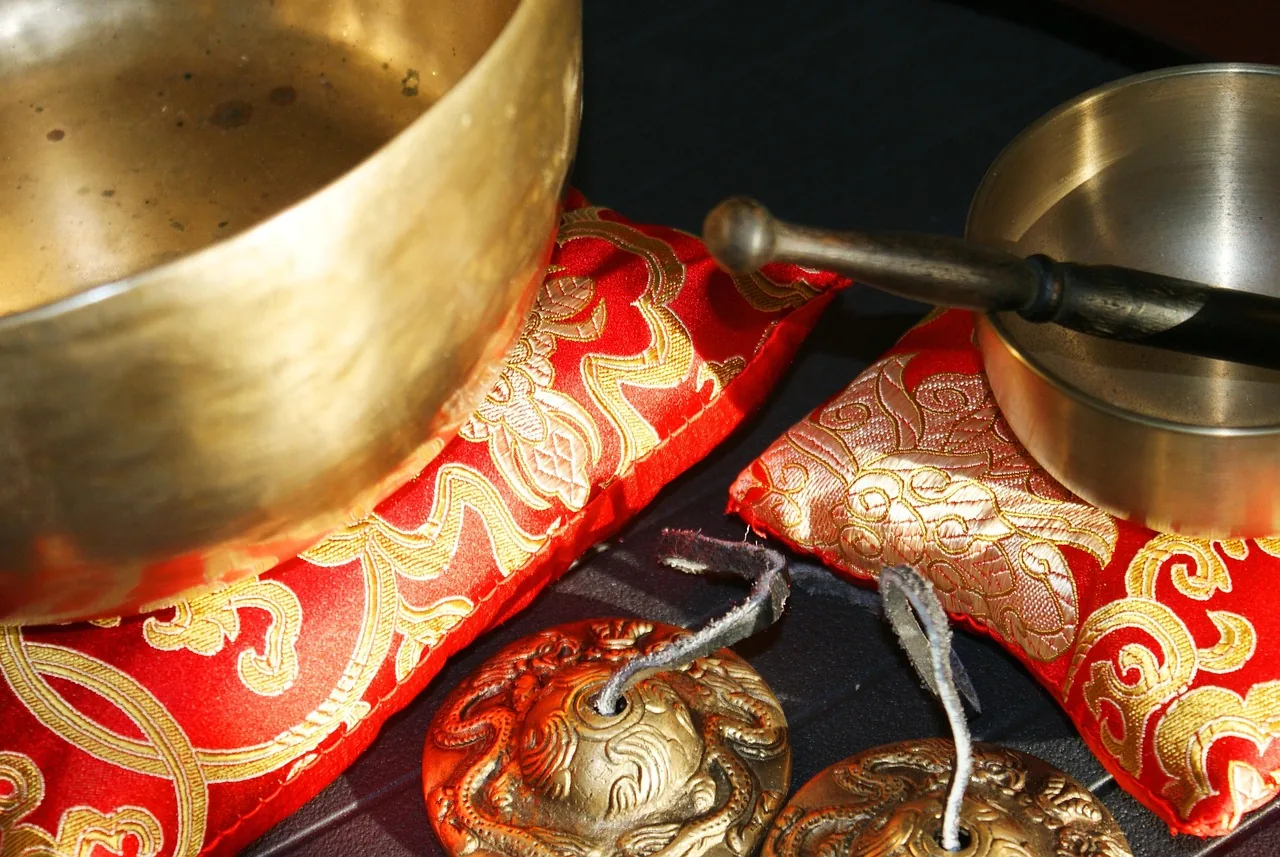
Authentic Tibetan bowls are traditionally said to contain seven metals, each associated with a planet and specific properties. An ideal bell-metal alloy contains 78% copper and 22% tin, producing rich, lasting resonance.
Other metals, such as iron, gold and silver, may be added in small quantities to balance the vibrations. This distinctive combination gives the bowls their captivating sound and reputed therapeutic qualities.
Traditional handcrafting process
The traditional handcrafting of Tibetan bowls relies on skills passed down through generations. Each piece is forged by hand in a process that takes about eight hours. Artisans shape the metal using traditional techniques such as hammering.
Distinctive features such as surface irregularities reflect the authenticity of the handmade work. Products certified “Handmade in Nepal” are intended to guarantee manufacturing that respects tradition and the environment.
| Metal | Properties |
|---|---|
| Copper | Rich resonance |
| Tin | Durability |
| Iron | Powerful vibrations |
One simple authenticity test is to measure how long the continuous sound lasts; it should continue for at least 90 seconds. Industrial copies, often said to contain heavy metals such as lead, may not achieve this performance.
The best Tibetan bowls according to users
Users share their experiences to help you choose among the best bowls. An analysis of more than 500 reviews suggests that Silent Mind, Hatakama Nepala and Taroro stand out for their quality and sound-therapy performance. Here is what makes each one distinctive.

Silent Mind
The Silent Mind model is valued for its simplicity and accessibility. With an average rating of 4.5/5, it is ideal for beginners. Users highlight its clear resonance and affordable price.
However, its 5% return rate suggests that some users are looking for more robust models. It remains an excellent choice for occasional use.
Hatakama Nepala
The Hatakama Nepala model stands out for its deep harmonics, which are suited to advanced meditation. With a rating of 4.6/5, it is praised for the sense of well-being it brings to relaxation sessions.
Its 3% return rate reflects its reliability. Yoga professionals often recommend it for its sound-therapy performance.
Taroro
Taroro is the most highly rated model, with an average score of 4.7/5. Its powerful vibrations and sustained resonance make it a popular tool for emotional healing.
With a return rate of just 2%, it is regarded as one of the most reliable models. Its responsive after-sales service also contributes to its reputation.
In summary, each brand meets specific needs: Silent Mind suits beginners, Hatakama Nepala is designed for intermediate practitioners and Taroro targets experts. Your choice depends on what you expect in terms of mind-body balance and relaxation.
Tips for buying a Tibetan bowl
Buying a meditation instrument requires careful consideration to ensure its quality and authenticity. Here are a few tips to help you make the right choice.
Where to find a reliable product
To buy an authentic Tibetan bowl, choose certified specialist retailers or reputable artisans. Reliable sellers provide information and guarantees regarding the origin and manufacture of their products.
Here is a list of points to check:
- Certificate of origin
- Verifiable commercial claims
- A return window of at least 14 days
Checking authenticity
One simple test is to fill the bowl with water and make it vibrate. If concentric waves form, this can indicate quality. Industrial copies may not produce the same effect.
Avoid products that seem excessively cheap. A price that is too low may indicate a counterfeit. Take time to compare offers and read user reviews.
Finally, check the bowl’s diameter and weight. These characteristics directly affect its sound and use. A good bowl should suit your needs and level of experience.
Conclusion
Ultimately, your choice of meditation instrument depends on your needs and budget. Key criteria include the materials, sound and intended use. If you are looking for an affordable option, the Hatakama Nepala is an excellent choice thanks to its quality and deep harmonics.
For a long-term investment, the Taroro delivers powerful vibrations and sustained resonance, making it ideal for experts. Be wary of poor-quality products, which can undermine the relaxation experience.
Finally, we encourage you to try these instruments at an introductory workshop. This will allow you to experience their sound and make an informed choice. Your well-being deserves the best equipment.