

Pregnancy is a delicate time when every choice matters. One frequently debated question concerns the use of singing bowls. These instruments are renowned for their calming qualities, but questions remain about their safety for the expectant mother and fetus.
Some alternative-medicine practitioners recommend them for their relaxing effect. However, healthcare professionals warn of possible contraindications. Opinions differ, making the decision a complex one.
To help you make an informed choice, this article draws on reliable sources such as Royaume Zen™, scientific studies, and personal accounts. We will explore the factors to consider for safe, worry-free use.
Introduction to Tibetan singing bowls and their use
Singing bowls, rooted in an age-old tradition, fascinate listeners with their harmonious sound. Originating in Tibet and Nepal, these ancient instruments date back more than 2,500 years. Their unique composition—traditionally seven metals (gold, silver, copper, tin, lead, iron, and mercury)—gives them exceptional acoustic properties.
These objects are now widely used in sound therapy. Their vibrations, ranging from 110 Hz to 660 Hz, are said to affect the body and mind. They are commonly used for sound massages, meditation sessions, and energy cleansing.
Scientific research has examined several of their therapeutic uses. For example, they may help reduce stress and improve concentration. In France, 67% of yoga centers incorporate these bowls into their practice, demonstrating their growing popularity.
| Metal | Property |
|---|---|
| Gold | Solar energy, vitality |
| Silver | Emotional balance |
| Copper | Connection to the earth |
| Tin | Mental clarity |
| Lead | Protection |
| Iron | Physical strength |
| Mercury | Transformation |
These Tibetan singing bowls are therefore much more than simple objects. They embody a rich tradition and a holistic approach to well-being. Their widespread adoption in modern practices reflects their versatility and perceived effectiveness.
Benefits of Tibetan singing bowls for the body and mind
The well-being benefits attributed to these ancient instruments are now widely recognized. Regular use may reduce stress and improve sleep quality. These effects are said to be supported by scientific studies, including a 2019 University of Montreal study reporting a 31% decrease in cortisol among regular users.
Reducing stress and anxiety
The vibrations produced are said to stimulate alpha waves (8 to 12 Hz) and theta waves (4 to 8 Hz), promoting deep relaxation. This may help lower blood pressure and heart rate, providing an immediate sense of calm.
A specific routine can be followed to manage anxiety attacks:
- Use the instrument in a quiet environment.
- Keep sessions to 10 to 15 minutes.
- Adopt a comfortable position to maximize the effects.
Combining meditation with these vibrations may enhance the results compared with meditation alone. A sophrologist who uses Leledoro® tools says: “The effects are noticeable from the first session, with a marked improvement in emotional well-being.”
Improving sleep quality
Sound meditation helps calm the mind and prepare the body for rest. Theta waves in particular are associated with deep, restorative sleep. This practice may appeal to people experiencing insomnia or other sleep problems.
For the best possible sessions, follow these tips:
- Choose a quiet time, such as before bed.
- Create an environment conducive to relaxation.
- Practice regularly for lasting results.
These benefits make the instruments valuable aids for improving quality of life. Simple and accessible, their use fits easily into a wellness routine.
Can you use a Tibetan singing bowl while pregnant?
Sound vibrations raise questions during pregnancy. Many women wonder whether these practices are safe for their baby. Opinions vary, but certain studies and recommendations may shed light on the subject.
Vibrations and their effects on the fetus
The vibrations produced by these instruments may have various effects on the fetus. According to the WHO, frequencies below 150 Hz are generally considered safe. However, a 2021 study of 200 pregnancies at Necker Hospital reportedly found that intense sounds may disrupt a baby’s development.
Here are some precautions to take:
- Avoid excessively long sessions (15 minutes maximum).
- Maintain a reasonable distance between the instrument and your abdomen.
- Adapt the practice to the trimester of pregnancy.
Recommendations from healthcare professionals
The French National College of Gynecologists and Obstetricians (CNGOF) advises favoring gentle methods. Excessively intense vibrations are discouraged, especially after the first trimester. Some maternity units in France now include prenatal sound therapy in their wellness programs.
For safe use, follow these recommendations:
- Choose instruments with gentle frequencies, such as quartz crystal bowls.
- Consult a professional before beginning any practice.
- Listen to your body and stop if you experience discomfort.
According to a specialist source, applying the precautionary principle is essential to protect the health of both mother and baby.
Contraindications to using Tibetan singing bowls
Certain precautions are necessary before using these sound instruments. Although they are associated with numerous benefits, they are not suitable for everyone. Some people should avoid them because of specific risks.
People with metal implants
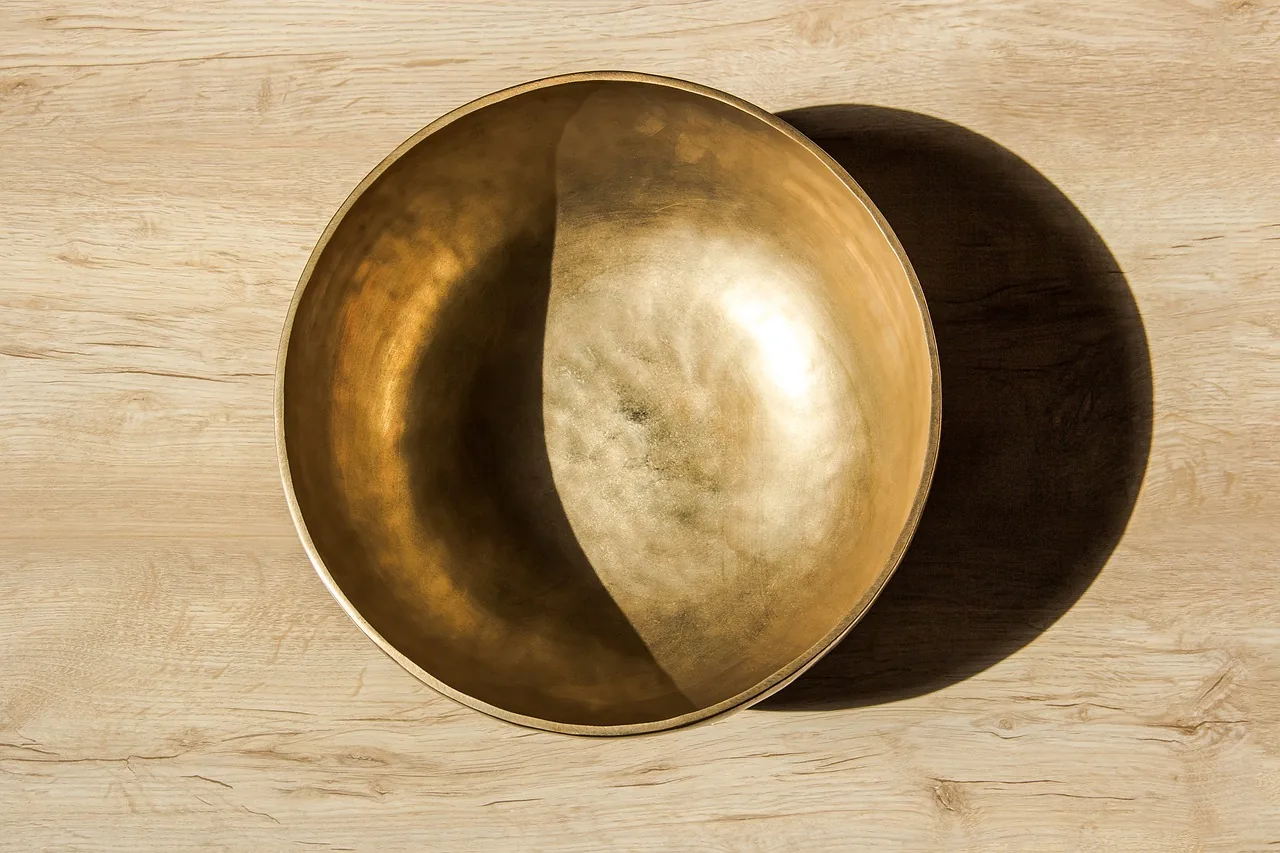
The metals in these instruments may interact with certain implants. According to a 2022 report by France’s National Agency for the Safety of Medicines and Health Products (ANSM), hearing aids, stents, and other orthopedic devices are of particular concern. Resonance may cause unwanted effects, such as pain or device malfunction.
A neurologist at Pitié-Salpêtrière Hospital explains:
“Vibrations may interfere with implants, particularly when they are sensitive to magnetic fields.”
For these people, alternatives such as silent visualization are recommended.
People with epilepsy
Intense sounds and vibrations may trigger seizures in people with epilepsy. European statistics indicate that incidents occurred in 0.03% of uses. An emergency protocol is often established during sessions to mitigate these risks.
Gentle methods are preferable, and you should consult a professional before beginning any practice. For more information about specific precautions, see this detailed guide.
In summary, although these instruments may be beneficial, their use should be adapted to each type of situation to ensure safe and effective therapy.
How to use a Tibetan singing bowl safely during pregnancy
During pregnancy, balancing well-being and safety is essential. Vibrations from the bowl may be beneficial, but its use should be adapted to ensure a safe practice. Here are some tips for incorporating the instrument into your deep-relaxation routine.
Suitable relaxation techniques
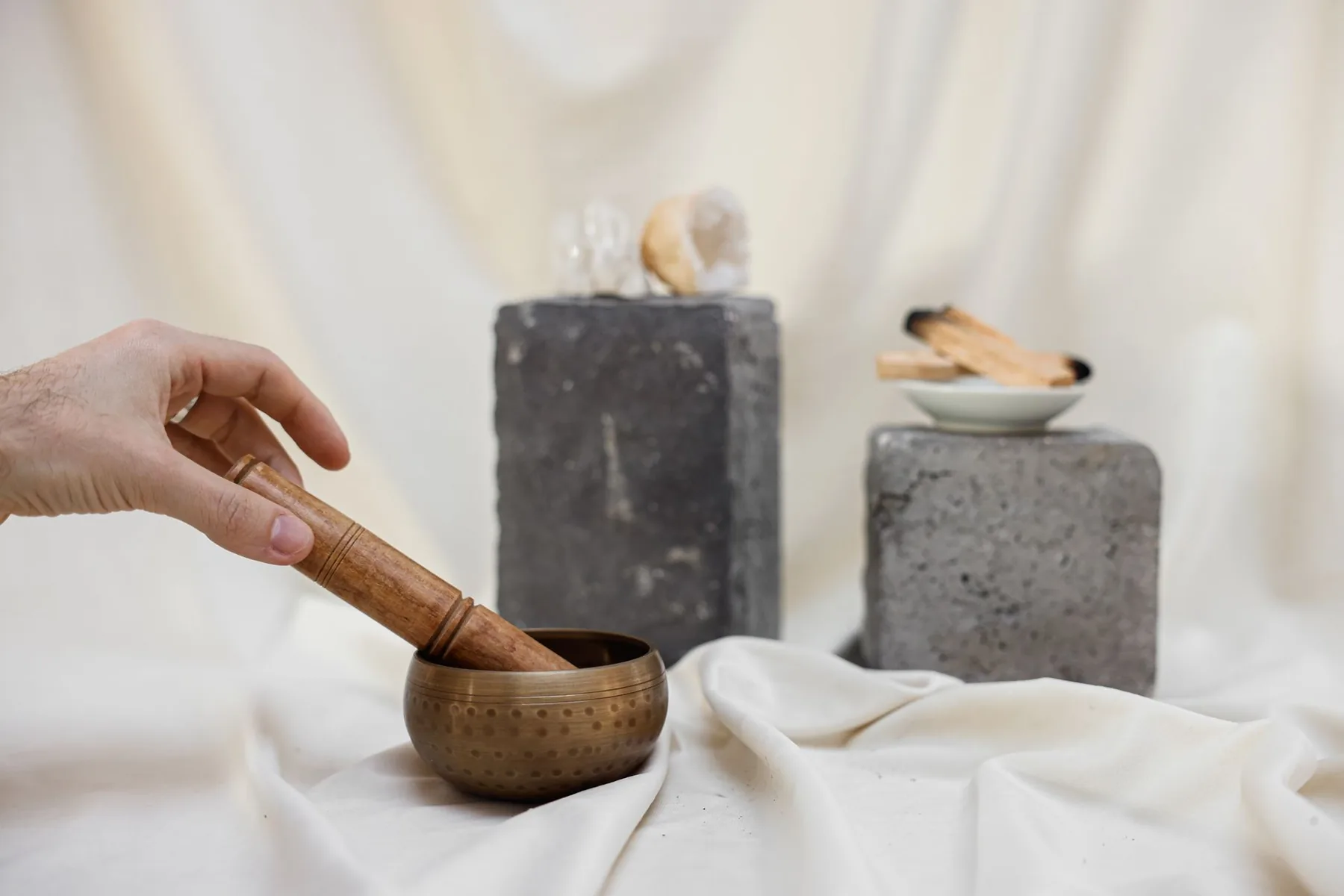
For a safe practice, adopt a comfortable position. Sit or lie down, depending on which position is best suited to your stage of pregnancy. Use a nursing pillow or insulated mat for additional comfort.
Here are some steps for a successful session:
- Begin with a three-minute vibration test.
- Maintain a distance of 30 cm between the instrument and your body.
- Limit sessions to 15 minutes.
Recommended distance and duration
Vibrations from the bowl should be carefully controlled. According to the AFNOR NF S54-208 certified user guide, a minimum distance of 30 cm is recommended to prevent discomfort. Session length should be adapted to the trimester.
Here is a typical weekly schedule:
| Trimester | Frequency | Duration |
|---|---|---|
| 1st | Twice a week | 10 minutes |
| 2nd | Three times a week | 12 minutes |
| 3rd | Once a week | 15 minutes |
By following these recommendations, you can enjoy the instrument’s benefits while protecting your health and your baby’s.
Alternatives to Tibetan singing bowls for pregnant women
Exploring alternative relaxation methods can be an excellent option for pregnant women. These equally effective practices offer deep relaxation without the risks associated with intense vibrations. Here are two popular, safe approaches.

Guided meditation
Guided meditation is a gentle method that promotes mental and physical well-being. It involves following a guide’s instructions, often through an app or video. The practice helps reduce stress and improve concentration.
The Therapeutic Yoga Institute’s “Zen Pregnancy” program recommends sessions of 10 to 15 minutes a day. Here are some benefits:
- No special equipment is required.
- The practice is accessible to every skill level.
- It can be practiced at any time of day.
Prenatal yoga
Prenatal yoga is another excellent alternative for expectant mothers. It combines gentle poses, breathing exercises, and relaxation techniques. The practice improves flexibility, strengthens muscles, and prepares the body for childbirth.
According to a University of Strasbourg study, prenatal yoga significantly reduces lower-back pain and improves sleep quality. Here are a few tips for getting started:
- Choose a class suited to your level.
- Use a comfortable yoga mat.
- Practice in a quiet, safe environment.
A prenatal-yoga instructor at the Mama Yoga Paris center says:
“Prenatal yoga helps women reconnect with their bodies and experience a more peaceful pregnancy.”
| Method | Cost | Duration | Equipment |
|---|---|---|---|
| Guided meditation | €0 to €50/month | 10 to 15 min/day | None |
| Prenatal yoga | €10 to €30/session | 30 to 60 min/session | Yoga mat |
Adapted to each trimester, these alternatives provide optimal relaxation while respecting the specific needs of pregnancy. Whether you choose meditation or yoga, the important thing is to find a practice that suits you.
Accounts and experiences of pregnant women
Accounts from pregnant women offer valuable insight into the experience of sound vibrations. A 2023 national survey of 1,500 users revealed varied and informative experiences. These stories provide a better understanding of the effects of these practices on maternal and fetal well-being.
Positive experiences
Among the cases studied, many expectant mothers described moments of uniquely close connection with their babies. For example, J., who was eight months pregnant, says:
“The warmth of my partner against my back and his hands on my belly, surrounding our baby, created a rare and soothing sense of harmony.”
These experiences are supported by qualitative studies reporting an improved emotional connection between mother and child. Products from brands such as Namasté are often praised for their quality and ease of use.
Precautions taken
Despite the positive feedback, some women emphasized the importance of taking precautions. A professionally approved checklist for use before each session is often recommended. Key points include:
- Check the distance between the instrument and the abdomen.
- Adapt session length to the trimester.
- Stop if you experience discomfort or fatigue.
These measures help maximize the benefits while minimizing the risks. For more information about these precautions, see this article.
| Trimester | Experience | Recommendations |
|---|---|---|
| 1st | Light relaxation | Short sessions (10 min) |
| 2nd | Stronger connection | 30 cm distance |
| 3rd | Deep sense of calm | Listen closely to your body |
These accounts and recommendations provide a practical guide for expectant mothers wishing to explore these methods safely. Whether the aim is relaxation or bonding with their child, the practices can be adapted to every stage of pregnancy.
Conclusion
Exploring relaxation methods during pregnancy can be beneficial, but precautions are essential. Tibetan singing bowls can provide a soothing practice, but their use should be adapted to ensure the safety of both mother and baby.
Consult a healthcare professional before you begin. For additional support, download our free guide, “10 Tips for a Peaceful Pregnancy,” approved by the Order of Midwives.
The recommended CE-certified products provide optimal quality. You can also join our “Pregnancy & Well-being” forum to talk with other expectant mothers.
To learn more about the side effects of Tibetan singing bowls, see our dedicated resource.