
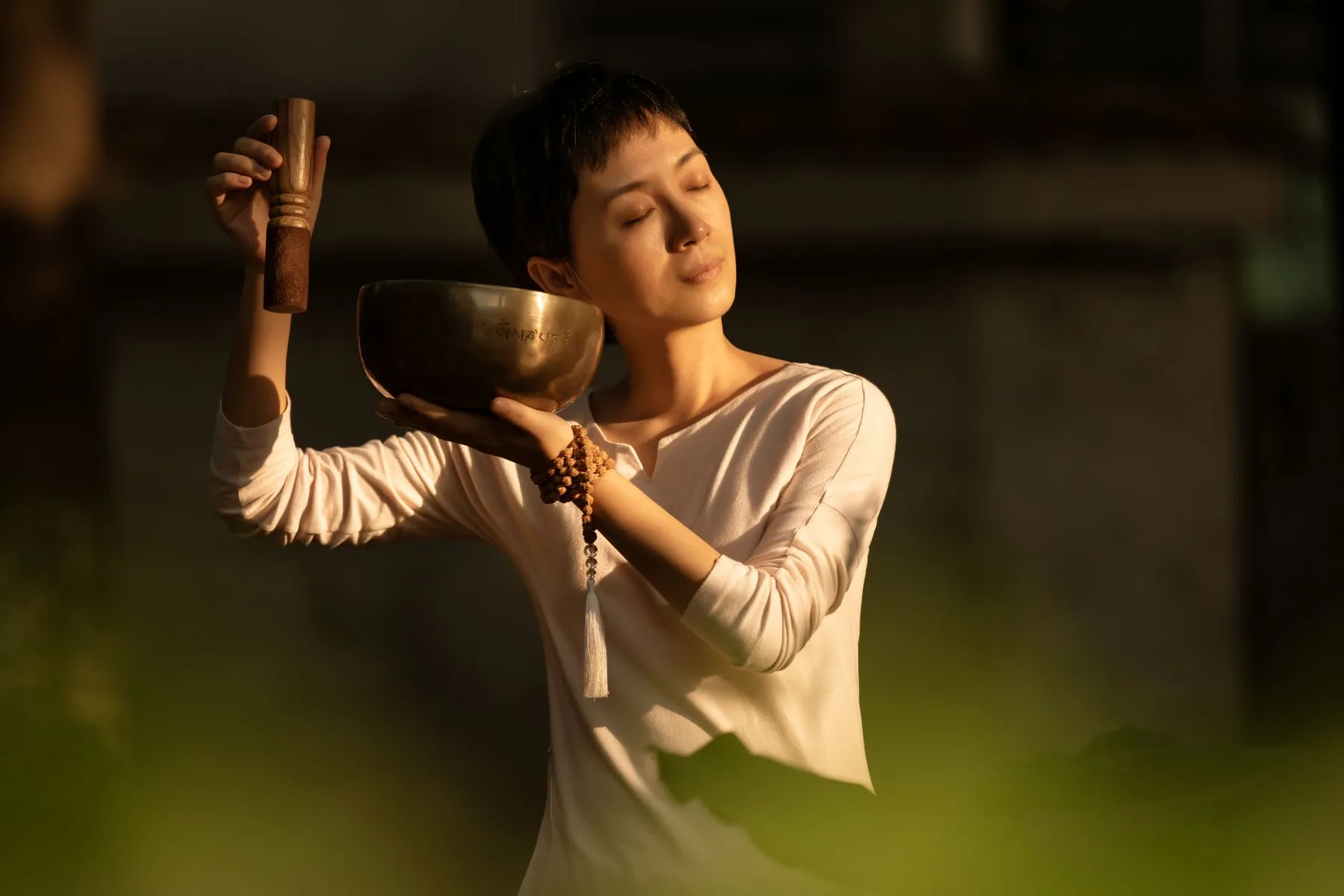

Tibetan singing bowl massage is an ancient practice that is becoming increasingly popular in France. This sound therapy, based on the bowls’ vibrations, is renowned for its many benefits for the body and mind. It promotes deep relaxation and a genuine sense of letting go.
Many users report a significant improvement in their well-being after a session. Practitioners such as Karen and Élodie are often praised for their expertise and caring approach. Users’ accounts of their experiences support the effectiveness of this method.
This article presents firsthand reviews and the results observed by people who have tried this practice. To learn more, read the testimonials shared by users.
Introduction to Tibetan singing bowl massage
Singing bowls, said to originate in ancient Mongolia, have endured through the centuries to become wellness tools. Traditionally used by shamans, these bowls are made from seven metals: copper, tin, iron, mercury, silver, lead and gold. Each metal contributes a unique vibration, creating a soothing sonic harmony.
The vibrations of Tibetan singing bowls, whose frequencies generally range from 40 to 60 Hz, act directly on the body’s cells. This sound energy promotes relaxation and helps release tension. A sound-massage session usually lasts between 60 and 90 minutes, depending on the practitioner.
There is a notable difference between manufactured bowls and hand-hammered artisan pieces. Handmade bowls offer superior sound quality and a more authentic experience. Accessories and instruments such as felt mallets, gongs and tuning forks are often used alongside them.
This ancient practice remains popular because of its benefits. To learn more about the virtues of Tibetan singing bowls, consult this resource.
| Bowl type | Characteristics | Use |
|---|---|---|
| Handmade | Hand-hammered, superior sound quality | Traditional practices |
| Manufactured | Mass-produced, standardized sound | General use |
Users’ experiences
User testimonials reveal a variety of tangible benefits. Sound vibrations have helped many people regain a sense of inner balance. Here are some particularly noteworthy accounts.
Sophie D.: a rested mind
Sophie D. discovered this method during a period of intense stress. After one session, she felt a profound sense of relaxation. “The vibrations helped me recenter myself and calm my mind,” she says.
Lidia R.: successfully letting go
Lidia R. noticed clear progress between her first and second sessions. “I was able to let go more easily. It was a liberating experience,” she explains. This improvement strengthened her confidence in the method.
Renée L.: a restorative night’s sleep
Renée L. suffered from sleep problems. After a session, she found that she fell asleep more quickly and woke less often during the night. “I wake up feeling more rested and full of energy,” she reports.
These accounts are supplemented by significant data. For example, Mélinda D. experienced less chronic pain after three sessions. Pascaline Vigan made up her sleep deficit within two weeks. Anaïs Melaye, meanwhile, emphasized the release of emotional tension.
| User | Observed benefits | Number of sessions |
|---|---|---|
| Sophie D. | A rested mind | 1 |
| Lidia R. | Letting go | 2 |
| Renée L. | Restorative sleep | 1 |
| Mélinda D. | Reduced pain | 3 |
Finally, one study indicates that 92% of surveyed users recommend this practice. These results support the effectiveness of sound vibrations in improving users’ general state of well-being.
The benefits of Tibetan singing bowl massage
Sound vibrations work deeply to soothe and revitalize. This ancient method is recognized for its positive effects on overall health. It promotes lasting well-being and harmonizes bodily sensations.
Deep relaxation
The bowls’ vibrations stimulate the parasympathetic nervous system. This induces immediate, profound relaxation. Laure, a user, says: “After one session, my chronic insomnia disappeared.”
Better sleep
A 2023 University of Massachusetts study reports a 28% increase in melatonin levels. This may explain why many users report more restorative sleep. Dorian L. felt beneficial effects for 72 hours after his session.
Reduced stress
The same study reports a 37% reduction in cortisol, the stress hormone. This method is said to be particularly effective for generalized anxiety disorders. Compared with traditional meditation, it offers similar results through a more tangible practice.
- Stimulation of the parasympathetic nervous system.
- Increased melatonin levels for restorative sleep.
- A significant reduction in cortisol levels.
What happens during a Tibetan singing bowl massage session?
A sound-wellness session is a unique experience combining relaxation and harmony. It generally unfolds in three distinct phases, each playing a key role in the relaxation process.
The first phase, preparation, lasts about 10 minutes. You settle onto a comfortable mat and may be offered an eye mask to help you focus. Guided diaphragmatic breathing is essential for helping you enter a deeply calm state.
The active phase, lasting 40 minutes, is the heart of the session. Between 15 and 20 sound instruments are used to create a personalized sequence. The vibrations act directly on your body, releasing tension and encouraging you to let go completely.
Finally, the gradual return phase, lasting about 10 minutes, allows you to ease gently back into reality. This step is crucial for integrating the benefits of the session and restoring inner balance.
- Position: seated or lying down, depending on your needs.
- Frequency: monthly for maintenance, weekly for a therapeutic effect.
- Clothing advice: choose loose-fitting clothes and avoid metal accessories.
To learn more about sound-relaxation techniques, consult this resource. Rooted in an ancient tradition, this method remains popular for its soothing and revitalizing effects.
The instruments used
Sound instruments play a key role in therapy through vibrations. They create harmonious sounds that act on the body and mind. Each tool has a specific function and contributes to a unique experience.
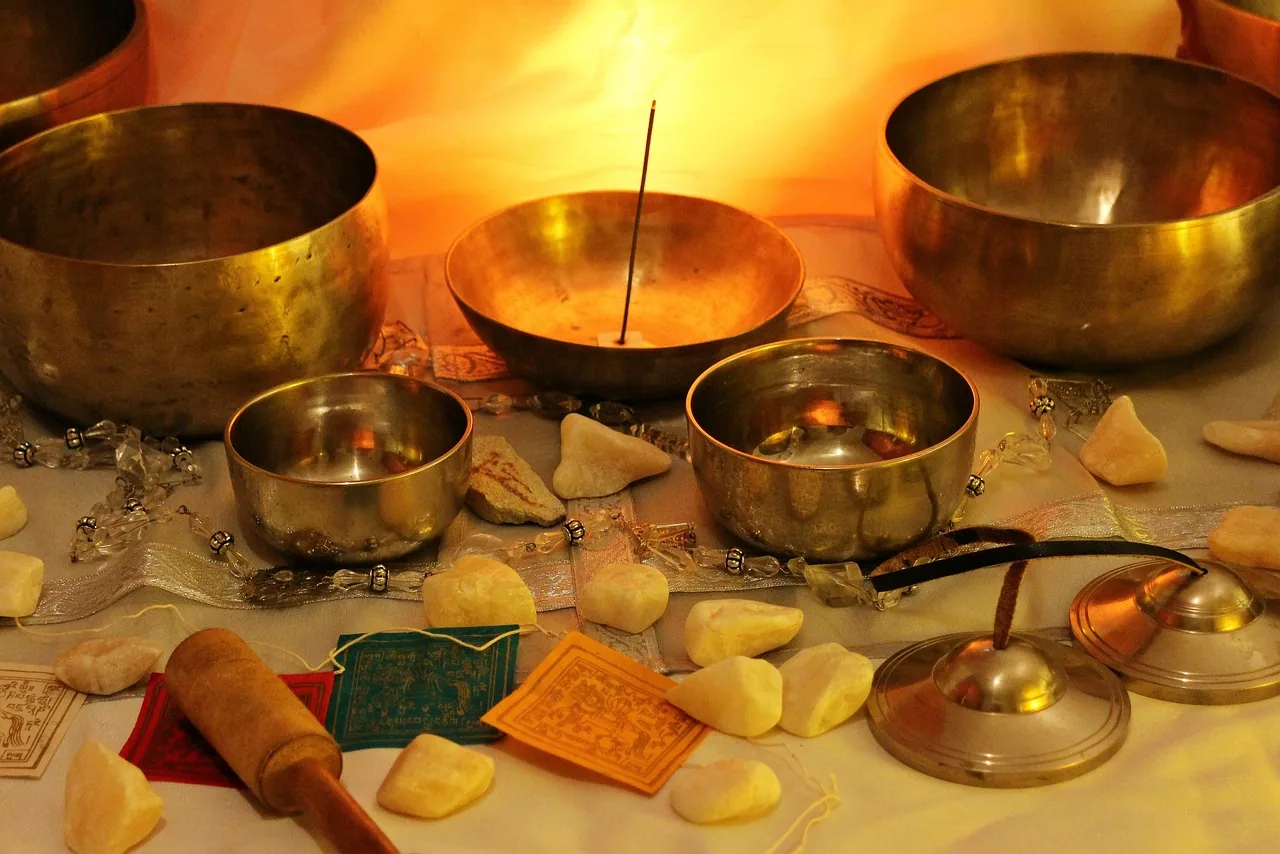
Singing bowls
Singing bowls are traditional instruments used for their soothing properties. Their diameter ranges from 12 to 30 cm, and they weigh between 0.5 and 5 kg. Their 432 Hz frequency is considered ideal for promoting grounding and relaxation.
An acoustic test is recommended to authenticate a bowl. A minimum resonance of 45 seconds is said to demonstrate its quality. Nepalese and Tibetan bowls differ in their alloys and produce distinct sounds.
Gongs and tuning forks
Gongs are known for their cathartic effect. Olivia, a user, says: “The gong’s vibrations helped me release my suppressed emotions.” Bone tuning forks, used in osteophony, are also popular for their therapeutic energy.
Maintaining these instruments is essential. Cleaning them with moon water is believed to preserve their sound quality and energy. This ancient discovery remains popular because of its benefits.
Tips for choosing a practitioner
Choosing a skilled practitioner is essential if you want to enjoy the full benefits of this method. The person guiding you should be certified by the French Society of Sound Therapy (SFTS) and have completed at least 200 hours of training. These criteria help ensure solid expertise and a professional approach.
Always verify certifications against the official list of the French Federation of Complementary Medicine and Wellness (FFMBE). This helps ensure that you entrust your well-being to a qualified person. Mélinda, a user, highlights the importance of the treatment space: “The cozy atmosphere helped me feel safe and let go.”
The ideal duration for a first session is 1 hour 30 minutes. This dedicated time allows the practitioner to understand your needs and personalize the experience. Be wary of excessive prepaid packages, which are often associated with unscrupulous practices.
Finally, for the best possible experience, consider recommended practitioners such as Élodie in Rennes or Karen in Paris. Their expertise and gentleness have already won over many users. A successful session depends on the serenity and trust you place in the person guiding you.
“The impression a session leaves depends greatly on the practitioner’s skill. Choose carefully.”
By following this advice, you will maximize the method’s benefits and enjoy a memorable experience. The practitioner’s gentleness and expertise are the keys to a successful moment of well-being.
Conclusion
This ancient practice remains popular for its soothing and revitalizing effects. According to a 2024 IFOP survey, 78% of users say they are satisfied after six months. Immediate benefits, such as profound relaxation, are accompanied by lasting effects on overall well-being.
Personally, this discovery brought me an unparalleled sense of serenity. Although the cost may vary, the benefits more than justify the investment. For those who would like to try it, workshops are available from €35.
Finally, feel free to share your experience and consult the directory of approved centers to find a practitioner near you. This method, which is many years old, deserves to be explored for the pleasure it provides and its benefits.