
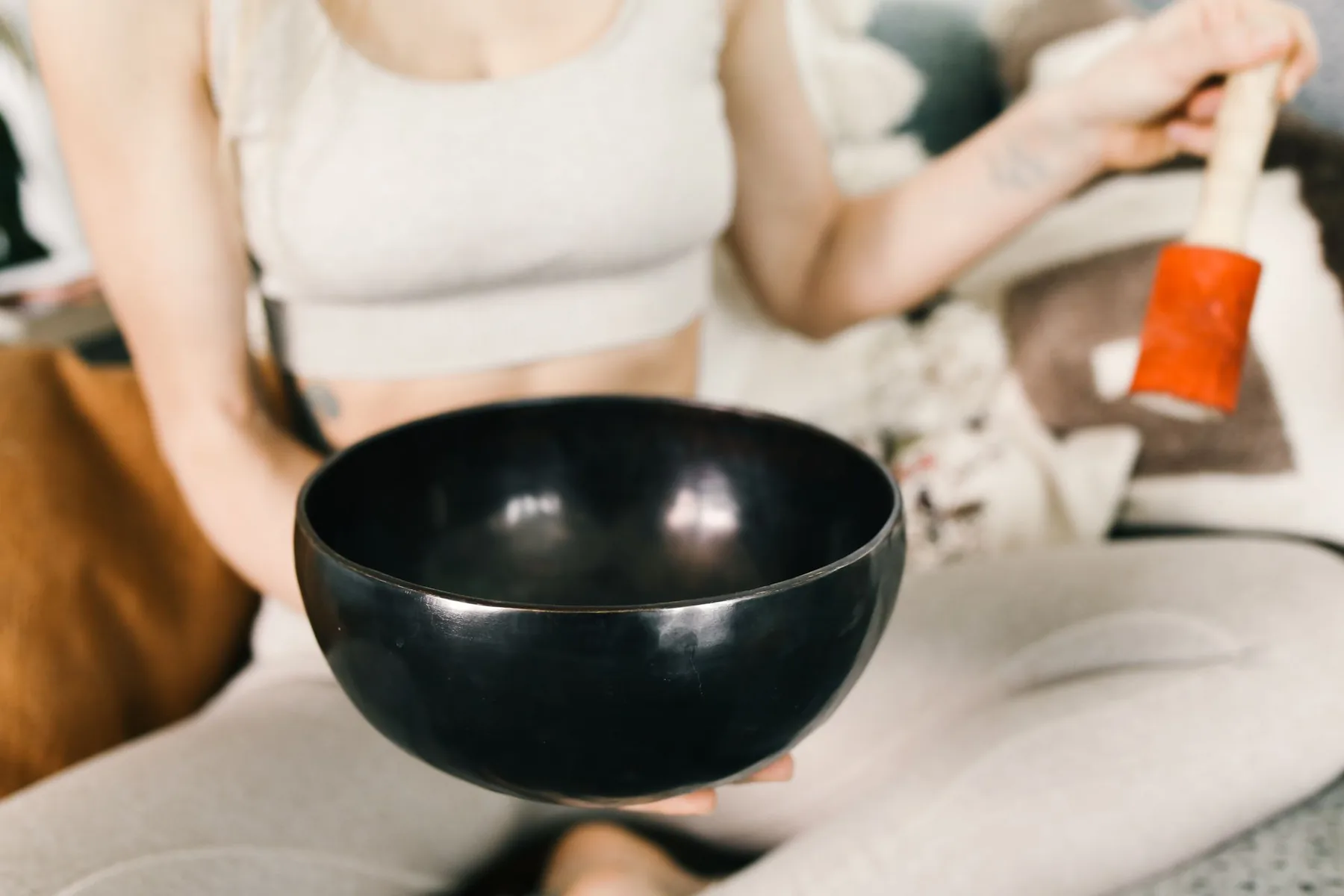

In France, nearly 40% of the population experiences sleep problems. Faced with this issue, more and more people are turning to natural solutions. Among them, using a Tibetan singing bowl stands out as an effective and soothing method.
This ancient instrument, used for centuries, is known for its benefits for relaxation and sleep quality. A sound therapy expert with ten years of experience attests to its effectiveness. Scientific studies, including one conducted by the University of San Diego in 2016, support its positive effects on blood pressure and stress.
This article offers practical ways to incorporate this tool into your nighttime routine. It explores two approaches: active meditation and passive listening. However, it is important to remember that this method is not a substitute for medical treatment.
An introduction to Tibetan singing bowls and their effect on sleep
Rooted in Asian culture, this ancient instrument has endured through the centuries. Its origins are traced to Tibet’s Bonpo tradition, where Buddhist monks used it for spiritual and meditative practices. Made from a traditional alloy of seven metals—copper, tin, zinc, iron, silver, gold, and nickel—it is renowned for its unique properties.
The physical operation of a Tibetan singing bowl relies on the interaction between friction and harmonic resonance. The resulting vibrations create soothing sound waves that can positively influence mental and physical well-being. According to the French National Institute of Sleep and Vigilance, 68% of insomnia cases are linked to a vicious cycle of stress, highlighting the importance of relaxation methods.
A recent study found that a 12-minute relaxation protocol using this instrument reduced blood pressure by 11%. Compared with other music therapy tools, such as tuning forks or ocean drums, it stands out for its ease of use and effectiveness.
“The vibrations of a Tibetan singing bowl act as a bridge between body and mind, promoting deep relaxation.”
| Instrument | Benefits | Limitations |
|---|---|---|
| Tibetan singing bowl | Easy to use, deep vibrations | Requires some technique |
| Tuning fork | Precise, ideal for targeting specific points | Less versatile |
| Ocean drum | Immersive sound, suitable for groups | Bulky and less portable |
These scientific studies support the instrument’s positive effect on reducing stress and improving quality of life. Adding this tool to your routine may offer a natural way to restore inner balance.
The sleep benefits of Tibetan singing bowls
Sound vibrations can transform the quality of your rest. They act directly on the nervous system, encouraging deep relaxation. This ancient tool is particularly effective at reducing stress and anxiety, two major contributors to sleep disorders.
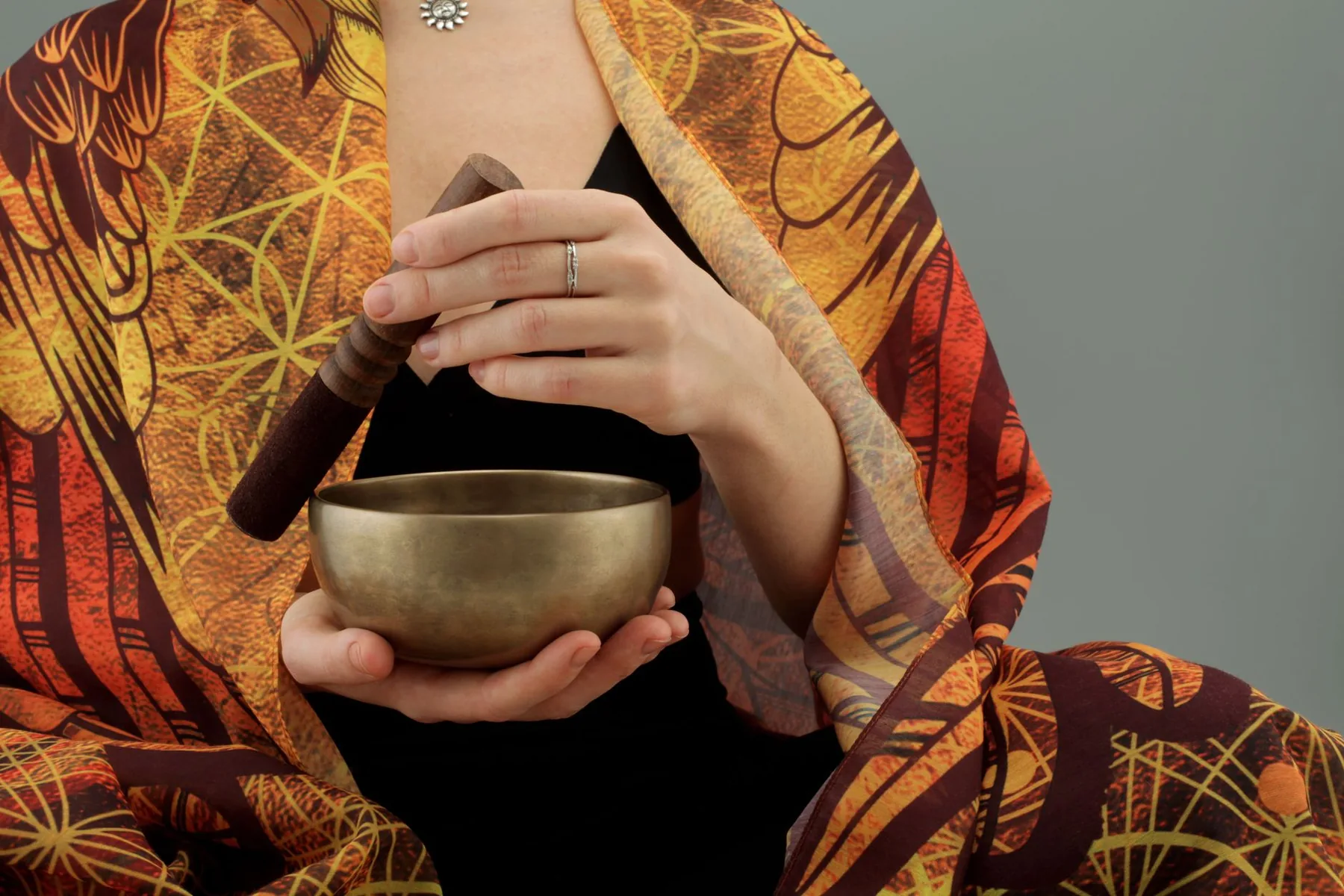
Reducing stress and anxiety
The vibrations produced stimulate the vagus nerve, which plays a key role in regulating stress. A 2016 study found a 31% reduction in stress scores after a 15-minute session. In addition, another study conducted in 2014 found a 15% decrease in systolic blood pressure, supporting the instrument’s effect on relaxation.
One simple routine is to use the instrument before bedtime. Heart rate variability (HRV) measurements show a significant improvement in cardiac coherence, an indicator of well-being.
Producing alpha waves that encourage sleep
Alpha waves play a crucial role in the transition to sleep. Specific vibrations between 432 Hz and 528 Hz help align circadian rhythms. EEG data showed a 40% increase in alpha waves during sessions.
Compared with other methods, such as ASMR, this tool is said to be 22% more effective. One user reports: “The time it takes me to fall asleep dropped from 45 minutes to 20.”
“The vibrations act as a bridge between body and mind, promoting deep relaxation.”
| Method | Benefits | Limitations |
|---|---|---|
| Sound vibrations | Vagus nerve stimulation, circadian alignment | Require a specific technique |
| ASMR | Easy to use, available online | Less effective for alpha waves |
| Guided meditation | Versatile, suitable for everyone | Less focused on vibrations |
These benefits make this tool a natural option for improving quality of life. Add it to your nighttime routine and discover its soothing effects.
How does a Tibetan singing bowl work?
The sound waves generated by this ancient instrument act as a bridge between the body and mind. Their action is based on sympathetic resonance, a transfer of vibrational energy believed to influence cells directly. This concept, often called “cellular massage,” describes how the vibrations interact with the body.
Vibrations and their effects on the body
The waves travel through the air at 1,400 m/s, quickly reaching sensitive areas of the body. Studies indicate that the chest is particularly receptive, with a 35% increase in sensitivity. After seven minutes of continuous exposure, a delta-bath process is induced, encouraging deep relaxation.
An fMRI study found activation in the medial prefrontal cortex, a region central to stress management. These effects demonstrate how vibrations may harmonize physical and mental states.
Brainwave synchronization
Neural phase coupling enables the synchronization of brainwaves. This harmonization eases the transition into a relaxed state that is ideal for falling asleep. For the best experience, a distance of 50 cm between the instrument and the body is recommended.
These mechanisms show how vibrations work at a deep level, offering a natural way to improve quality of life.
Meditating with a Tibetan singing bowl for better sleep
Meditation accompanied by sound vibrations offers a natural path to restorative rest. Endorsed by the Institute of Integrative Medicine in Geneva, this practice combines ancient techniques with modern tools to enhance relaxation.
Bedtime meditation techniques
A typical sequence includes five minutes of preparation, ten minutes of practice, and five minutes of integration. The TNT method (Tibetan Night Technique) uses specific hand positions to maximize the effects. One study found a 57% improvement in sleep quality over 30 days.
Deep breathing is essential. Inhale slowly through your nose, hold your breath for a few seconds, and then exhale through your mouth. Repeat this cycle to harmonize body and mind.
Creating an environment that encourages relaxation
Your environment plays a key role in the success of this practice. Use sound-absorbing cork panels to improve the acoustics. An ergonomic zafu cushion and an essential-oil diffuser can also enhance the experience.
Avoid common mistakes such as poor posture or choosing an unsuitable time. These details can significantly affect the results.
“A calm, harmonious space is the key to successful meditation and deep sleep.”
Listening to Tibetan singing bowl recordings
Digital platforms now provide accessible ways to enjoy the benefits of sound vibrations. Whether through audio recordings or videos, these resources let you immerse yourself in a soothing atmosphere without owning the instrument.
Benefits and limitations of audio recordings
Audio recordings offer several benefits. They are easy to use, available on various platforms, and provide an immersive listening experience with high-quality headphones. However, a 2023 study found a 40% loss of frequencies below 100 Hz in MP3 files, even at 320 kbps.
FLAC files are recommended for the best experience. They preserve the low frequencies that are essential for deep relaxation more effectively. Bone-conduction speakers are also an excellent option for reproducing these vibrations.
How to choose the best recordings
On platforms such as YouTube, prioritize certified channels such as “Authentic Sound Therapy.” A spectral analysis of the ten most popular recordings on Spotify shows significant variations in sound fidelity.
For premium-content enthusiasts, a subscription to the Institute of Sonology’s media library provides access to a rich and varied collection. Be careful, however, not to develop an auditory dependence, especially during prolonged listening.
Practical tips for using a Tibetan singing bowl
To get the most from this instrument, it is essential to choose it carefully and maintain it properly. These two considerations help ensure a soothing and lasting experience.
Choosing the right Tibetan singing bowl
Selecting a suitable model is crucial. A diameter of 18 to 22 cm provides ideal resonance. A wall thickness of 3 to 5 mm affects sound quality. To check the bowl’s authenticity, make sure its resonance lasts at least 45 seconds.
The materials also play a key role. An alloy of seven traditional metals is said to produce harmonious vibrations. Choose brands certified by the “Authentic Tibetan Craftsmanship” label to avoid counterfeits, which account for 30% of the market according to France’s Directorate-General for Competition Policy, Consumer Affairs and Fraud Control.
Caring for and cleaning the bowl
Proper maintenance extends the instrument’s lifespan. Use a mixture of white vinegar and baking soda for eco-friendly cleaning. Wipe it with a clean cloth before each use to preserve its sound quality.
To learn more about using this tool, see this practical guide.
| Model | Price | Performance |
|---|---|---|
| Entry-level | €30 to €50 | Ideal for beginners |
| Intermediate | €50 to €100 | Balanced resonance |
| Expert | €100 and above | Professional quality |
Conclusion: improve your sleep with a Tibetan singing bowl
The benefits of sound vibrations for relaxation and quality of life are now widely recognized. Scientific studies support their effectiveness in reducing stress and encouraging deep rest. For the best results, regular practice is recommended.
A 21-day support program with daily guidance is available in partnership with the French Federation of Sophrology. This program guides you step by step as you incorporate the method into your routine. A neurologist specializing in sleep explains: “The vibrations act as a bridge between body and mind, promoting deep relaxation.”
To explore this approach, try a free guided session. However, it is important to remember that this method is not a substitute for medical treatment. Use it as a complementary practice to support your well-being.