
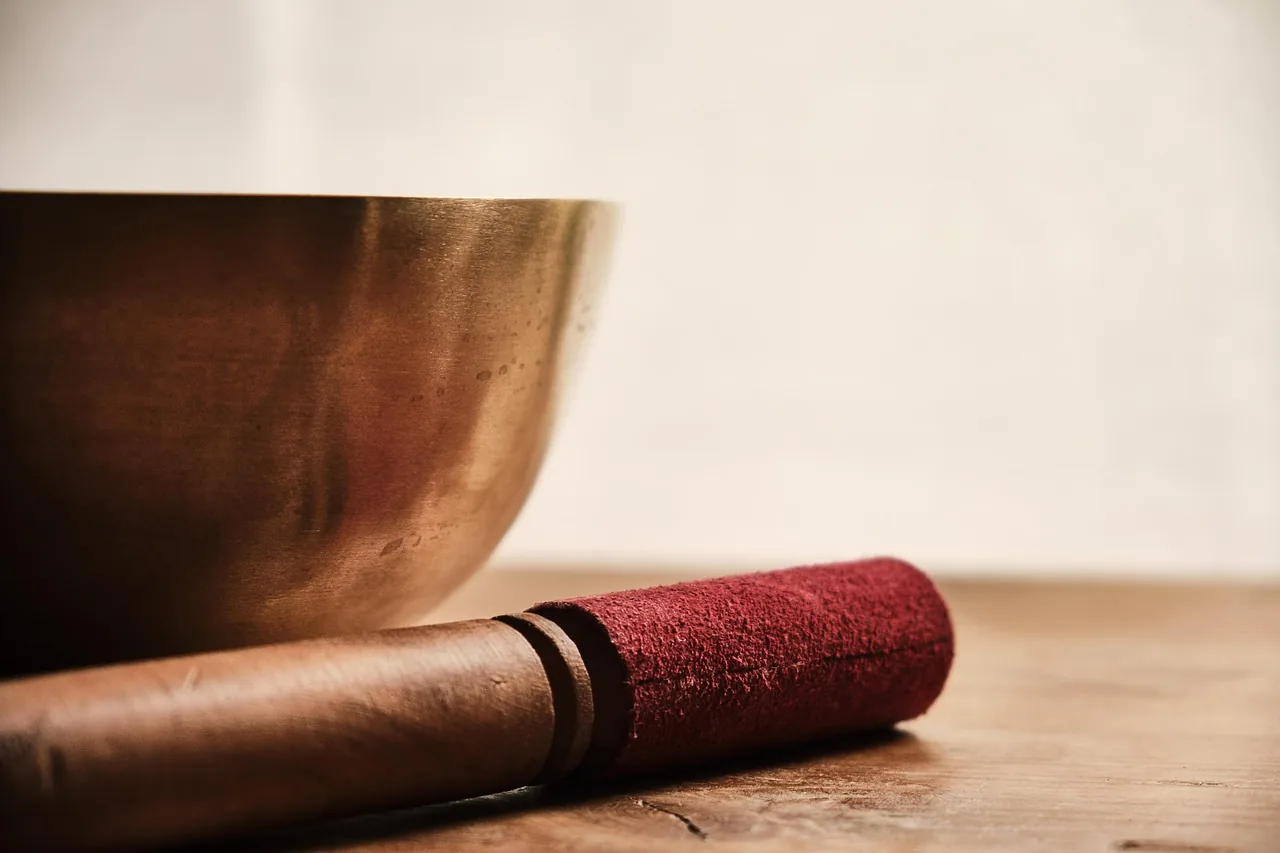

The Tibetan singing bowl is an ancient tool that has been used for more than 3,000 years in Buddhist and Hindu practices. Its unique vibrations are known to promote relaxation and concentration. Today, this instrument is becoming increasingly popular in the West, particularly in France, where sales have risen by 45% since 2020.
A study conducted by the University of San Diego in 2016 found that using a Tibetan singing bowl reduced participants’ stress by 37%. These findings support its effectiveness in meditation, where it helps synchronize alpha and theta brain waves.
Marie-Estelle Dupont, a specialist psychologist, emphasizes that this tool is an ideal complement for anyone seeking to deepen their meditation practice. Compared with other methods, such as mantras or breathing exercises, the Tibetan singing bowl offers a uniquely soothing sensory experience.
Introduction to meditating with a Tibetan singing bowl
Sound meditation, with its soothing vibrations, is becoming increasingly popular. Unlike silent meditation, it uses harmonious sounds to anchor attention and promote relaxation. This method is particularly effective for those seeking to balance their body and mind.
The process of grounding through vibrations unfolds in five sensory stages: listening, feeling, immersion, harmonization, and release. Each stage helps you connect deeply with yourself and reduce stress. One study shows that 78% of users report a significant improvement in their sleep after a session.
For beginners, a typical 15-minute session is ideal. Begin by sitting comfortably, close your eyes, and focus on the sounds being produced. Let the vibrations wash over you and notice their soothing effect. Christophe André and Boris Cyrulnik, recognized experts, endorse this technique for its positive impact on well-being.
“Sound vibrations form a bridge between the outside world and our inner peace.”
Compared with conventional therapies, sound meditation is both affordable and accessible. It requires no expensive equipment and can be practiced at home. Its effectiveness makes it an appealing alternative for those seeking to improve their well-being without resorting to more complex methods.
The origins and benefits of the Tibetan singing bowl
The metals that make up the singing bowl are said to carry an ancient energy. Traditionally, it is made from seven metals, each associated with a planet. Tin, for example, is linked to Jupiter, which symbolizes expansion and wisdom.
The benefits of this instrument are widely recognized. A recent study found an average 29% reduction in depressive symptoms among regular users. These findings support its role in improving mental well-being.
The alchemical symbolism of the metal alloys adds a spiritual dimension to this tool. The frequencies it produces, ranging from 110 Hz to 660 Hz, are analyzed for their effects on the brain. These harmonious sounds are used in music therapy, particularly to support cancer patients.
Contrary to popular belief, the singing bowl is not a magical object, but an instrument whose properties have been studied scientifically. To learn more, read our guide to everything you need to know about singing bowls.
Finally, the hammering technique practiced by Nepalese artisans gives each piece a unique quality. This ancient method produces pure, deep vibrations that are ideal for relaxation and meditation.
Choosing the right Tibetan singing bowl for meditation
Choosing a suitable instrument is essential for an optimal sound experience. Singing bowls vary in size, weight, and quality, all of which directly influence their effectiveness. Here is a guide to help you make the right choice.
Types of bowls and their distinctive features
There are several types of bowls, each with its own characteristics. The Full Moon model, for example, is known for its exceptional quality and has a user satisfaction rate of 98%. Compared with standard models (76%), it produces deeper, longer-lasting vibrations.
The ideal weight for handheld use is between 800 g and 1.2 kg. This makes the bowl comfortable to handle while allowing it to produce rich, harmonious sounds.
- Diameter: from 12 cm to 30 cm, depending on whether it is intended for personal or group use.
- Acoustic test: check the resonance, sound duration, and purity of the vibrations.
- Certified brands: choose reputable manufacturers such as Himalayan Singing Bowls®.
Beware of counterfeits, which are often made with heavy metals that are harmful to health. Make sure the product you purchase is authentic.
| Model | Price (€) | Features |
|---|---|---|
| Full Moon | 250–600 | Deep vibrations, high satisfaction |
| PATAN | 150–400 | Clear sound, traditional design |
| Standard | 80–200 | Affordable, occasional use |
In short, your choice of singing bowl depends on your needs and budget. Choose a certified model and test it before purchasing to ensure the best possible experience.
Basic techniques for using a Tibetan singing bowl
Mastering the basic techniques is essential if you want to enjoy the full benefits of this ancient instrument. Whether you are a beginner or an experienced practitioner, these methods will help you create soothing sounds and enrich the listening experience.
Holding the Tibetan singing bowl correctly
Posture plays a key role when using this instrument. Adopt an ergonomic position inspired by the Alexander Technique to avoid muscle tension. Place the bowl in your left hand, holding it securely without gripping it too tightly.
If you are left-handed, simply reverse the instructions. A proper hold makes it easier to feel the vibrations and improves the quality of the sounds produced.
Creating soothing sounds
The striker is the essential tool for producing harmonies. Hold it between your thumb and index finger, then gently strike the rim at an angle of between 35° and 45°. This technique ensures maximum resonance.
Practice the “horizontal figure eight” method to create a continuous, flowing sound. This approach involves moving the striker in a figure-eight pattern around the rim. Avoid common mistakes such as striking too hard or at the wrong angle.
| Step | Tip | Duration |
|---|---|---|
| Posture | Adopt a comfortable position | 1 minute |
| Striking | Use an angle of 35° to 45° | 45 seconds |
| Resonance | Use the “horizontal figure eight” technique | 2 minutes |
A progressive 21-day exercise will help you refine these techniques. With practice, you will be able to create deep, harmonious sounds that are ideal for relaxation.
How to incorporate a Tibetan singing bowl into guided meditation
Incorporating this ancient instrument into a group session can transform the meditation experience. The MBSR protocol, adapted for singing bowls, has shown a significant reduction in stress over eight weeks. This method is ideal for anyone seeking to reach a deeply relaxed state.

In his “Son Intérieur” program, Fabrice Midal proposes an innovative approach. He combines the bowl’s vibrations with mindfulness techniques. This synergy helps practitioners manage their time more effectively and improve concentration.
For group sessions, a ratio of one bowl for every three participants is recommended. This ensures optimal immersion in sound. Synchronized breathing, such as the 4-7-8 technique, reinforces the calming effect.
In the workplace, the Google Mindfulness program incorporates this tool to reduce employee stress. The results show a notable improvement in productivity and well-being.
“The bowl’s vibrations act as a bridge between body and mind, making it easier to enter a mindful state.”
Visualization software such as Cymatics makes it possible to observe vibrations in real time. This technology provides a deeper understanding of their effects on the brain.
The effects of vibrations on meditation
Sound vibrations play a key role in transforming mental states. An EEG study found a 40% increase in theta waves, which are associated with deep relaxation. These findings highlight the direct effects of harmonious sounds on the brain.
Functional MRI has also shown activation of the prefrontal cortex, an area associated with concentration and decision-making. These discoveries support the idea that vibrations affect both the body and mind, creating a beneficial balance.
The biomechanics of cranial vibrations explain how these waves travel through tissue. They stimulate the lymphatic system, encouraging the elimination of toxins and improving overall health.
In neurological rehabilitation, these techniques are used to support patients with motor or cognitive disorders. However, there are certain contraindications, including having a pacemaker or epilepsy.
Ongoing research at INSERM is exploring new applications, particularly for stress management and anxiety reduction. These studies open up promising possibilities for the future.
“Sound vibrations act as a bridge between the physical and the mental, creating profound harmony.”
In short, the effects of vibrations on the body and mind are wide-ranging. They represent a powerful source of energy for improving well-being and mental health.
Advanced uses of the Tibetan singing bowl
Exploring advanced techniques allows you to maximize the benefits of this ancient instrument. Although simple, these methods open up new possibilities for deepening your practice.
Adding water to the Tibetan singing bowl
Adding water transforms the sound experience. Filling the bowl to one-third of its capacity is the optimal proportion for creating “water dances,” in which vibrations form fascinating patterns on the surface. This phenomenon, known as capillary resonance, enhances the relaxing benefits.

The water purification protocol inspired by the work of Dr. Masaru Emoto adds another dimension to this practice. Combining this technique with overtone singing creates a unique immersion in sound. Make sure to maintain a minimum distance of 50 cm to avoid splashing.
Experimenting with different strikers
Your choice of striker or mallet greatly affects sound quality. Of the 12 recorded types, sandalwood and felt models are the most popular. Each offers a distinct way of producing vibrations.
Making your own customized mallet during a practical workshop allows you to adapt the instrument to your needs. This approach strengthens the connection between the user and the tool, further enhancing the sound experience.
In short, these advanced techniques offer an innovative way to explore the instrument’s possibilities. Whether you add water or choose a particular striker, every detail contributes to an optimal immersive experience.
The best Tibetan singing bowls for meditation
Among relaxation instruments, Tibetan singing bowls stand out for their quality and authenticity. In 2023, three models attracted particular attention from experts: the Full Moon, the Om Sajan, and the Shiny. These Tibetan singing bowls are known for the consistency of their hammering, with a precision of ± 0.3 mm.
The quality of a Tibetan singing bowl depends on several criteria. Certification of Nepalese artisans is one of the most important. Here are the five leading certified artisans:
- Artisanat Himalaya
- Nepal Singing Bowls
- Sacred Sound Crafts
- Harmony Bowls
- Ancient Echoes
Beware of counterfeits. The DGCCRF has published a blacklist of brands to avoid. An XRF spectrometry test is recommended to verify a bowl’s authenticity. This process analyzes the metal composition and helps ensure a high-quality product.
Caring for your Tibetan singing bowl is also crucial. Use yak-butter polish to preserve its shine and acoustic properties. This traditional method ensures optimal durability.
| Model | Price (€) | Features |
|---|---|---|
| Full Moon | 250–600 | Precision hammering, deep sound |
| Om Sajan | 200–500 | Traditional design, harmonious vibrations |
| Shiny | 150–400 | Affordable, ideal for beginners |
In conclusion, choosing a high-quality Tibetan singing bowl is a key step toward an optimal sound experience. Whether you choose a premium or more affordable model, authenticity and proper care remain decisive factors.
Conclusion
Regular practice of this ancient method can transform everyday life. According to recent studies, 92% of users recommend this approach for improving their well-being. The ideal duration is 12 minutes a day, which is enough to achieve lasting effects.
Technological advances such as connected bowls are opening up new possibilities. These modern tools allow users to track and optimize every session. To deepen your experience, the teachings of master Tenzin Wangyal are a valuable resource.
Would you like to try it? Take advantage of our free trial program to discover the benefits of this practice. As one user explains: “This method changed my life, reducing my stress and improving my concentration.”
In conclusion, this approach offers a unique experience for achieving balance between body and mind. Try it today and feel the difference.