
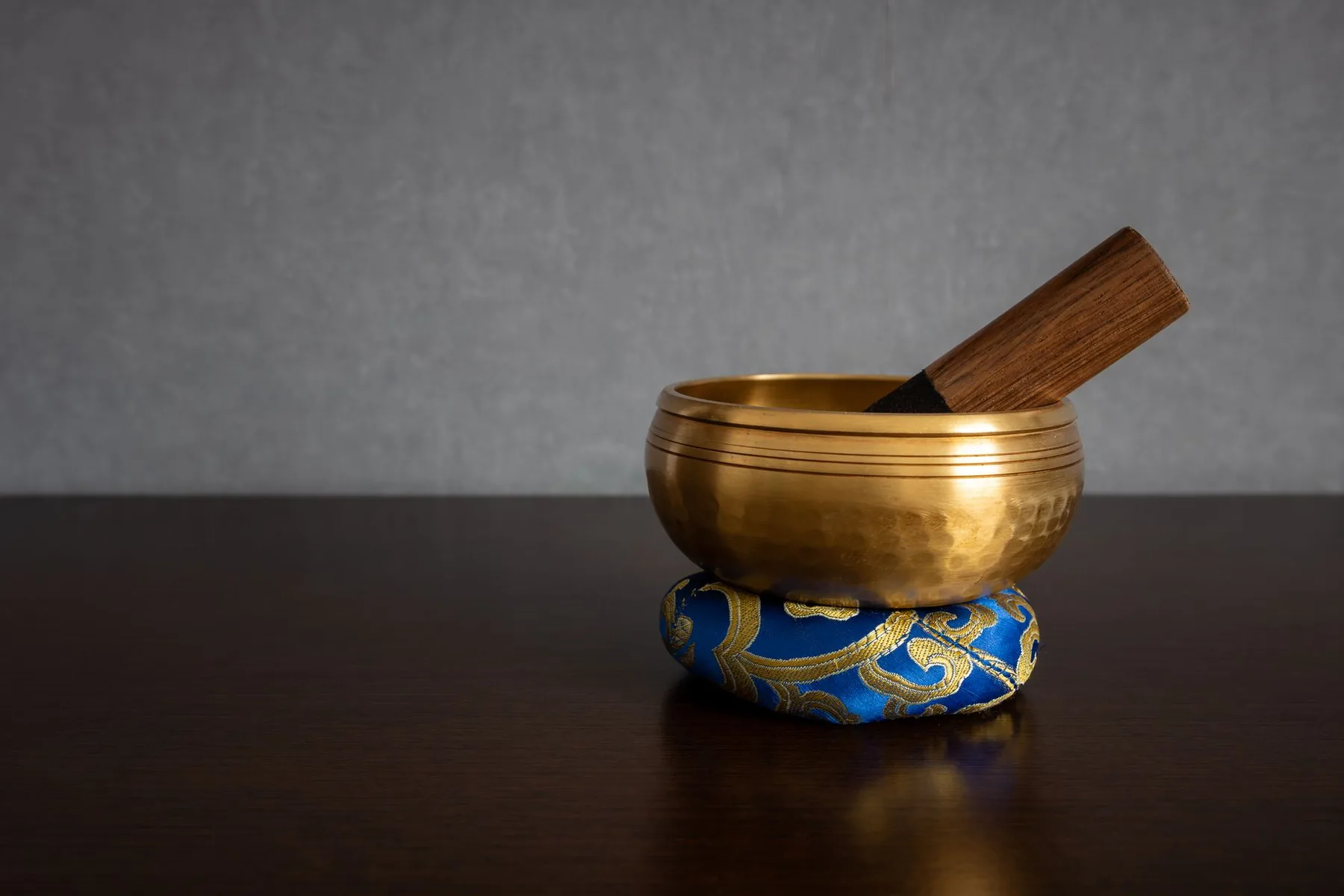

For more than 10 years, Tibetan singing bowls have captivated many enthusiasts with their unique sound and soothing benefits. Used for meditation, therapy or decoration, these instruments offer an incomparable sensory experience. But how can you navigate the many models available?
Material is an essential consideration. Metal bowls, often hammered by hand, are prized for their authenticity and traditional engravings. Crystal bowls, meanwhile, stand out for their tonal precision and the clarity of their notes. Size and weight also affect their sound and portability.
Each note corresponds to a chakra, helping to harmonize energy. The sound frequency, generally 440 hertz, can vary to produce specific effects. Finally, visual appearance helps create a soothing connection with the user. To learn more, read our complete guide.
Introduction: why choosing the right Tibetan singing bowl matters
Tibetan singing bowls, true acoustic treasures, play a key role in meditation practices. Their unique sound and soothing vibrations directly influence energy and well-being. However, the wrong choice can undermine this experience.
An unsuitable Tibetan singing bowl may produce a discordant sound or ineffective vibrations. This diminishes its impact during meditation or therapy sessions. To avoid this, it is crucial to choose your bowl carefully according to your needs and practice.
Authenticity is another essential consideration. Hand-hammered bowls, such as Full Moon and PATAN bowls, are renowned for their artisanal quality. Unlike cast bowls, they offer a rich tone and foster a deep emotional connection.
| Bowl type | Characteristics | Advantages |
|---|---|---|
| Hand-hammered | Authentic, traditional engravings | Rich sound, deep vibrations |
| Cast | Mass-produced, uniform | Affordable price, availability |
Finally, an emotional connection with the instrument is paramount. A quality bowl becomes a meditation companion, strengthening inner harmony and energetic balance.
Essential criteria for choosing a Tibetan singing bowl
Choosing a Tibetan singing bowl involves considering several essential criteria for the best possible experience. Material, size and weight play a key role in the quality of the vibrations and the bowl’s ease of use.
Material: metal or quartz crystal?
Metal bowls, often hammered by hand, are valued for their authenticity and rich sound. They produce deep vibrations that are ideal for meditation. Quartz crystal bowls, meanwhile, offer exceptional tonal clarity and are often used for their precision.
Size and weight: tailor your choice to your practice
Size directly affects sound frequencies. A bowl measuring 8 cm in diameter produces high notes that are perfect for energizing practices, while a 25 cm bowl produces low notes conducive to relaxation. Weight is also crucial: a bowl that is too heavy can be difficult to handle during prolonged use.
For professionals, bowls measuring 12 to 17 cm are recommended because they are easy to transport. For example, a 15 cm bowl is ideal for cleansing stones. Antique Himalayan bowls, known for balancing size and power, remain a benchmark in this field.
The importance of pitch and sound frequency
The pitch and sound frequency of a singing bowl directly influence its effect on the body and mind. Each note corresponds to a specific chakra, creating a unique energetic harmony. For example, C is associated with the root chakra, while A at 440 Hz is the modern reference pitch.
There is a notable difference between 440 Hz, used in modern music, and 432 Hz, which is considered more natural and harmonious. Crystal bowls are often preferred for achieving this frequency because they offer unmatched tonal precision.
Although authentic, metal bowls are less suited to the precise tuning of frequencies. By contrast, a crystal bowl tuned to 528 Hz is ideal for energy work thanks to its soothing, balancing vibrations.
To test bodily resonance, place the bowl near your body and listen carefully to the vibrations. Each note may resonate differently in different areas, thereby strengthening the balance of the chakras.
How to choose a Tibetan singing bowl suited to your needs
Harmony between sound and energy lies at the heart of the experience offered by singing bowls. To find a bowl that resonates with you, it is essential to understand its effect on the chakras and consider its visual appearance.
Chakras and energetic effects
Each bowl produces specific vibrations that influence the chakras. For example, a bowl tuned to C stimulates the root chakra, promoting stability. A good bowl can therefore balance your inner energy.
“The vibrations of a singing bowl act like a soothing wave, rebalancing the body’s energy centers.”
Crystal bowls are especially effective for targeting specific chakras because of their tonal precision. Metal bowls, by contrast, offer deeper resonance that is ideal for overall relaxation.
Visual appearance and the importance of how it feels
A bowl’s appearance plays a key role in the emotional bond you form with it. Handcrafted engravings, such as those on Kalyan Tamrakar’s creations, strengthen this connection. Avoid overly shiny bowls, which may distract you during meditation.
- Choose matte or polished finishes for a soothing experience.
- Try several bowls before buying, even online with the help of audio recordings.
How the bowl feels is also crucial. Take the time to handle it and check its balance and resonance. A well-chosen bowl becomes a meditation companion, strengthening your inner harmony.
| Finish type | Advantages | Ideal use |
|---|---|---|
| Polished | Smooth surface, easy to handle | Daily meditation |
| Hammered | Authenticity, deep vibrations | Sound therapy |
To learn more about the selection criteria, read our complete guide.
The different types of Tibetan singing bowls and their uses
Tibetan singing bowls are remarkably diverse, offering unique sound experiences depending on how they are made. Whether you seek deep resonance or exceptional clarity, each type of bowl meets specific needs.
Cast or hand-hammered bowls
Cast bowls are mass-produced, making them more affordable and widely available. However, their sound quality can vary because they often lack the harmonic richness of hand-hammered bowls.
Hammered bowls, by contrast, are handcrafted and offer an authentic tone and deep vibrations. Each piece is unique, with traditional engravings that add to its charm. These bowls are ideal for anyone seeking an emotionally rich sound experience.
Antique bowls: acoustic treasures from the past
Antique bowls, between 50 and 300 years old, are rare and precious pieces. Originating in Tibet, Nepal or Bhutan, they embody a rich history and energy accumulated over the centuries.
Their sound quality is often exceptional, with rare harmonics and sustained vibrations. However, their varied nature means their authenticity must be checked carefully. Consult experts, such as those at Instruments du Monde, to buy with confidence.
“An antique bowl is far more than an instrument: it is an acoustic legacy passed down through generations.”
To test an antique bowl, listen to how long its vibrations persist. A good example can resonate for more than a minute, offering an immersive and soothing experience.
| Bowl type | Characteristics | Average price |
|---|---|---|
| Cast bowls | Mass-produced, uniform | €50 to €150 |
| Hammered bowls | Authenticity, deep vibrations | €150 to €400 |
| Antique bowls | Rare harmonics, historic energy | €200 to €600 |
Collectors specializing in antique bowls from the premodern era (before 1950) seek these pieces for their rarity and sonic power. If you want to find a bowl that is authentic, take the time to research and test several models.
Practical advice for buying a Tibetan singing bowl
Buying a singing bowl requires particular care to ensure a rewarding experience. Whether you are a beginner or an expert, here are some tips to help you make the right choice.
Should you buy online or from a physical store?
Buying online offers a wide variety of models and makes it easy to compare prices. However, it is essential to check the seller’s reputation and read customer reviews. Some websites even provide audio recordings so you can assess sound quality.
In a store, you can test the bowl directly, feel its vibrations and check its balance. This makes it easier to choose a bowl that meets your expectations. If you are unsure, choose a store specializing in meditation instruments.
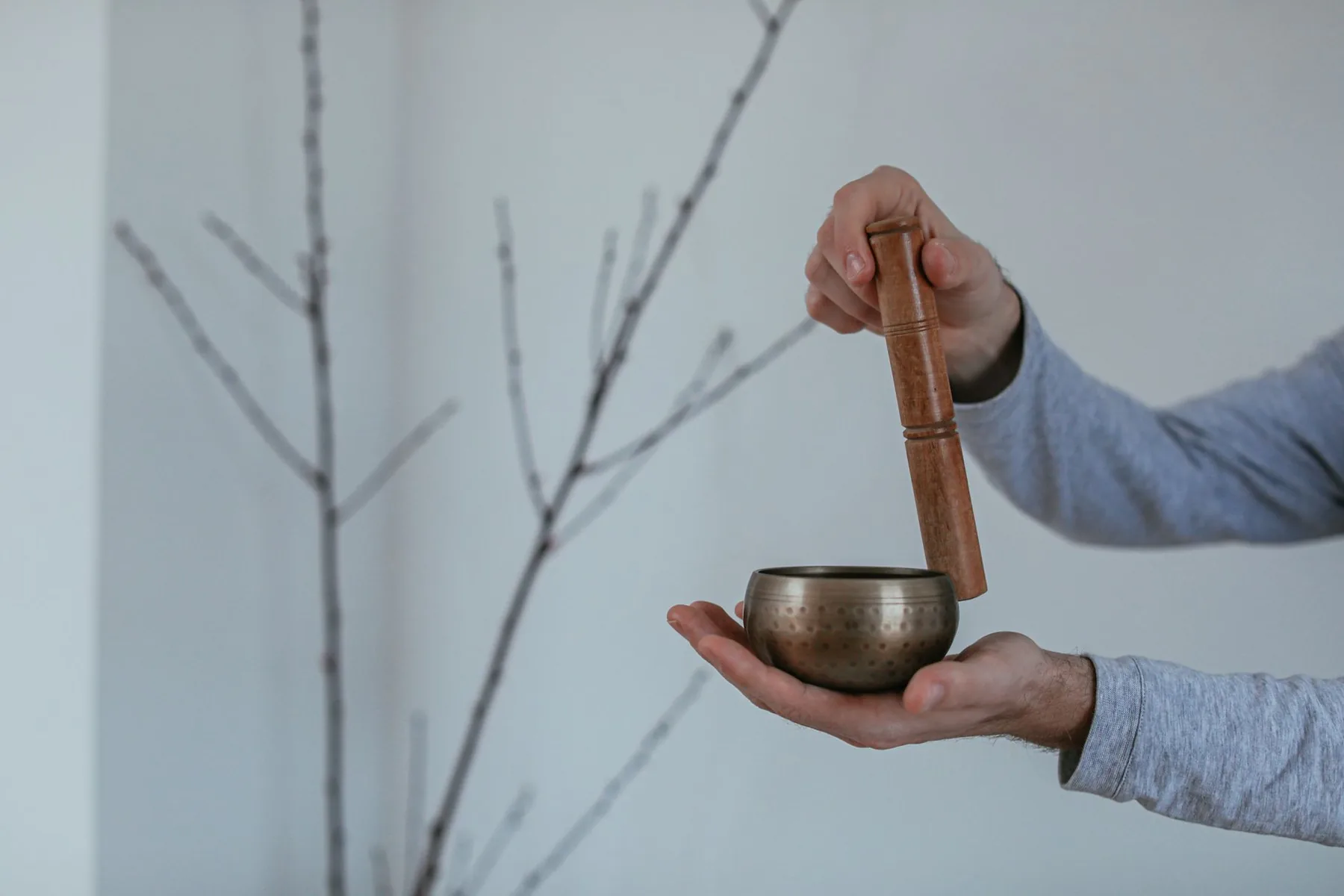
Budget: a consideration you should not overlook
Your budget is a key factor in your decision. Prices vary according to the material and manufacturing method. For example, a cast bowl costs between €30 and €80, while a hand-hammered bowl may cost €400 or more.
To save money, choose a medium-sized Nepalese bowl measuring 12 to 15 cm. Avoid overpaying for unnecessary accessories such as gold-plated mallets. OM bowls often offer good value for money: they are available for around €150 with a certificate of authenticity.
Finally, some sellers offer trial rentals before the final purchase. This lets you determine whether the bowl meets your needs without committing a substantial budget from the outset.
| Bowl type | Price range | Advice |
|---|---|---|
| Cast | €30 to €80 | Ideal for beginners |
| Hand-hammered | €100 to €400 | Authenticity and rich sound |
| Full Moon | €500 and above | For collectors |
Conclusion: make the right choice for your Tibetan singing bowl
Making the right choice for your Tibetan singing bowl is a personal process that combines intended use, budget and how the bowl feels. Depending on your practice, focus on the essential criteria: a crystal bowl for therapy or a hand-hammered model for its authentic sound.
Despite its higher cost, authentic craftsmanship offers unmatched quality and resonance. Take the time to test several models to find the one that resonates with you. This will ensure a rewarding experience suited to your needs.
For additional help, read our resources, such as the price guide or care tutorials. Explore the Instruments du Monde collection, which comes with a money-back guarantee, and make the right choice with confidence.