
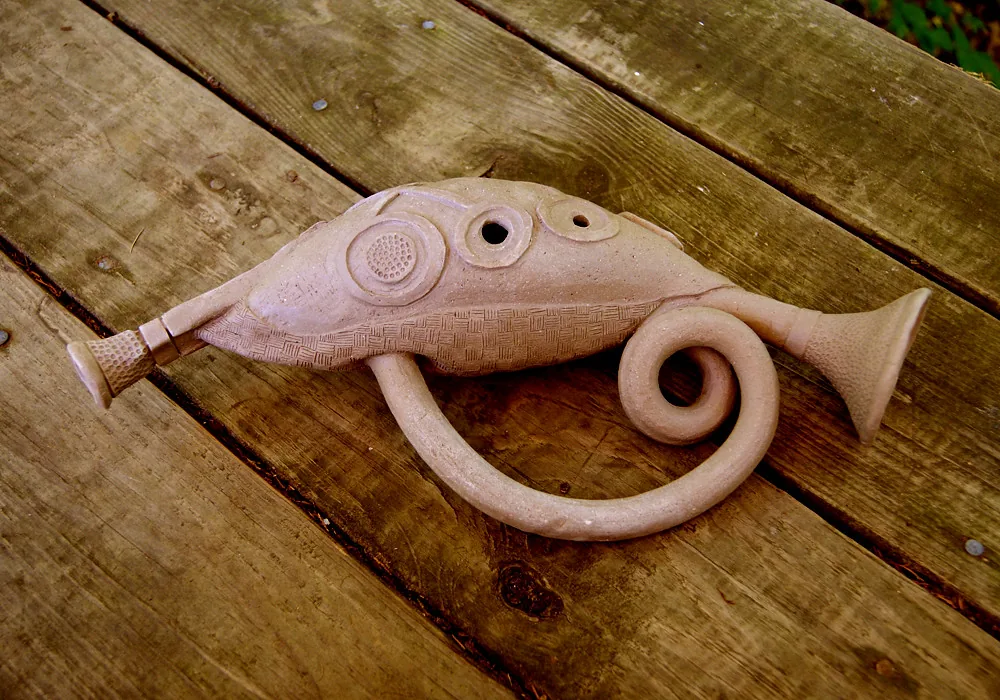

The success of the Zelda games has inspired many young people to learn a simple and charming wind instrument. This guide helps parents make a sound choice without being won over by an attractive-looking instrument that is poorly tuned.
Choose specialist retailers to ensure accurate tuning and lasting sound quality. Inexpensive models sold on general-purpose marketplaces may provide a disappointing experience.
On this page, we explain how to balance budget, design and range. You will learn why a 12-hole alto ocarina in C is often the best compromise and how to avoid poorly tuned toys that discourage beginner musicians.
For detailed advice and recommended selections, read our complete guide at Healing Sounds.
Why choose an ocarina for a child?
Its oval shape and compact size make this instrument ideal for small hands. It is easy to hold and does not require forceful blowing.
Playing encourages artistic development from the very first notes. Young musicians discover sounds, rhythms and the pleasure of creating a simple melody.
- Easy handling: suitable for small hands and flexible young fingers.
- Coordination: covering and uncovering the holes improves hand-eye coordination.
- Quick learning: simple tunes can be played within a few hours.
- Durable and portable: perfect for active children and travel.
Giving a child this instrument offers them a fun, accessible first musical experience. Ocarinas stimulate creativity while remaining easy to use every day.
Ocarina for children: which model should a beginner choose?
A well-chosen first instrument turns curiosity into rapid progress.
Choosing between four and six holes has a direct effect on the learning curve.
Four-hole models
Four-hole versions provide a simple range of eight notes. They are ideal for very young musicians learning the basics.
Advantages:limited number of fingerings, quick learning and stable tuning.
The advantages of six-hole versions
Six-hole instruments extend the range to around seventeen notes. They offer a wider register and allow players to begin exploring octaves.
Pacchioni fingering makes it easier to move between chambers on multi-chamber models. This helps beginners progress without encountering a technical barrier.
- 4 holes: simple and perfect for younger children.
- 6 holes: more notes and more possible melodies.
- Tuning is often simplified on these versions.
| Type | Number of notes | Intended players | Complexity |
|---|---|---|---|
| 4 holes | 8 | children under 6 | low |
| 6 holes | up to 17 | developing young musicians | medium |
| 12 holes (standard) | wide range | advanced students | high |
To explore a suitable selection, browse our ocarina collection. This selection helps balance simplicity, tuning and playing enjoyment.
Understanding how this wind instrument works
Sound is produced by a channelled airflow that makes the internal chamber resonate. Air blown into the mouthpiece vibrates inside the cavity. This vibration creates the note’s timbre and pitch.
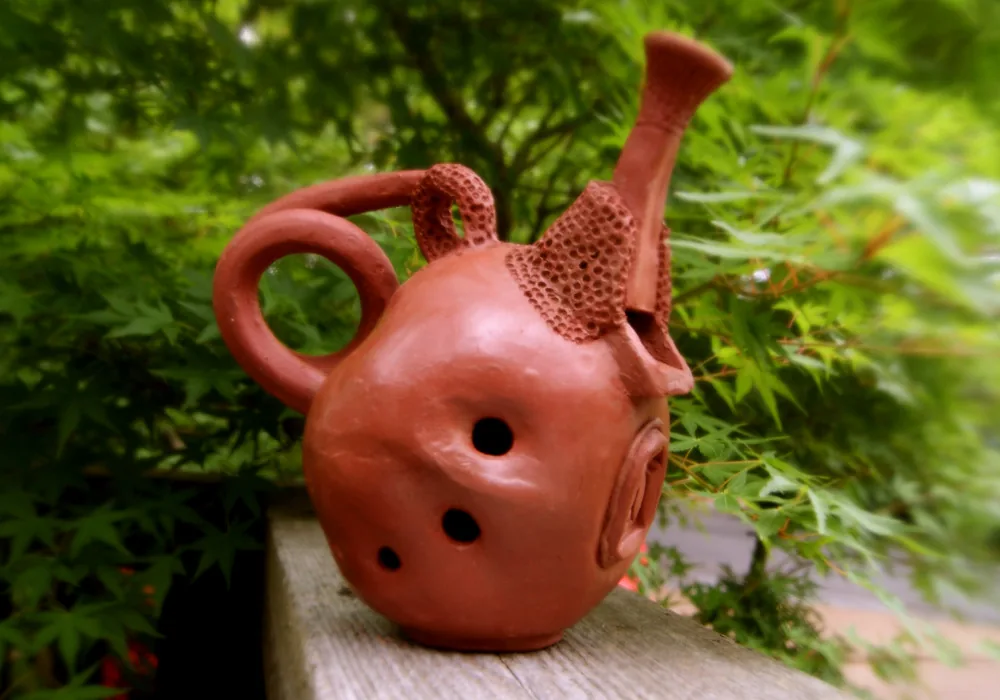
By opening or closing the holes, the musician changes the effective air column. This adjusts the pitch and makes it possible to produce several notes. Understanding the instrument’s range helps players make better use of the available notes.
- Principle: air vibrates inside a simple, efficient cavity.
- Control: the number of open holes directly affects each note.
- Breath: steady pressure ensures a stable timbre and clear notes.
- Range: one instrument covers a series of notes depending on its number of holes.
For beginners, mastering breath control and fingering ensures rapid progress. Well-tuned ocarinas provide an accurate sound experience that encourages musical learning.
The different types of holes and their effect on playing
The position of the openings on the instrument directly affects intonation and playing comfort.
Each hole changes the pitch of a note and contributes to tuning accuracy. A thoughtfully designed layout allows the hand to cover every opening without strain.
Beginners progress more quickly with a limited number of holes because the fingerings remain simple and reduce the risk of air leaks.
- Ergonomic placement: fingers rest naturally over the holes.
- Number of holes: fingering complexity and note range increase together.
- Air and timbre: the effect of the breath across open holes colours the sound.
“A secure grip prevents leaks and ensures stable notes.”
| Criterion | Effect | Recommendation |
|---|---|---|
| Hole layout | Ergonomics and accuracy | Test the grip before buying |
| Number of holes | Range and fingering complexity | Start younger children with fewer holes |
| Interaction between air and holes | Timbre and intonation | Learn to control the breath |
For a detailed explanation of the instrument and practical advice, read this page.
Comparing plastic and ceramic
Choosing between plastic and ceramic means balancing durability against tonal richness.
The durability of plastic
Plastic stands out for its resilience.
Plastic models generally weigh between 40 and 80 grams. Their light weight limits damage from falls and makes them easier to hold.
The price remains attractive, making plastic a good low-risk choice for a first purchase.
The tonal richness of ceramic
Ceramic prioritises timbre and resonance.
Ceramic ocarinas provide approximately 30% more sustain than plastic versions. The result is a warmer timbre and greater expressiveness.
However, their fragility requires more careful handling, and they often cost more.
- Plastic:durable, lightweight and inexpensive.
- Ceramic:greater resonance, rich timbre and careful handling required.
| Material | Weight | Key advantage | Recommended use |
|---|---|---|---|
| Plastic | 40–80 g | Drop resistance | Outdoors, beginners |
| Ceramic | heavier | Resonance and sustain: +30% | Study, recording |
| Hybrid | variable | Compromise | Versatile use |
“The right compromise depends on how it will be used: durability outdoors or richness for study.”
Choosing a range suited to your child’s abilities
The span of available notes determines the accessible repertoire and the player’s technical progression.
The range is the span of pitches an instrument can produce, from low to high. It guides the choice of hole count and determines the playable scale.
A 12-hole instrument offers a range of approximately one and a half octaves. This allows players to perform a wide variety of pieces and explore simple arrangements.
- Breathing:a suitable range avoids excessive effort and protects respiratory capacity.
- Fingering:the number of holes should suit the size of the player’s hands for comfortable playing.
- Progression:a medium range is well suited to beginners because it balances low and high notes.
“The range directly influences the difficulty of the pieces a child can perform.”
In short, choose a sufficient range for playing popular tunes without unnecessary complexity. A 12-hole ocarina remains an excellent compromise for young musicians who want to progress quickly.
Leading brands for a first purchase
Several brands stand out for the quality of their instruments and the support they offer young musicians.
Reliability and a broad range.
STL Ocarina is recognised worldwide. The company has offered reliable instruments for more than 15 years.
Its ranges include models of various sizes and with different numbers of holes, suited to every hand size and ability level.
Songbird Ocarina
Original design and visual appeal.
Songbird stands out through creative shapes and colours. These models attract attention and motivate learners.
They are available in plastic and ceramic, with useful online methods for young beginners.
Musique de Terre
French craftsmanship
Olivier Gosselink has been making handcrafted ocarinas in France for more than 30 years.
His ceramic creations offer excellent intonation and high-quality resonance.
- Advantages:online methods, sound quality and much greater durability than inexpensive toys.
- Price:varies according to the material (plastic or ceramic).
- Recommendation:test the grip and check that the number of holes is suitable for the child’s age.
“Choosing an established brand makes progress easier and protects your investment.”
The importance of tuning for a successful musical experience
Good tuning ensures that every note sounds right. It supports steady progress and encourages learning.
Ocarinas are generally tuned to a fundamental note: C, F, G or D. C remains the most widely recommended because it provides easy access to the complete major scale.
- Intonation:stable tuning prevents wrong notes and develops listening skills.
- Timbre:timbre quality depends on tuning accuracy.
- Range:a well-regulated range makes it possible to play varied pieces.
Wind instruments require regular checking. Check the tuning before each session to ensure an enjoyable experience and consistent progress.
“A well-tuned instrument helps students develop their ear and confidence.”
For practical advice, read our dedicated article and a buying guide for families.
Tips for an ergonomic grip
Using a suitable grip makes movements natural and effortless.
Use the pads of your fingers to cover the holes. This technique prevents air leaks and reduces tension in the hand.
Keep your posture relaxed. Maintain stable chest support for steady breathing. This helps produce clear, stable notes.
- Comfort:a good grip prevents fatigue and finger pain.
- Suitability:choose models designed for small hands so that the holes are easy to cover.
- Sound quality:the accuracy of finger contact directly affects the note’s intonation and richness.
Simple exercises, such as positioning each finger without blowing, help establish a natural posture. Repeat these movements for a few minutes before playing melodies.
“Thoughtful ergonomics make learning more enjoyable and sustainable.”
Using digital tools to learn tablature
Digital tools simplify tablature learning by making each fingering visible and interactive.
Part’Ocarina is an online tool that lets users create their own scores by clicking piano keys.
Tablature visually indicates which holes to cover. This presentation helps beginners immediately associate each movement with a note.
Creating your own scores online
A simple, personalised method:
- Viewing fingerings makes reading easier than with a conventional score.
- Users can compose tunes and export a note grid for practice.
- STL Ocarina also provides digital resources that complement this method.
| Tool | Key function | Advantage |
|---|---|---|
| Part’Ocarina | Key-based creation | Shows which holes to cover |
| STL Ocarina resources | Guides and tablature | Suited to popular models |
| General-purpose software | Score editing | Supports exporting and printing |
Learning improves when resources show the fingerings clearly. This approach makes practice more enjoyable and speeds up learning for musicians studying online.
“Learning to read tablature online is a key step towards playing favourite pieces accurately.”
For a step-by-step guide, read our complete tutorial, which explains how to incorporate these tools into your routine.
Maintaining the instrument to preserve its sound quality
A few simple steps are enough to preserve sound quality over the long term.
After every use, gently wipe the mouthpiece and holes with a soft cloth. This removes moisture and prevents internal corrosion that could affect the sound.
For ceramic models, store the instrument in a padded case. Ceramic sounds better but can crack easily following an impact.
Plastic versions are more resistant to falls. Nevertheless, periodic cleaning clears every hole and ensures that air can pass through freely.
- Quick cleaning after the session: use a soft, dry cloth.
- Check the holes regularly to prevent deposits.
- Protection: use a padded case for ceramic instruments and store them away from impacts.
This simple method keeps your instrument reliable and enjoyable to play. Caring for it soon becomes a useful habit for every young musician.
“Regular maintenance preserves accurate tuning and extends the pleasure of playing.”
Conclusion
For a young musician, the choice of instrument should combine sound quality, comfortable handling and playing enjoyment.
Choosing a good instrument encourages musical discovery and long-term motivation. Choose established brands such as STL Ocarina or Musique de Terre to ensure a reliable sound experience.
The range, number of holes and material affect hand comfort and how the notes sound. More than price, these criteria determine whether a model is genuinely suitable for beginners.
A well-tuned first ocarina makes online learning and progress easier. Explore the available models to give your child an instrument that will accompany their first notes and nurture their enjoyment of playing.