


A rapidly growing musical phenomenon.
Sales of this instrument have risen by more than 300% since 2015 thanks to popular culture. This guide covers the key points to consider when choosing a wooden model.
We explain why the warm sound of wood has won over so many musicians. You will also learn about the essential criteria: number of holes, key, ergonomics and finish.
Practical advice: choose a specialist retailer for a safe online purchase. Visit a specialist retailer to compare models and reviews.
This short article will guide you step by step in selecting an instrument suited to your level. The following sections examine maintenance, intonation and pitfalls to avoid.
The rise of the ocarina in contemporary musical culture
The instrument’s presence in video games and television series has revived interest among a broad audience.
The Legend of Zelda series brought the ocarina into the spotlight. Since 2015, sales have increased by 300%, reflecting its growing popularity.
Why is it so successful? Its ease of learning appeals to beginners. Within a few hours, a musician can begin playing memorable melodies.
- Popular culture has made the instrument instantly recognizable.
- Manufacturers now offer varied models for every skill level.
- This article shows how the ocarina combines tradition with modern uses.
The community in France is following this trend. Whether for recreation or ambitious projects, the ocarina appeals to amateurs and professionals alike.
Wooden ocarina: benefits, limitations and buying advice
The warm sound of a wooden model appeals to many contemporary musicians.
Sound benefits: wood produces a rounded, organic tone that complements simple melodies. Its notes have a gentle quality prized by players seeking an alternative to ceramic or plastic.
Sound benefits
Harmonic richness depends primarily on tuning and the precision with which the holes are made. Specialist craftspeople, such as Musique de Terre, often perform this painstaking tuning work.
Structural limitations
Be careful: these instruments are sensitive to moisture. Changes in humidity can affect their tuning and impair note accuracy.
“Poor tuning makes the instrument practically unusable for playing precise melodies.”
- These models often cost more than €200 because of the craftsmanship involved and the selection of suitable woods.
- They require regular maintenance, unlike ceramic versions, which are more stable but breakable.
- Check the build quality before making your final choice to ensure that the instrument holds its tuning well.
How the instrument works acoustically and mechanically
Sound is produced when air blown across the mouthpiece causes the air inside the cavity to vibrate.
As a wind instrument, the ocarina produces sound through the vibration of a column of air inside a hollow chamber.
The pitch of each note depends on the effective length of this column. The musician changes it by opening or closing the holes with their fingers.
The simple mechanism conceals a need for precision: poor finger placement affects intonation. Breath techniques play a major role in stabilizing the tone.
- Breath control prevents airy or unstable sounds.
- Modern ocarinas have optimized mouthpieces that make sound production easier.
- Mastering playing techniques speeds up progress, even for beginners.
“Each note results from a balance between air pressure, finger position and chamber shape.”
To learn more about its construction and uses, read this detailed overview of the definition and uses of the ocarina.
Comparing ranges and hole configurations
The hole configuration determines the instrument’s range and ease of playing.
Single-chamber models
Twelve-hole alto ocarinas in C are the standard choice for a first ocarina. They cover approximately 1.5 octaves, which is enough to play many popular pieces.
They are comfortable to hold and compatible with commonly available sheet music.
Multi-chamber models
Double- or triple-chamber models extend the range across several octaves. Experienced musicians can use them to explore rich harmonic possibilities.
These additional chambers provide a range of up to three octaves, making them useful for advanced arrangements.
Choosing a key
The register and key—soprano, alto and others—determine the fundamental note and timbre. Choose a size suited to your hands so that you can cover the holes properly.
- The number of holes directly affects the range and playable scale.
- A twelve-hole alto model in C remains the best compromise for beginners and standard sheet music.
- For further guidance, compare the models and materials.
Why choose wood instead of ceramic or plastic?
The natural feel of the material turns every piece into a sensory experience.
Wood offers a warm, organic timbre. Its rounded harmonics are well suited to intimate pieces, while its surface feels pleasant in the hands.
Ceramic, by contrast, promotes clarity and projection. Its tuning stability is often preferred for studio recording.
Plastic remains the most robust option for travel. It withstands impacts and climatic variations better than other materials.
- Choosing a wooden ocarina provides a pleasant tactile experience and a warm sound.
- Ceramic excels in projection and precision during recording.
- Plastic is ideal for beginners who travel.
| Material | Timbre | Durability | Recommended use |
|---|---|---|---|
| Wood | Warm, organic | Good, but sensitive to moisture | Playing at home, intimate concerts |
| Ceramic | Clear, good projection | Fragile but stable | Studio recording, precision |
| Plastic | Neutral | Highly durable | Travel, beginners |
Selection criteria for your skill level
Choosing a suitable range directly affects motivation and fluency.
Beginner profile
Recommendation: choose a twelve-hole alto model in C. This first ocarina offers standardized fingerings and enough range to play common tunes.
It is easy to hold, reducing fatigue during your first practice sessions.
Experienced-player profile
Advanced musicians will benefit from multi-chamber models that extend their range and allow them to explore more complex fingerings.
Look for an instrument capable of sustaining long, stable notes: this is a sign of careful craftsmanship.
Best practices:
- Check the ergonomics: the size should allow a natural grip.
- Test note accuracy across several octaves.
- Choose models whose fingerings are compatible with commonly available sheet music.
| Level | Recommended model | Main benefit |
|---|---|---|
| Beginner | Twelve-hole alto in C | Ergonomics, standardized fingerings |
| Experienced | Multi-chamber | Extended range, advanced techniques |
| Extended playing | Well-finished model | Stable notes, playing comfort |
Pitfalls to avoid when buying online
Ordering without trying the instrument involves risks concerning its quality.
Beware of marketplaces: a 2022 study reported that 87% of the ocarinas sold on AliExpress were poorly tuned. Extremely cheap offers often conceal finishing defects and badly positioned holes.
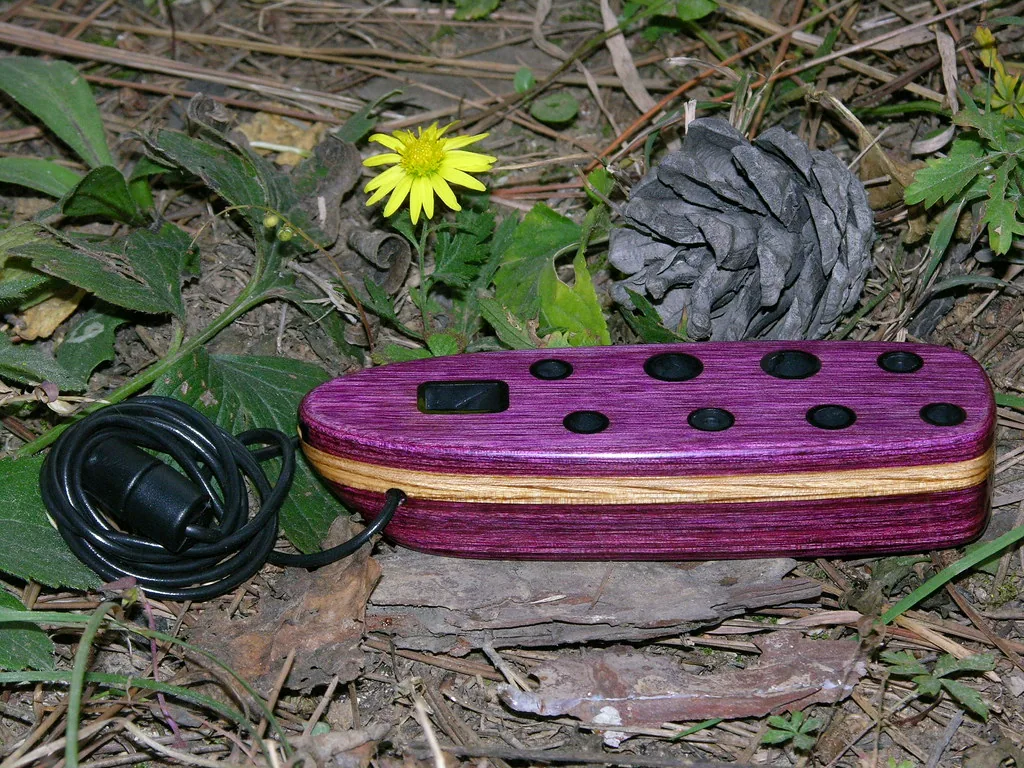
Before buying online, check whether a demonstration video is available. Listening for accurate tuning and tonal color can help you rule out many defective models.
- Favor specialist retailers and established makers such as Musique de Terre or STL.
- Look for a return policy offering at least 14 days to protect your purchase.
- Be wary of prices that seem too low: they often indicate poor quality and fragile materials.
“Choosing a transparent seller and a guaranteed instrument helps you avoid disappointment and the need to consult a luthier.”
This brief guide recommends listening to the sound, checking the position of the holes and choosing reputable sellers for a worry-free purchase.
Budget and market realities for wooden instruments
Today’s market makes it important to assess your budget carefully before considering a premium model.
Investing in quality
Price and justification: prices for wooden models in France generally start above €200. This reflects the selection of the wood, hand finishing and tuning performed by instrument makers.
For beginners, a sturdy ceramic model remains affordable at around €35 to €60. Plastic provides an even more economical and durable alternative for travel.
- Plan to upgrade after six to 24 months if you make progress.
- Quality can be judged by stability in changing humidity and note accuracy across the entire range.
- A simple, reliable model is better than an expensive decorative object that is poorly tuned.
“A well-made instrument remains a lasting investment when properly maintained.”
In short, match your budget to your goals: inexpensive options for trying the instrument and precious-wood models for long-term playing.
Essential techniques for a confident start
A structured 30-day learning program makes it easier to acquire the musical fundamentals.
Day by day, practice fundamental scales to develop finger dexterity over the holes. Begin slowly, then increase your speed once your finger placement remains accurate.
Breath mastery relies on diaphragm control. Breathe calmly and avoid excessive pressure to produce clear, stable notes.
Use online tutorials to correct your hand position and fingerings. Learning simple pieces helps maintain motivation and develops your melodic phrasing.
“Consistency matters most: a few minutes each day are enough to stabilize your sound.”
- Exercises: sustained notes and ascending and descending scales.
- Techniques: tongue articulation to shape the rhythm of musical phrases.
- Program: 30 days of daily progression with weekly review.
| Goal | Daily duration | Key exercise |
|---|---|---|
| Breathing | 5 min | Long notes, diaphragm control |
| Dexterity | 10 min | Twelve-hole scales, alternating fingers |
| Musicality | 10 min | Learning a simple piece |
For a comparison of models and materials, read this dedicated model comparison. It will help you choose your first ocarina with a clear understanding of the available options.
Daily maintenance routine for preserving the wood
Protecting this natural material requires only a few simple steps after each session.
Cleaning after every session
After each playing session, wipe the exterior with a soft cloth to remove moisture. Gently clean the mouthpiece and holes to prevent deposits that could affect the sound.
Never soak your instrument in water: prolonged contact makes the wood swell and throws the tuning out.
Recommended products
Apply natural oil or wax every four to 12 months, depending on use, to condition the wood. This routine prevents cracks caused by dryness and maintains sound quality.
Always keep your instrument in a hard case, away from heat sources and fluctuations in humidity. Regular maintenance ensures that your ocarinas remain reliable and harmonious.
“Simple, regular maintenance extends the instrument’s life and protects its intonation.”
- Wipe the surfaces and holes daily.
- Apply oil or wax every four to 12 months.
- Store it in a hard case away from heat.
Humidity management and long-term storage
The climatic conditions surrounding your ocarina directly affect its stability and tuning.
Aim for relative humidity of 45% to 55% when storing a wooden instrument. This range limits the risk of cracks or swelling that could deform the sound chambers.
Place a hygrometer in the room where you keep your ocarinas. It will help you detect changes quickly and adjust the humidity before the material is damaged.
Avoid radiators and direct sunlight. These heat sources dry the wood too quickly and accelerate aging.
For long-term storage, keep the instrument in a hard case with a desiccant packet. This helps stabilize the internal environment and preserve the tuning.
“Careful humidity management prevents deformation and extends the life of your instrument.”
- Monitor room humidity with a hygrometer.
- Avoid heat and sunlight.
- Store the instrument in a hard case with internal protection.
| Risk | Recommended humidity | Action |
|---|---|---|
| Cracking | 45% to 55% | Add a humidifier if the air is too dry |
| Swelling | 45% to 55% | Use a desiccant if the air is too humid |
| Deformation | 45% to 55% | Store in a hard case and monitor regularly |
Warning signs and specialist maintenance
The first signs of wear are not always visible to the naked eye; you need to learn how to detect them.
Watch for hairline cracks, a warped mouthpiece or a persistent musty smell. These symptoms compromise note accuracy and fingering response.
When to consult an instrument maker
Consult a specialist if the tuning changes significantly despite regular maintenance. Models from major makers such as Hind, Spencer or Musique de Terre may also require professional repair.
Specialist maintenance can often restore sound quality after extreme climatic variations. Greasy or obstructed holes sometimes require professional cleaning.
Before paying for an intervention, record a short demonstration video. It can help distinguish a playing-technique issue from a structural defect.
- Hairline cracks, a warped mouthpiece or a persistent odor: consult an instrument maker.
- Dirty holes: professional cleaning can restore a good sound response.
- If a musty smell develops, let the instrument air-dry several times before deciding whether professional attention is needed.
“An inspection every six months extends the life of your instrument and protects its tuning.”
Conclusion
In conclusion, remember that choosing an instrument means balancing your musical goals with technical constraints.
This guide helps you compare the different types of ocarina—ceramic, plastic and wooden—according to your budget and expectations. A twelve-hole alto model in C remains the best first ocarina for beginners.
Check the quality, tuning and stability of the notes before buying. Test the range and how the instrument feels in your hands to ensure comfortable playing.
With regular practice, simple maintenance and reliable makers, you will enjoy a rich musical experience. This guide gives you the knowledge needed to make the right choice and begin with confidence.