


Mastering an instrument like the piano is a dream for many people. The time required varies depending on your pace, method, and commitment. This article provides practical benchmarks to help you succeed.
Some programs, such as Hello Virtuoso, enable students to play eight pieces in 12 weeks. With consistent practice, you can learn your first simple piece in one week.
For recreational playing, allow about a year. Virtuosity, however, requires several years of practice. The key is to progress at your own pace and enjoy every stage.
Introduction: Understanding the Piano-Learning Timeline
Every pianist’s journey is unique, as is the time needed to progress. Contrary to popular belief, there is no magic formula. Your pace depends on your commitment, your method, and even your goals.
Why There Is No Single Answer
One study suggests that 90% of adults quit without a structured method. Yet programs such as Hello Virtuoso show that, with a clear framework, learning eight pieces in 12 weeks is achievable.
There are many variables:
- Your ambitions (simple pieces, reading sheet music, or improvising).
- Your consistency (10 minutes a day is enough to get started).
- Your age or previous musical experience.
The quality of the piano you purchase also matters. On this subject, it is worth consulting this piano guide, which discusses models currently available at accessible price points.
How to Set Realistic Goals
One 45-year-old student mastered Clair de lune in a month by practicing for 30 minutes every day. Her secret? Clear milestones and a piece suited to her ability.
For a beginner, a typical progression might look like this:
- First simple piece: 1 to 2 weeks.
- Reading simple sheet music: 3 to 6 months.
- Improvisation: 1 year or more.
The key is to celebrate every small victory. With these tips, you will make better use of your time and avoid becoming discouraged.
Factors That Influence Your Progress at the Piano
Your progress at the piano depends on several key factors. Each one affects how quickly you reach your goals. Identifying these factors will help you make your practice more effective.
Your Starting Level and Goals
A beginner will learn a simple piece faster than a complex one. Your ambitions determine how many hours of practice you need. For example, playing for pleasure requires less rigor than preparing for a concert.
The Frequency and Quality of Your Practice
Twelve weeks can be enough to build a solid foundation when practicing for 10 minutes a day. Three short 10-minute sessions are more effective than one hour-long session each week. Consistency matters more than duration.
Your Learning Method
A piano teacher can accelerate your progress by 63%. Their feedback helps correct your posture and fingering, preventing bad habits. Here is a comparison of the options:
- Self-directed learning: 45% quit rate (without structure).
- Online piano lessons: moderate flexibility.
- Traditional method: personalized guidance.
Choose according to your availability and budget. Hybrid piano lessons combining an app and a teacher offer a good balance.
How Long Does It Take to Learn Piano? Key Milestones
Learning piano happens in stages, each at its own pace. Identifying these milestones helps you measure your progress and stay motivated.
Playing Your First Simple Piece
With a suitable method, a first piece such as “Happy Birthday” is within reach in one week. The key? Practice it in sections of two to four measures.
- Day 7: memorize the right-hand part.
- Day 14: add the left hand while playing slowly.
- Day 21: gradually increase the tempo.
Mastering Several Simple Songs
In 12 weeks, you can learn five to eight simple pieces. Programs such as flowkey recommend 20 minutes a day, five days a week.
“Clair de lune” can become playable in four weeks with focused exercises.
Developing Solid Technique
Technical fundamentals, such as scales and chords, require three months of regular practice. Focus on these exercises:
- Hand independence: 5 minutes per session.
- Learn music theory in stages (treble clef first).
- Major scales: one per week.
You can reach an intermediate level in one year with this routine.
Learning Your First Piece: Timelines and Tips
Playing a complete melody is a motivating milestone. With the right advice, you can reach this goal quickly, even without previous experience.
Can You Play a Piece in the First Week?
Of course—it is possible! Songs such as “Happy Birthday” can be learned in three to seven days with a suitable method. The secret?
- Practice in two-measure fragments
- Use a metronome (50 to 60 BPM)
- Practice for 15 minutes each day
“I learned ‘Happy Birthday’ in three days by following these tips!” — Marie, 28
How to Choose a Beginner-Friendly Piece
Your first piece should meet these criteria:
- Slow tempo (under 80 BPM)
- Predominantly played by the right hand
- Simple chords (C, G, A minor)
- Repetitive structure
- Familiar melody
For example, “Amazing Grace” and “Take Me Home, Country Roads” are excellent pieces when you are starting to play. Avoid using the pedal and pay attention to your posture from the outset.
Mastering Several Songs: How Long Should You Allow?
Progressing at the piano involves learning several pieces. The speed of your progress will depend on your consistency and the way you structure your sessions.

How Your Learning Speed Develops
A beginner takes about one month to master a first song. After three months of practice, that time can fall to one day for simple pieces.
Here is a typical progression curve:
- Months 1 to 3: one piece per month
- Months 4 to 6: one piece every two weeks
- From month 7 onward: one piece per week
The “twin pieces” method speeds up the process: learn two similar songs at the same time to strengthen your muscle memory.
Why the Difficulty of a Piece Matters
The time you need varies by musical style. Popular music often uses four chords found in 75% of pop songs, while classical music is more demanding.
| Style | Difficulty | Average Time |
|---|---|---|
| Pop | Easy | 1 to 2 weeks |
| Jazz | Intermediate | 3 to 4 weeks |
| Classical | Advanced | 1 to 2 months |
To diversify your repertoire without making it harder, transpose your favorite pieces into different keys. Record yourself regularly to measure your progress.
“After six months of lessons, I can play three new songs a month with ease.” — Luc, 34
Developing Good Piano Technique
Fluid piano playing comes from focused exercises. Solid technique allows you to play more accurately and with less fatigue. Here is how to develop it effectively.
Essential Exercises to Practice
A good program includes these key elements:
- Suitable Hanon or Czerny exercises (5 minutes a day)
- Scales with a metronome (start at 60 BPM)
- Wrist warm-ups (2 minutes before each session)
Hand position is crucial. Imagine holding an apple to keep your hands naturally rounded. Your teacher can correct your posture if necessary.
How Long It Takes to Develop Fluency
Here is a realistic overview of the progress you can expect:
| Exercise | At the Beginning | After 3 Months |
|---|---|---|
| Major scales | 60 BPM | 90 BPM |
| Arpeggios | 1 hand | 2 hands coordinated |
| Octaves | Slow playing | Fluid playing |
“With 10 minutes of technical exercises a day, I doubled my speed in 12 weeks.” — Pierre, student
Devote 15% to 20% of your practice time to these exercises. For example, 10 minutes is enough during a one-hour session. The results will come sooner than you think!
Learning to Play with Both Hands: The Main Challenge
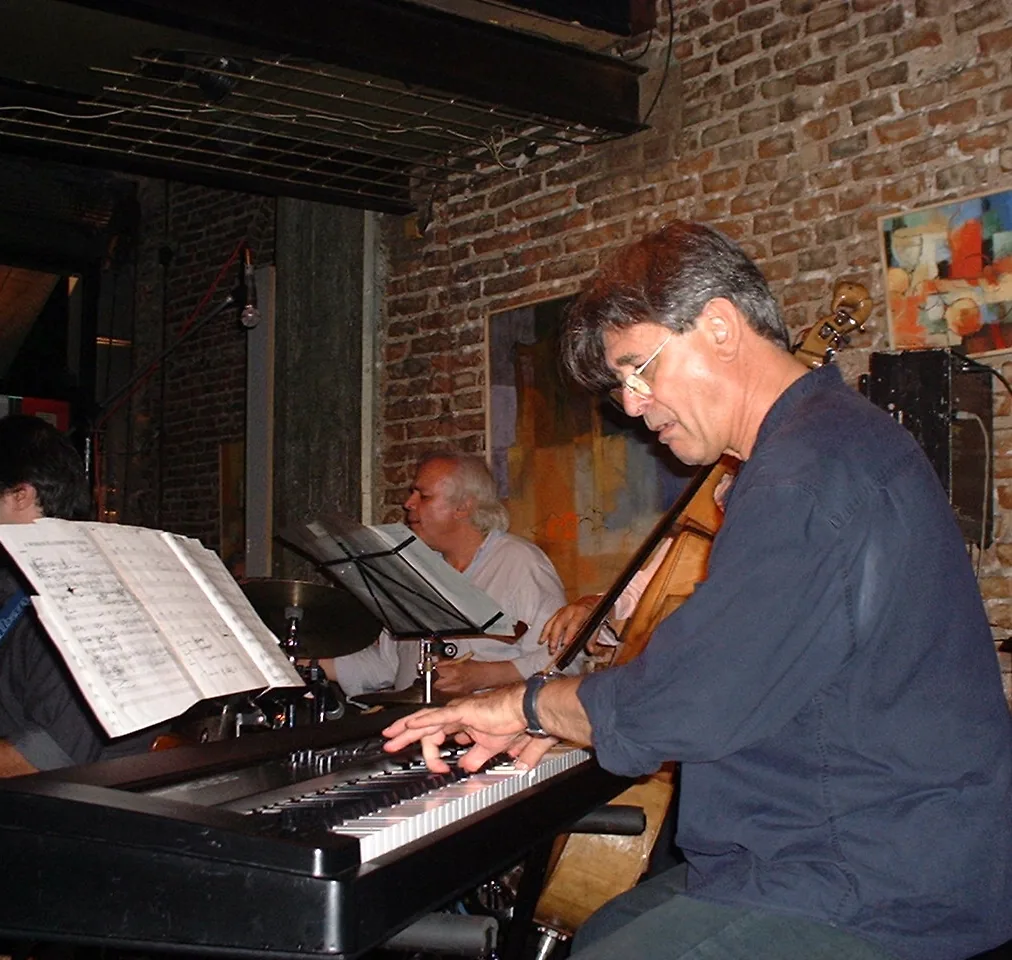
Coordinating both hands at the piano is often the first major difficulty students encounter. This stage requires patience and a methodical approach, but the results are worth the effort.
Why This Stage Takes Time
Our brain processes each hand separately. A neuroscience study suggests that coordination requires the creation of new neural connections. This is why developing satisfactory hand independence often takes six months.
These factors make the process challenging:
- The right and left hands often have different roles
- The rhythm may differ between the hands
- Reading two staves simultaneously requires practice
“It took me four months to play ‘Für Elise’ correctly. The left-hand part gave me a lot of trouble!” — Sophie, 32
Exercises for Developing Hand Independence
Several effective methods can help you progress. The “ghost hand” technique is particularly useful: play normally with one hand while lightly touching the keys with the other.
Other practical tips:
- Begin with exercises in the C position
- Alternate simple rhythms (quarter notes and eighth notes)
- Practice each hand separately before playing them together
- Gradually increase the difficulty
| Exercise | Duration | Results |
|---|---|---|
| Scales with alternating hands | 5 min/day | Better coordination in 3 weeks |
| Asymmetrical rhythms | 10 min/day | Independence after 2 months |
| Pieces broken into sections | 15 min/day | Fluency in 6 months |
For beginner pianists, starting with simple melodies such as “Frère Jacques” is a good way to become comfortable using both hands simultaneously.
Reading Sheet Music: A Valuable Skill
Deciphering sheet music opens up a world of musical possibilities. This skill gives you access to a wider repertoire and greater independence. Let us see how to develop it effectively.
Is Music Theory Essential?
Contrary to popular belief, there are several ways to read music. Traditional music theory remains the standard, but alternative approaches can also produce results.
Here is a comparison of the approaches:
- Syllabic notation (do-re-mi): ideal for classical lessons
- Numbered notation (1-2-3): useful for chords
- Color-coded notation: visual and engaging
“I learned to read music in six weeks by using flash cards for 15 minutes a day.” — Émilie, 29
How Long It Takes to Read Simple Sheet Music
With regular practice, three months is enough to master the basics. Focus first on the two main clefs:
- Treble clef (right hand)
- Bass clef (left hand)
Digital tools can accelerate learning. Apps such as Simply Piano provide interactive exercises. To progress, try transcribing your favorite pieces into musical notation.
| Method | Benefit | Results |
|---|---|---|
| Flash cards | Rapid memorization | 2 weeks |
| Interactive apps | Immediate feedback | 1 month |
| Private lessons | Personalized corrections | 3 months |
Your level will improve quickly if you combine theory and practice. Alternate between reading sheet music and playing the piano for well-rounded progress.
Playing by Ear: Is It Within Reach for Beginners?
Reproducing a melody without sheet music may seem magical, but it is a skill you can learn. Contrary to popular belief, this way of playing music is not reserved for virtuosos. With the right exercises, anyone can do it.
The Average Time Needed to Develop This Skill
It takes about six months to learn to play a pop standard by ear. This timeline varies according to your consistency and method. Here is a typical progression:
- Month 1: recognize simple intervals (thirds and fifths).
- Month 3: identify major and minor chords.
- Month 6: reproduce a song in 10 minutes.
“I learned to play ‘Imagine’ in four months by training for 15 minutes every day.” — Thomas, 27
Exercises for Training Your Musical Ear
Here are some effective techniques for progressing quickly:
- Interval games: guess whether an interval is major or minor.
- Reverse analysis: analyze familiar pieces note by note.
- Slowed-down recordings: break down complex melodies.
| Exercise | Frequency | Noticeable Results |
|---|---|---|
| Chord identification | 5 min/day | 2 weeks |
| Call and response | 10 min/day | 1 month |
| Simple transcription | 15 min/day | 3 months |
Online lessons or sessions with a teacher can accelerate your progress. The key is to practice a little every day to achieve lasting results.
Your Ideal Practice Routine
Did you know that five short sessions are better than one long one? One study suggests that 20 minutes of daily practice produces a 90% retention rate, compared with 60% for one intensive weekly session.
The Optimal Practice-Session Length
The brain retains information better during short sessions. Here is how to organize them:
- 25 minutes: the ideal duration (Pomodoro method)
- A 5-minute break between blocks
- 3 × 15 minutes > 1 continuous hour
“Since I started practicing for 25 minutes each day, my progress has doubled in one month.” — Clara, 31
Recommended Frequency for Rapid Progress
Consistency matters more than intensity. Here is a sample program:
| Level | Sessions per Week | Total Duration |
|---|---|---|
| Beginner | 5 times | 2 hours 30 minutes |
| Intermediate | 6 times | 3 hours |
| Advanced | 7 times | 4 hours or more |
Tips for busy schedules:
- Alternate between technique and pieces
- Use a habit-tracking tool
- Write down three SMART goals per week
This method delivers noticeable progress in less than a month. Consistency—not perfection—is what matters.
Conclusion: Your Personalized Piano Journey
Your musical journey is unique. Whether you are aiming for a recreational level or professional proficiency, every stage matters. This guide gives you the tools to progress more quickly.
Summary of typical timelines:
- 1 week: first simple piece
- 3 months: reading simple sheet music
- 1 year: solid technique
To stay motivated:
- Set monthly goals
- Celebrate every improvement
- Share your videos on social media
Our favorite resources:
- Apps: Simply Piano, flowkey
- YouTube channels: PianoTube, La Pianiste
- Online piano lessons: Hello Virtuoso
Of course, enjoying yourself is what matters most. Your journey toward mastery begins now. Take your place at the keyboard!