
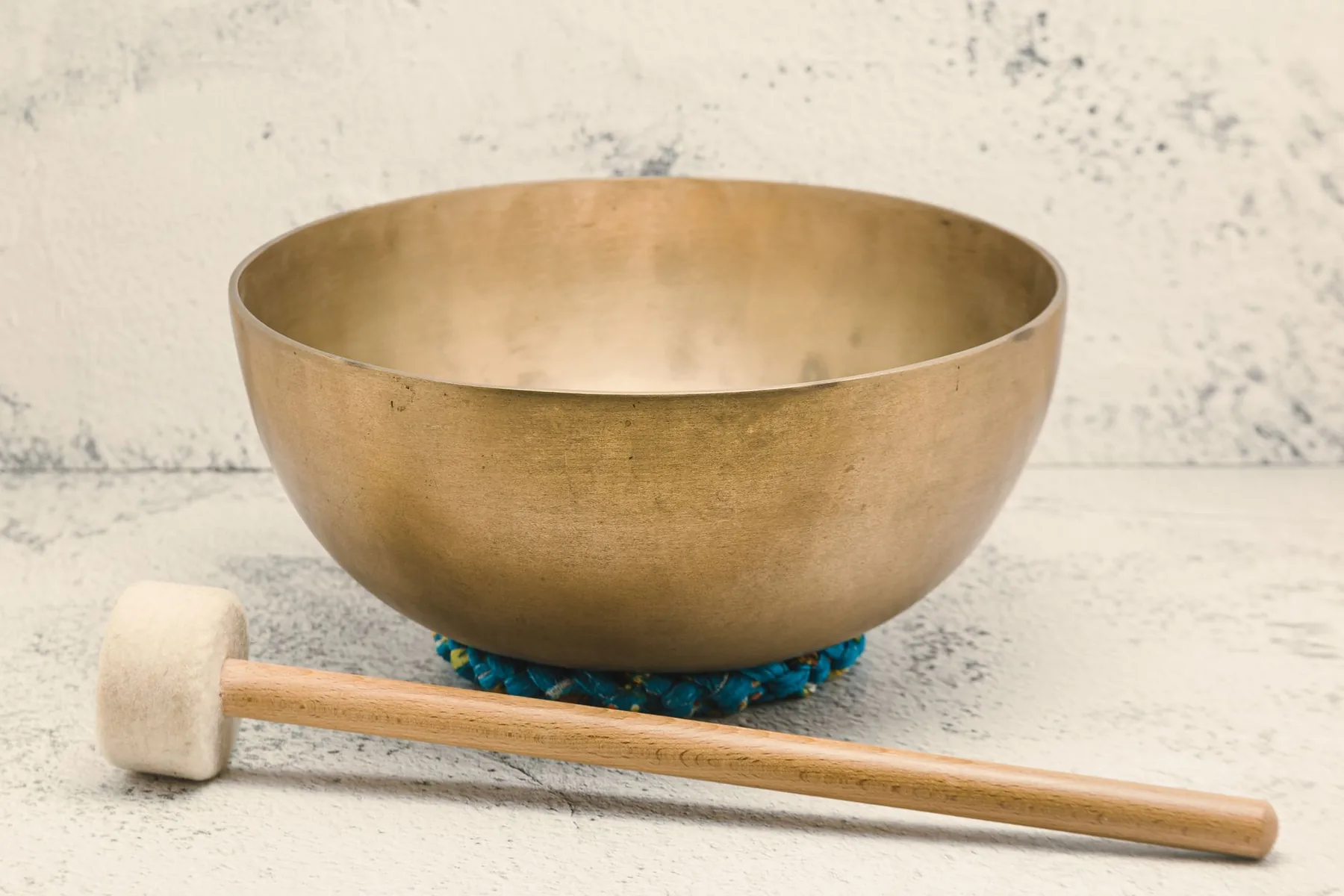

The Tibetan singing bowl, also known as a singing bowl, is an ancient instrument said to date back to 5,000 BCE. Used by Himalayan shamans, it is traditionally made from seven metals, each associated with a specific planet. This unique combination gives the bowl exceptional vibrational properties.
Today, this ancestral tool is widely used to promote meditation and well-being. Its soothing sound vibrations act directly on the body, particularly the stomach, helping to release tension and improve digestion. The effects are often immediate, reducing stress and encouraging deep relaxation.
Whether you are a beginner or an experienced practitioner, discovering this instrument can transform your approach to relaxation and energy balance.
Introduction to Tibetan singing bowls
For millennia, these distinctive instruments have played a central role in spiritual and therapeutic practices. Their handcrafted construction and symbolism make them unique objects in human history.
What is a Tibetan singing bowl?
A Tibetan singing bowl is an object traditionally made in the Tibetan cultural region, which includes Tibet, Nepal and Bhutan. Composed of seven metals, each associated with a planet, it is designed to produce soothing sound vibrations.
These bowls are often used for meditation, relaxation and healing. Their unique sound acts on the nervous system, fostering a state of deep calm.
Origins and history of singing bowls
Tibetan singing bowls are said to have a rich history stretching back more than 5,000 years. Initially used as kitchen utensils, they evolved into spiritual and therapeutic tools.
Their traditional alchemical composition includes metals such as gold, silver and iron. Some ancient bowls were even said to contain fragments of meteorites, adding a cosmic dimension to their manufacture.
| Metal | Associated planet |
|---|---|
| Gold | Sun |
| Silver | Moon |
| Iron | Mars |
In Buddhism and the Bön shamanic tradition, these bowls are regarded as sacred instruments. They symbolize harmony between the Earth and the cosmos, while their modern therapeutic use continues to transform lives.
Why use a Tibetan singing bowl on your stomach?
The sound vibrations of Tibetan singing bowls are believed to offer unique benefits for the body and mind. They resonate deeply, encouraging relaxation and energy balance. This ancestral practice is now also being explored in modern scientific studies.
Benefits for the body and mind
The purported benefits of Tibetan singing bowls are numerous. A 2016 study conducted in San Diego found that a singing-bowl meditation session could reduce stress and improve participants’ mood. Their vibrations may also encourage the relaxed mental state associated with alpha brain waves.
These instruments may also stimulate the parasympathetic nervous system, which is responsible for rest and recovery. Practitioners often report better digestion and fewer sleep difficulties.
How the vibrations affect the stomach
Because the human body contains a large proportion of water, the stomach area may be particularly receptive to vibrations. Through resonance, sound waves can travel through abdominal tissues, helping to release tension and support a sense of balanced energy.
One practitioner reported a significant improvement in her digestion after a few sessions. The vibrations are also said to act on the sacral chakra in the lower abdomen, promoting overall balance.
| Effect | Description |
|---|---|
| Reduced stress | The vibrations soothe the nervous system. |
| Improved digestion | The sound waves stimulate the abdominal organs. |
| Energy balance | The vibrations harmonize the chakras. |
To learn more about the benefits of Tibetan singing bowls, read this comprehensive guide.
Preparing before use
Proper preparation is essential before you begin if you want to make the most of the experience. Taking time to gather suitable equipment and create a relaxing space helps ensure the best possible session.
Choosing the right Tibetan singing bowl
Choosing a suitable Tibetan singing bowl is crucial. Select one measuring between 12 and 25 cm in diameter, a practical size for abdominal resonance. Its thickness and musical note also play an important role.
Some practitioners prefer an intuitive method: listen to the sounds and choose the bowl that “calls” to you. Use a suitable mallet to produce the best vibrations.

Creating a suitable environment
A calm, harmonious space can make the practice more effective. Choose soft lighting and a comfortable temperature. A ring-shaped cushion can improve the acoustics.
For an even more soothing atmosphere, add incense or crystals. These complementary elements may support relaxation and concentration.
Finally, check for contraindications, such as having a pacemaker or being in the later stages of pregnancy. These tips will help you approach this ancestral practice safely.
Basic techniques for using a Tibetan singing bowl
To experience the vibrations fully, it is essential to master a few basic techniques. These methods help optimize the effects on the body and mind, especially around the abdomen.
Positioning the bowl on your stomach
Proper placement is crucial for optimal resonance. Position the instrument gently on the abdominal area, ensuring that it is stable. The best contact points are around the navel, where the vibrations can resonate deeply.
Coordinating your breathing—inhaling through your nose and exhaling through your mouth—enhances the effect of the sounds. This method encourages deep relaxation and a more balanced flow of energy.
How to make the bowl sing
There are two main ways to make the bowl sing: striking its rim and rubbing it in a circular motion. The first involves gently striking the rim with a mallet, while the second uses a continuous movement around the outer wall.
The angle of the mallet also matters. Holding it at an angle of 20 to 30° while rubbing the bowl helps produce harmonious sounds. Maintain steady pressure to sustain the resonance.
Use the wooden side for higher notes and the felt side for deeper tones. Test the resonance before beginning the full session so you can adjust your technique.
Avoid common mistakes, such as holding the mallet at the wrong angle, which can affect the quality of the sounds. With a little practice, you will quickly master these techniques and make the bowl sing effectively.
How to use a Tibetan singing bowl on your stomach: detailed steps
Follow these key steps for the best possible vibrational experience. This ancestral method is intended to release tension and harmonize the body and mind. Use the following guidance for a successful session.
Step 1: Get comfortable
Begin by lying on your back, ideally with a lumbar cushion supporting your posture. You can place a terrycloth towel beneath the instrument to keep it comfortable and stable. This position encourages relaxation and prepares your stomach to receive the vibrations.
Step 2: Place the bowl on your stomach
Gently position the instrument on your abdomen, around the navel. Make sure it is stable and in direct contact with your skin. This step is crucial for maximizing resonance and the perceived benefits.
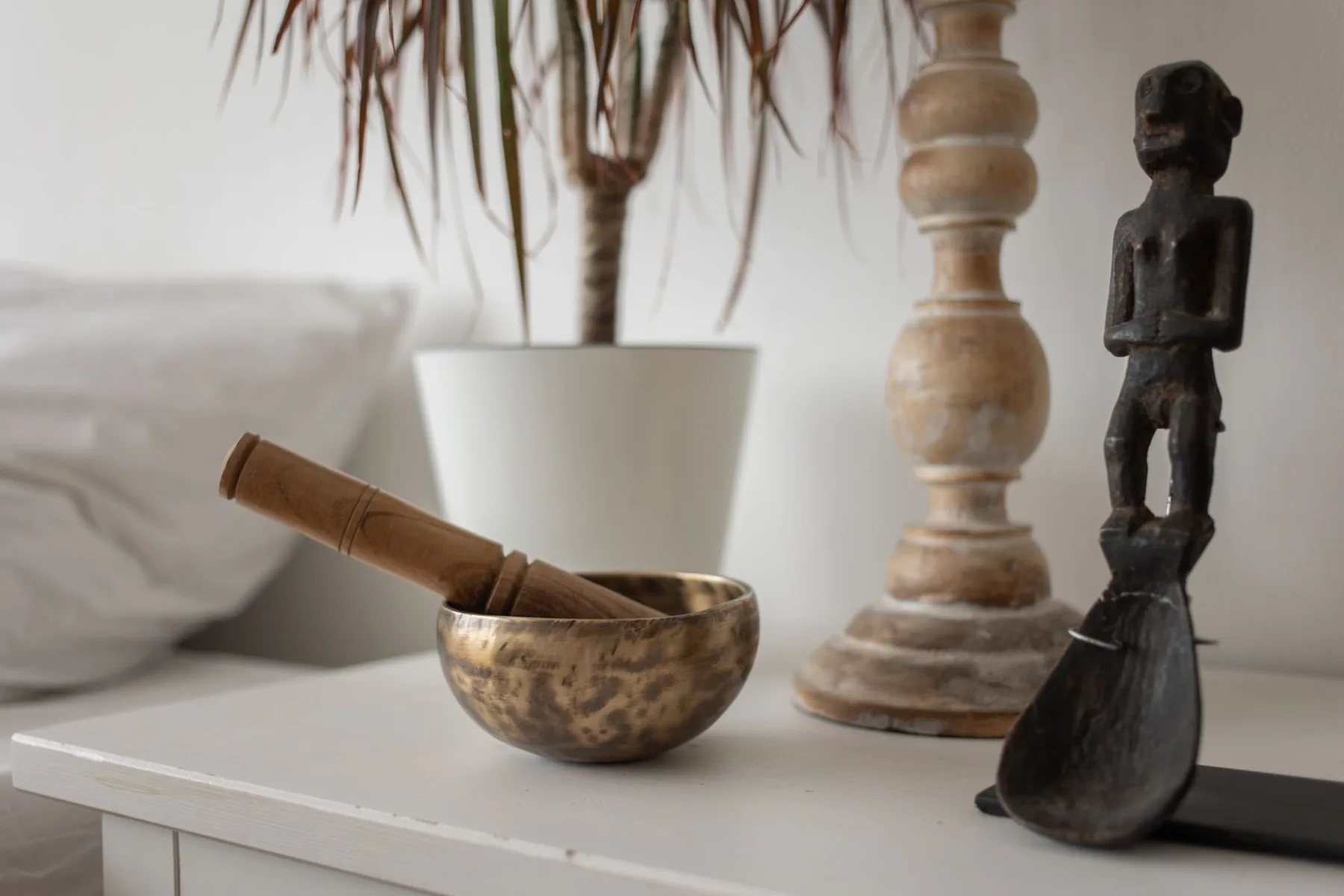
Step 3: Make the bowl sing
Use a mallet to make the instrument resonate. Gently rub it around the rim in a circular motion, maintaining an angle of 20 to 30°. The harmonious sounds are intended to resonate with key energy points in the abdomen.
Step 4: Feel the vibrations
Allow the sound waves to pass through your stomach. You may feel localized warmth or notice gurgling, which practitioners sometimes interpret as signs of energetic activation. If you are sensitive to the vibrations, limit your exposure to five minutes.
At the end of the session, cleanse the instrument energetically if this forms part of your practice. Repeated regularly, this ritual may provide lasting benefits for the body and mind.
Immediate and long-term effects
The sound vibrations of Tibetan singing bowls may produce noticeable results from the first few uses. Whether used to reduce stress or support digestion, the perceived effects can appear quickly and grow stronger with regular practice.
Reducing stress and anxiety
Some studies have found reduced tension and other markers of distress after a singing-bowl session. The vibrations act on the nervous system and may support vagal activity associated with relaxation. This sense of calm can last for several hours after the practice.
Practitioners also report reduced anxiety. The sound waves soothe the mind and encourage deep relaxation. Compared with silent meditation, this method may produce faster results for some people.
Improving digestion and overall well-being
The vibrations may stimulate the digestive organs and support bowel function. One account describes noticeably more regular digestion after just two weeks of use. Practitioners also believe that sound waves may support the gut environment and enhance overall well-being.
- First week: reduced bloating and improved digestion.
- After one month: greater energy balance and less menstrual pain.
Combined with probiotics, this practice may complement a digestive-health routine. Its possible long-term effects include better management of overall well-being and a more harmonious sense of internal energy.
Tips for maximizing the benefits
Making the most of Tibetan singing bowls requires structured, regular practice. Adding complementary practices may amplify the perceived effects of sound vibrations on the body and mind.
Combining the practice with meditation
Meditation is a powerful companion practice that can enhance the benefits of Tibetan singing bowls. During each session, visualize the vibrations traveling through your body and soothing every cell. This visualization technique deepens relaxation and encourages a profound sense of calm.
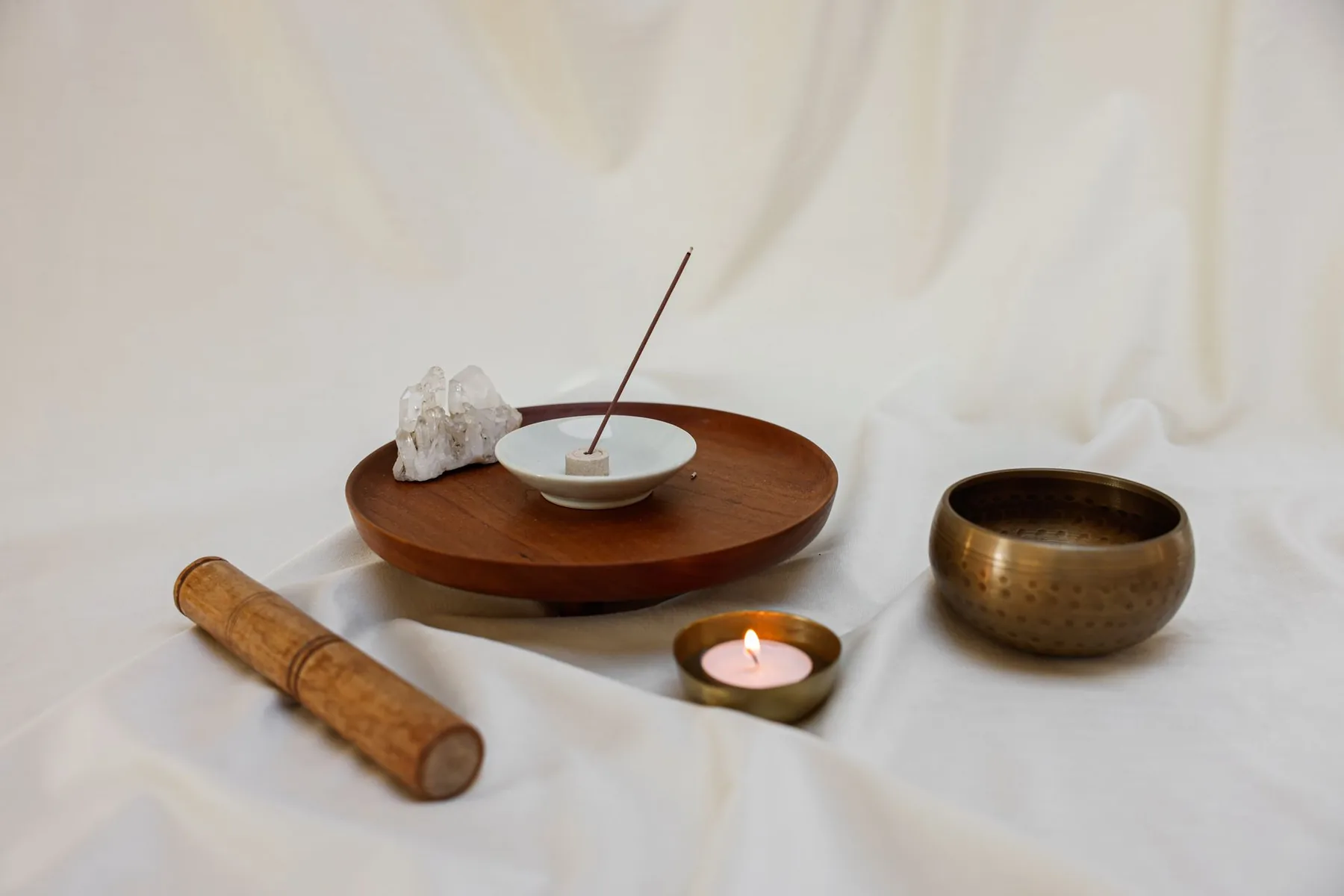
To take the practice further, combine it with quartz crystal bowls. Their purported energetic properties complement those of traditional bowls, creating an even richer experience.
Using the bowl regularly for lasting results
Regular use is essential for achieving lasting effects. Beginners can start with five 10-minute sessions each week. Over time, adjust the duration and frequency to suit your needs.
Keeping a journal will help you track your progress. Record how you feel after each session to assess changes in your well-being. This is a valuable way to stay motivated and become aware of gradual improvements.
Incorporate this practice into your daily life by combining it with other techniques, such as abdominal acupressure or a stomach-focused yoga routine. These combinations are intended to support the sacral chakra and optimize the flow of energy.
To learn more about best practices, read this comprehensive guide.
Precautions and contraindications
Using Tibetan singing bowls requires special care to ensure a safe and beneficial experience. Although these instruments are generally safe, certain health conditions and situations call for specific precautions. Here is what you should know before you begin.
When to avoid using a Tibetan singing bowl
Some people should avoid using these vibrational instruments. This includes anyone with a pacemaker or metal implant, as the vibrations could affect or cause discomfort around a medical device. Pregnant women, particularly in the later stages of pregnancy, should also exercise caution.
Children with hyperactivity may be overstimulated by the sound waves. In these cases, consult a healthcare professional before starting. Seek medical advice beforehand in the following situations:
- Heart or neurological conditions.
- Circulatory problems.
- Epilepsy or sensory disorders.
How to use the bowl safely
Follow a few simple rules to minimize risk. Make sure the instrument is stable and comfortably positioned against your body. Avoid prolonged sessions, especially if you are a beginner.
If you feel unwell during the practice, stop immediately and breathe deeply. Alternative techniques for people who cannot place the bowl directly on their body include:
- Energy work performed at a distance.
- Using quartz crystal bowls.
For hygiene, clean the instrument regularly with white vinegar, provided this is suitable for its finish. Store it in a dry place away from moisture and direct sunlight. These precautions will extend its lifespan and preserve its vibrational properties.
| Situation | Recommendation |
|---|---|
| Pacemaker or implants | Avoid use |
| Late-stage pregnancy | Seek medical advice |
| Children with hyperactivity | Reduce exposure time |
Conclusion
Exploring the benefits of sound vibrations can transform your daily routine. One user describes five years of practice and reports a marked improvement in her digestion. Experiences like this illustrate why the ancestral method remains popular, although individual results vary.
The key points to remember are that the vibrations may reduce stress, support digestion and foster deep calm. They fit naturally into a meditation routine and may thereby enhance your well-being.
Feel free to explore this practice for yourself. Choose a Tibetan singing bowl suited to your needs and attend workshops to deepen your experience. As Peter Hess says, “Vibrational healing is a journey toward inner harmony.”
To learn more about the qualities of this instrument, read this comprehensive guide.