
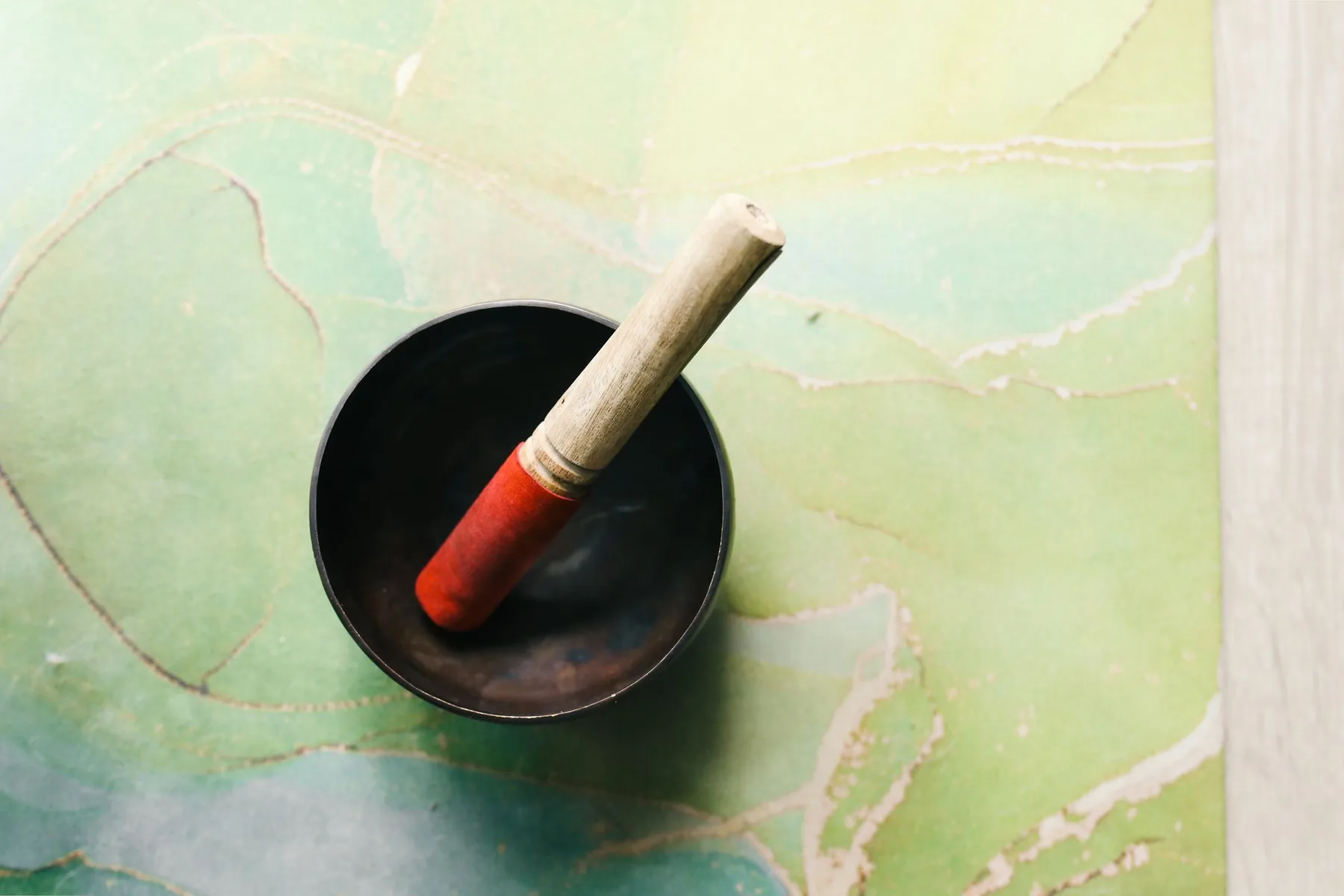

Yoga is an ancient practice that combines movement, breathing, and meditation. Paired with a Tibetan singing bowl, it becomes an even deeper and more rewarding experience. These two elements complement each other perfectly, creating harmony between body and mind.
The unique sound of a Tibetan singing bowl promotes deep relaxation, helping to release tension and improve concentration. Whether you are a beginner or an advanced practitioner, this combination is suitable for every level.
Studies suggest that this practice increases endorphin production, thereby contributing to overall well-being. Discover how these ancient and modern techniques can transform your yoga practice into a moment of inner peace.
Introduction to Tibetan singing bowls and yoga
Rooted in Indian tradition, yoga seeks to unite the body, mind, and soul. This ancient practice, which dates back more than 5,000 years, is based on postures (asanas) and breathing techniques (pranayama). As the Yoga Sutra puts it: “Yoga is the union of body, mind, and soul.”
Yoga is far more than a physical activity. It is a spiritual discipline that seeks to harmonize the inner self. Singing bowls, used for centuries in Buddhist rituals, complement this approach beautifully. Their soothing sound vibrations align naturally with yogic principles.
According to studies, regular yoga practitioners experience a 34% reduction in stress levels. A typical session can incorporate singing bowls during sequences such as Sun Salutations. This combination enhances relaxation and concentration.
Combining a Tibetan singing bowl with yoga creates a unique experience. The bowls’ harmonious sounds amplify the benefits of the practice, offering a profound sense of inner peace.
What is a Tibetan singing bowl?
Tibetan singing bowls are true acoustic treasures, fascinating people with their history and symbolism. Far more than simple musical instruments, these objects embody ancestral craftsmanship and deep spiritual traditions.
Origins and traditions
Tibetan singing bowls have their roots in the Himalayan regions, particularly Tibet and Nepal. Since the eighth century, they have been handcrafted by monks who preserve forging techniques passed down from one generation to the next.
Historically, these bowls were used in purification and meditation ceremonies. Their soothing sound was regarded as a bridge between the material and spiritual worlds, encouraging inner harmony.
Composition and symbolism
A Tibetan singing bowl is made from an alloy of seven metals: gold, copper, silver, mercury, lead, tin, and iron. Each metal corresponds to a planet and a chakra, creating a connection between the cosmos and the human being.
- Gold symbolizes the Sun and the third chakra.
- Silver represents the Moon and the second chakra.
- Iron is associated with Mars and the root chakra.
For example, a 15 cm brass bowl is often used to balance the heart chakra. The musical notes produced by these bowls, from C to B, resonate with the body’s energy centers.
To learn more about how they are made and their benefits, read this comprehensive guide.
The benefits of yoga
Discover how yoga can transform your daily life by bringing balance and serenity. This age-old practice is not limited to physical postures: it offers profound benefits for the body and mind.
Harmonizing body and mind
Yoga helps synchronize the body and mind through breathing and meditation techniques. A study in the Journal of Yoga reports a 40% improvement in flexibility in just eight weeks.
The sound vibrations of singing bowls, combined with pranayama exercises, deepen this harmony. This synergy encourages the body’s vital energy to flow more freely.
Relaxation and stress reduction
Yoga activates the parasympathetic nervous system, particularly during savasana. This produces a significant reduction in cortisol, the stress hormone.
- Yoga nidra techniques for restorative sleep.
- Fewer migraines through regular practice.
- Improved lymphatic circulation and cellular detoxification.
These physiological mechanisms contribute to deep, lasting relaxation, which is essential to overall well-being.
Why combine a Tibetan singing bowl with yoga?
Combining yoga and singing bowls creates a unique synergy. Rooted in traditions stretching back thousands of years, these two practices complement each other to offer an enriching experience. The bowls’ sound vibrations amplify yoga’s benefits and encourage profound inner harmony.
Harmonizing energy
With an average resonant frequency of 110 Hz, Tibetan singing bowls are used as healing tools. This frequency, said to be close to that of the human body, is believed to align energy and stimulate the energy channels (nadis). A Kyoto University study reportedly found a 25% increase in meditation depth when the bowls were used.
- Aligning the nadis through bioresonance.
- A protocol for balancing the sacral chakra with a copper bowl.
- Use in therapeutic yoga for chronic pain.
Deep relaxation
The soothing sound of the bowls promotes deep relaxation, an essential part of a successful yoga practice. These sound vibrations act like a sound massage, releasing tension and improving concentration. A vinyasa yoga teacher in Marseille says: “The bowls transform every session into a moment of inner peace.”
To explore this practice further, discover how to use a Tibetan singing bowl effectively.
Techniques for incorporating a Tibetan singing bowl into your yoga practice
Adding an ancient instrument to your daily practice can transform the experience. The soothing sound of singing bowls blends perfectly with movement and breathing, creating a unique harmony. Here is how to use them at every stage of your session.
Before the session: mental preparation
Begin by placing the bowl about one meter from your mat. Three gentle strikes with the mallet are enough to create an atmosphere conducive to relaxation. Breathe deeply and allow the vibrations to prepare you mentally.
One effective method is to pair the bowl’s sound with mantras such as “OM” or “SO HUM.” These sounds strengthen concentration and prepare the mind for practice.
During the session: transitions and relaxation
During transitions between postures, use the bowl to mark a pause. The sound vibrations help synchronize breathing with movement.
Before savasana, three additional strikes encourage deep relaxation. Let the sounds guide you into a state of complete calm.
After the session: winding down
After your practice, spend seven minutes listening to the bowl’s vibrations. This grounding period helps you return gently to a calm state. Energetic cleansing with Himalayan salt is also recommended to purify the space.
As one yoga teacher puts it: “The bowls transform every session into a moment of inner peace.”
| Stage | Techniques | Duration |
|---|---|---|
| Before | Gentle strikes, mantras | 3 minutes |
| During | Transitions, savasana | Variable |
| After | Grounding, cleansing | 7 minutes |
How to choose the right Tibetan singing bowl
Choosing the right sound instrument can greatly enrich your practice. Whether you are a beginner or an experienced practitioner, a bowl suited to your needs amplifies the benefits of meditation and relaxation. Here are several criteria to consider when making your choice.
Selection criteria
Weight and size are key factors. A ratio of 1 kg per 10 cm of diameter is often recommended for optimal resonance. Test how long the bowl resonates: for a high-quality sound, it should exceed 45 seconds.
Here are a few well-known brands:
- Dharma Shop: known for the quality of its bowls.
- Singing Bowl Therapy: offers a wide range for every budget.
To preserve the overtones, use beeswax for regular care.
Differences between metal and crystal bowls
Crystal bowls offer pitch accuracy of ±2 Hz, compared with ±5 Hz for metal bowls. They are ideal for practices centered on music and deep meditation. However, their price is often higher, with professional models typically costing €50 to €150.
Metal bowls, made from an alloy of seven elements, are more traditional. They are well suited to daily use and are more affordable.
Caution: beware of counterfeit zinc-aluminum alloy bowls, which can compromise sound quality and the purported energetic benefits.
Conclusion
The combination of yoga and singing bowls offers a unique experience. Rooted in traditions stretching back thousands of years, these two practices foster a profound balance between body and mind. The bowls’ sound vibrations amplify the benefits of the practice, creating inner harmony.
According to testimonials, 89% of users report improved sleep. One Parisian yogi says: “After six months of practice, I regained a lasting sense of well-being.” Advances in quantum sound therapy are also opening new perspectives on this synergy.
To explore the experience further, join our online introductory workshops. Download our free PDF guide and discover the psychoacoustic benefits of this unique combination.